
Introduction
As audio products inherently designed for voice interaction, earbuds have become a popular category for AI applications. Features such as AI-powered Q&A, AI translation, AI transcription, and summarization are rapidly being integrated into earbuds, further enhancing their value. Guangfan Technology, a company focused on developing next-generation human-computer interaction technologies, launched its AI Smart Earbuds in late 2025. The earbuds feature an innovative binocular visual perception module, while the charging case supports independent network connectivity, location awareness, identity verification, and other functions, enabling proactive AI interaction.
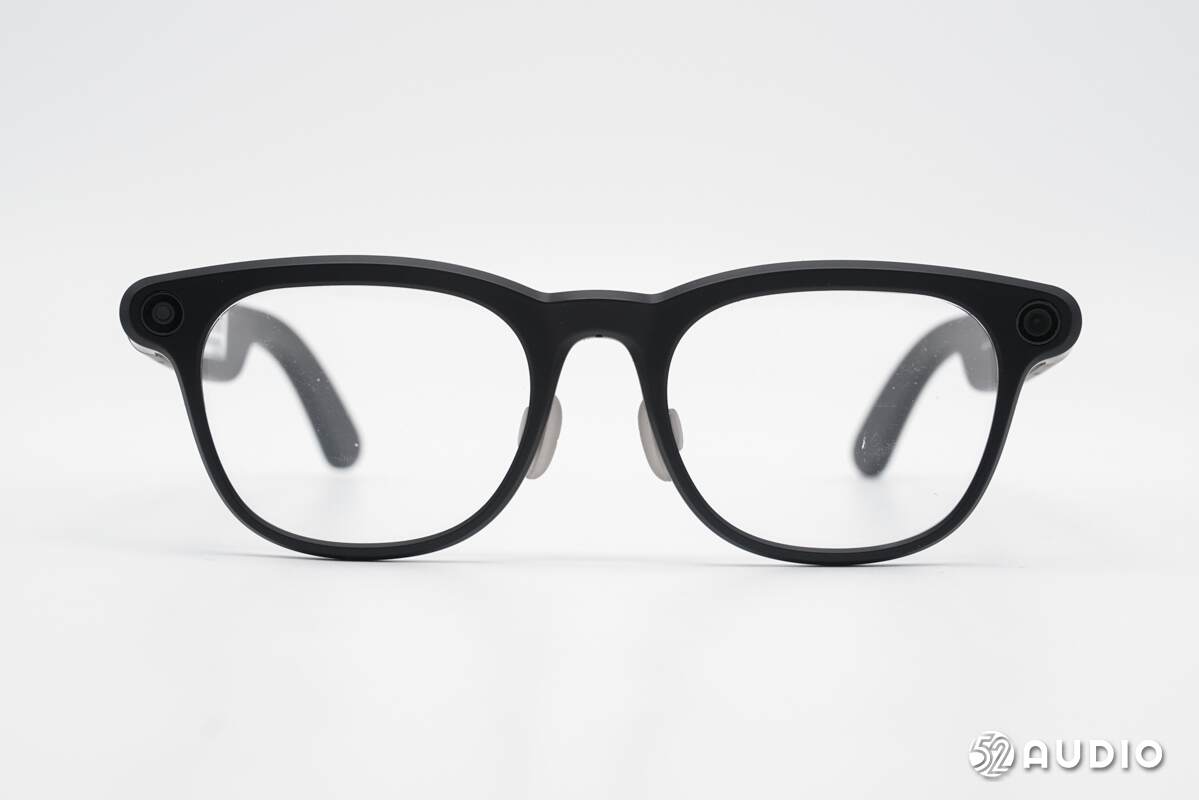
The Lightware AI Earbuds feature an open-ear design with ear hooks and a balanced weight distribution for more comfortable all-day wear. Each earbud features a 2 MP fixed-focus camera and supports rapid AI scene recognition. Combined with real-time AI visual interaction, the earbuds can explain what users see in real time. The charging case integrates a 4G eSIM communication module, microphones, GPS positioning, and fingerprint recognition, allowing the earbuds to operate independently of a smartphone.
Building on these core features, Guangfan's proprietary AI operating system coordinates services across connected devices, enabling more proactive and context-aware AI assistance. For example, the system can proactively provide contextual reminders based on visual information, GPS location, and time, or automatically add calendar events based on messages and conversations. Users can personalize the AI by customizing its personality, voice, and the name it uses to address them. Its memory capabilities allow it to become more tailored to individual users over time. In terms of battery life, the product offers approximately 9 hours of talk time and 15 hours of music playback, while the camera system can capture up to 200 images. Now, let's take a closer look at the detailed teardown.
Appearance
Unboxing the Lightware AI Earbuds
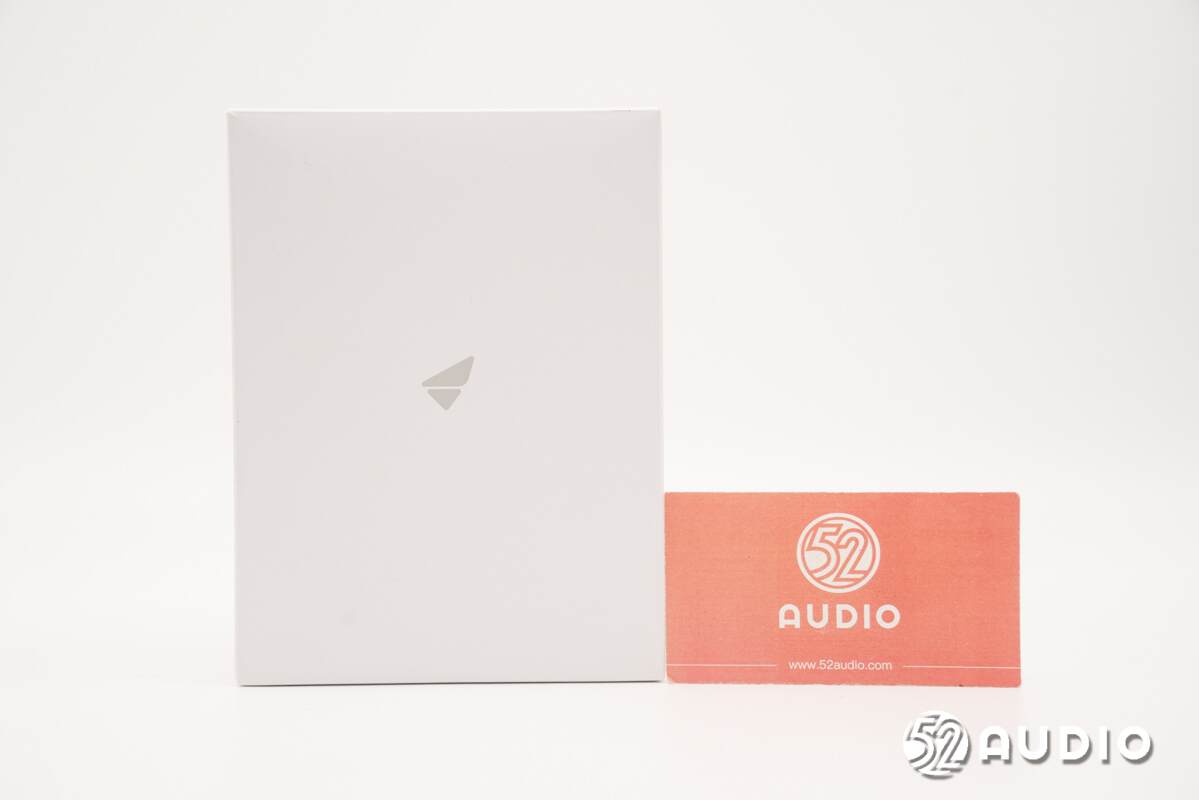
The packaging of the Lightware AI Earbuds features a minimalist design, with only the brand logo on the front.
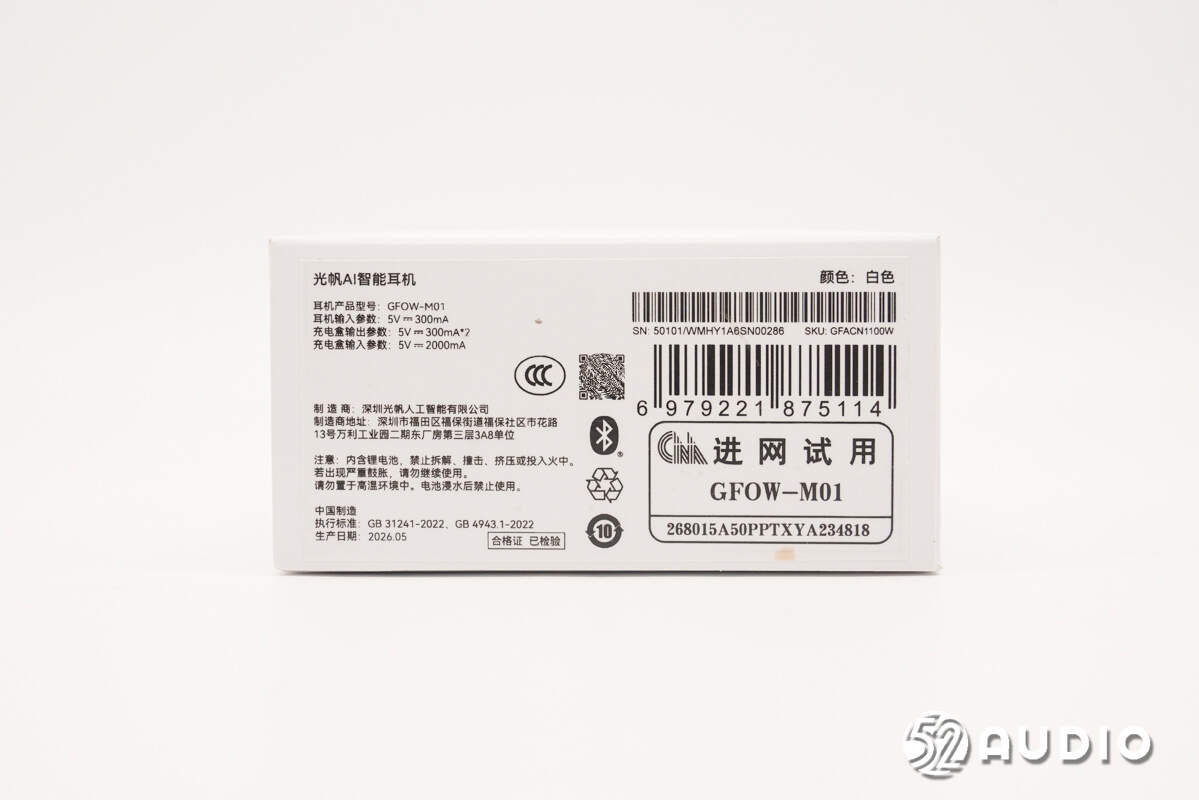
A product label is attached to the bottom of the box.
Model: GFOW-M01;
Earbud Output: 5 V ⎓ 300 mA;
Charging Case Input: 5 V ⎓ 300 mA×2;
Charging Case Input: 5 V ⎓ 2000 mA;
Color: White;
Manufacturer: Shenzhen Guangfan Artificial Intelligence Co., Ltd.
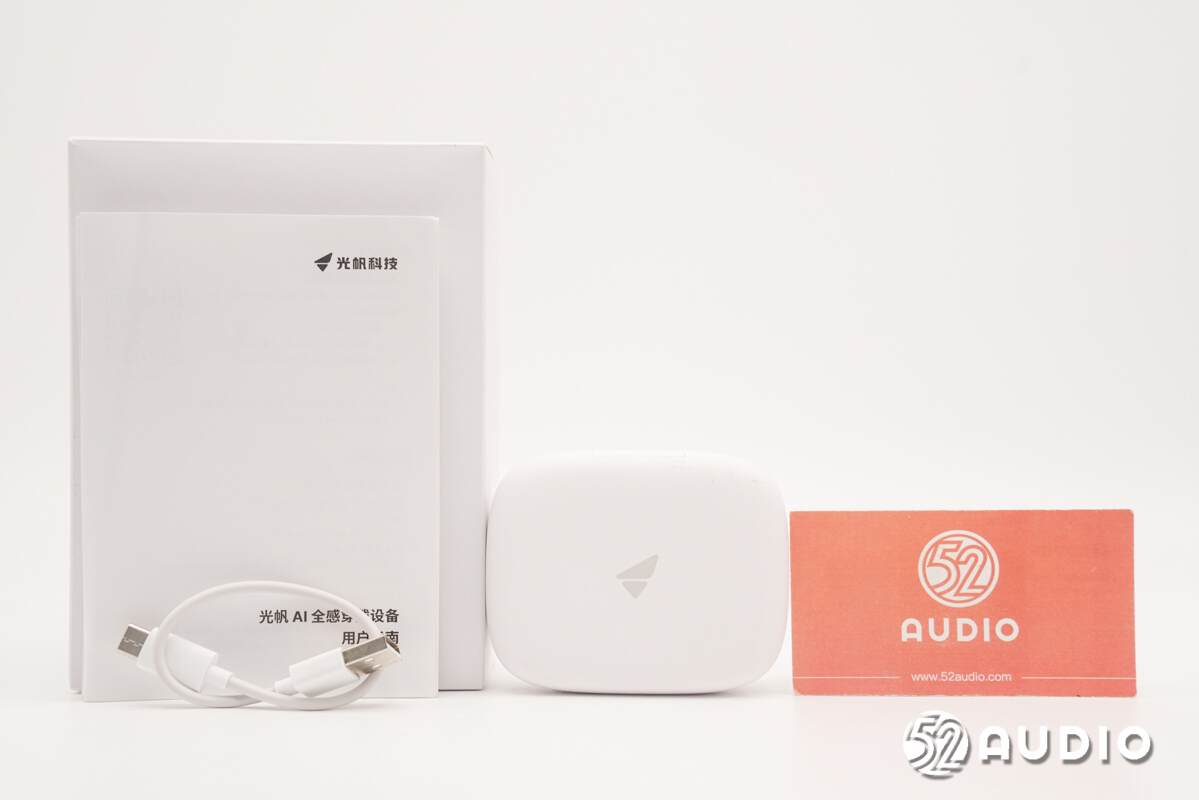
Open the box and take out all the contents, including the main unit, charging cable, and user guide.
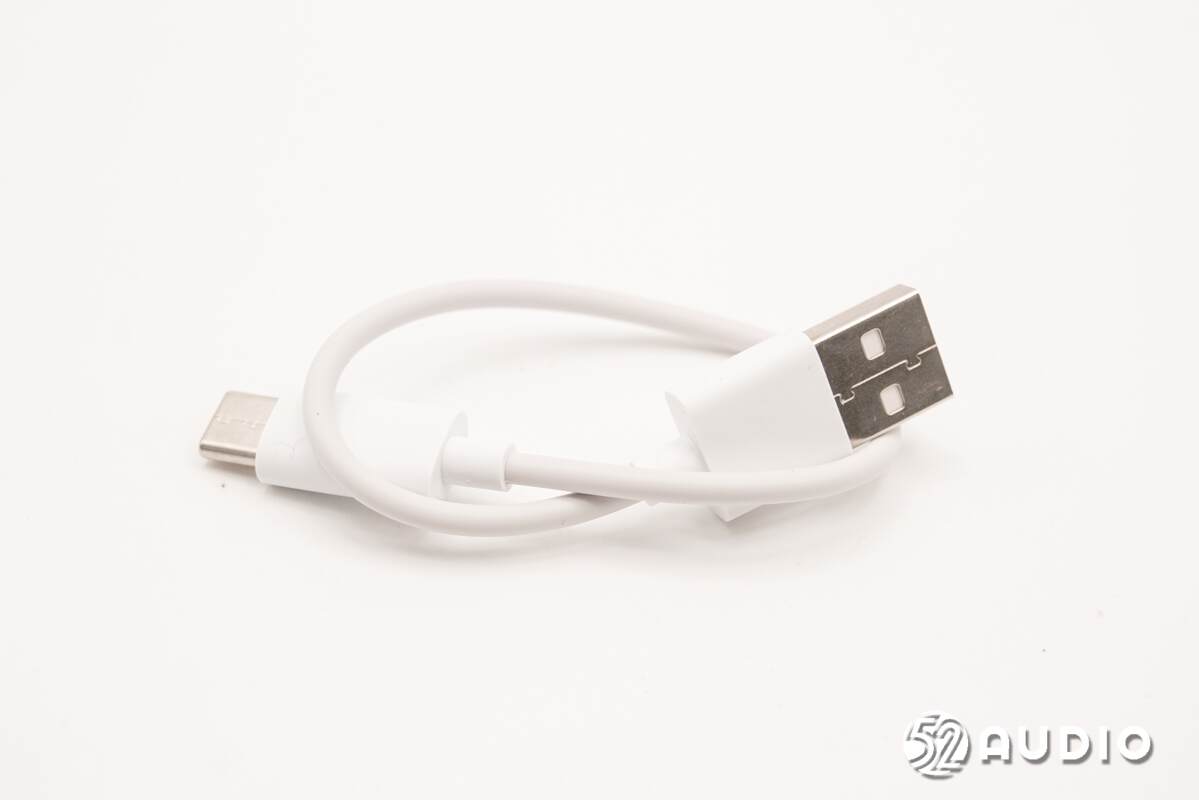
The included charging cable has a USB-A to USB-C connection.
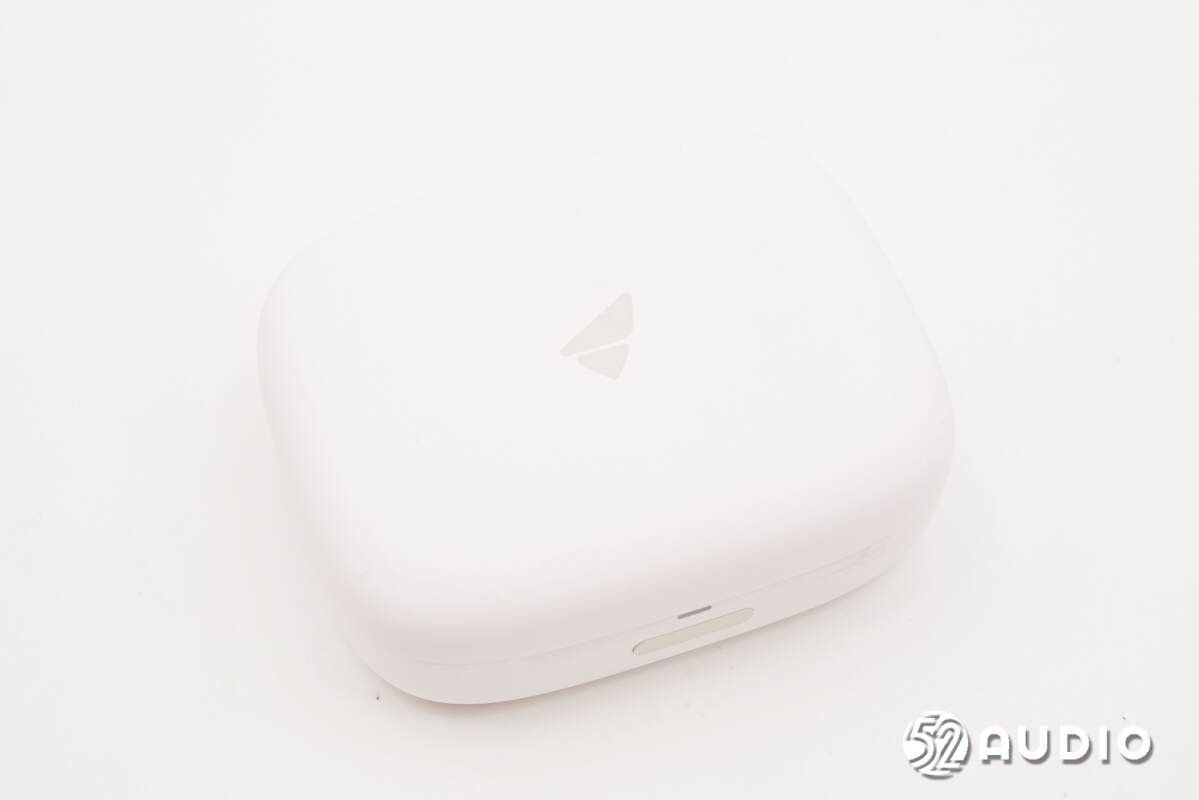
The charging case features a rounded-square design with a soft-touch matte finish. The brand logo is printed on top of the lid.
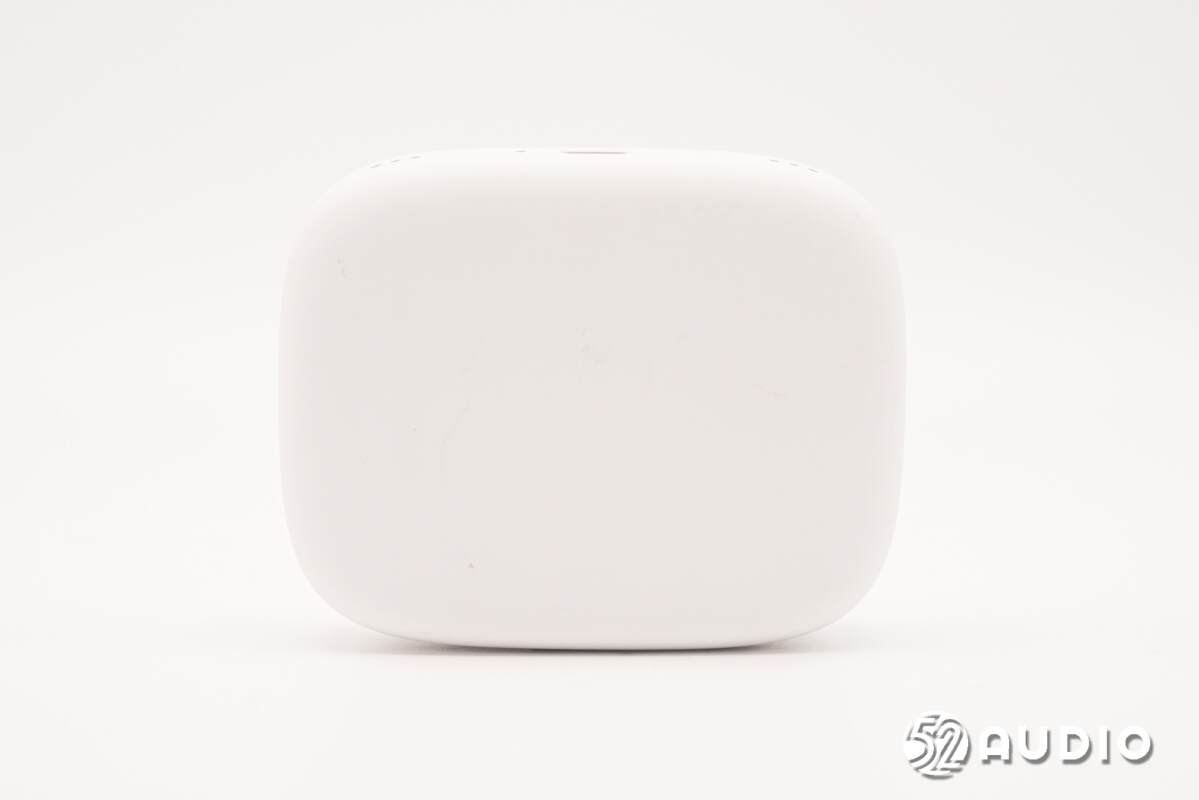
The bottom of the charging case.
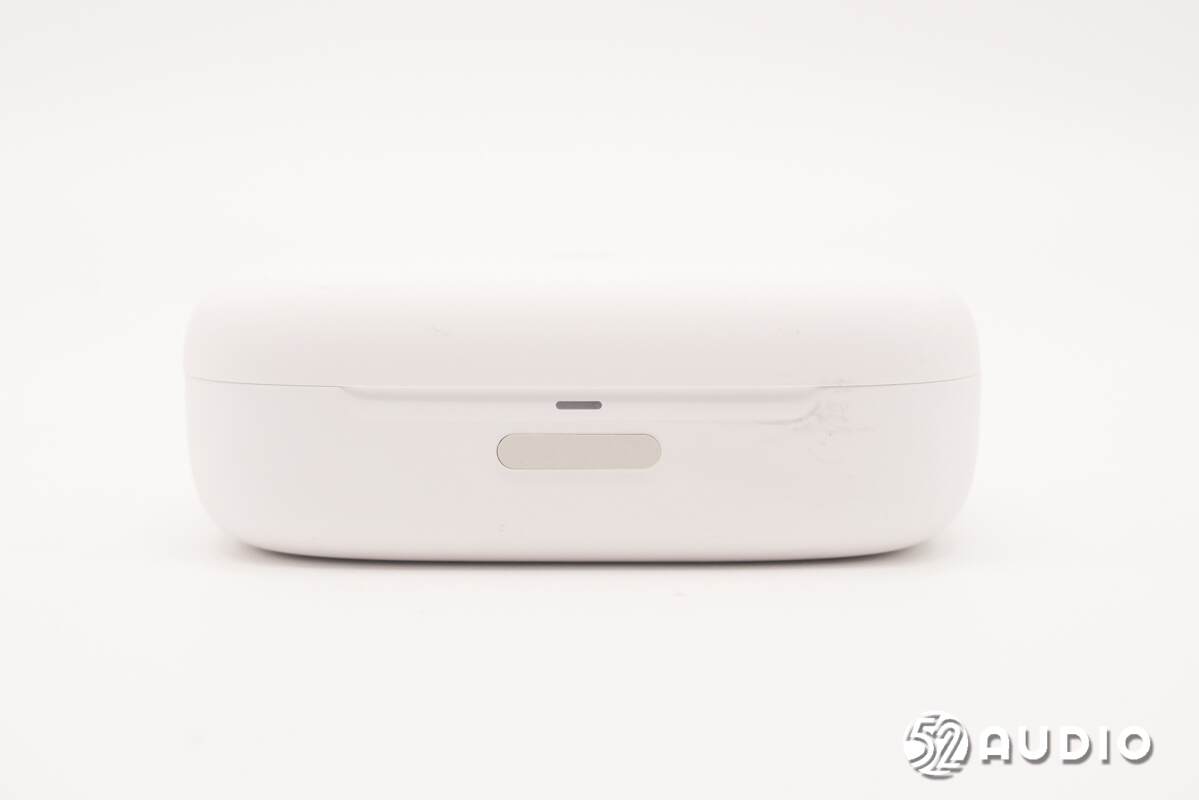
The front of the charging case features a bar-shaped indicator light and a function button. The button also integrates fingerprint recognition, helping protect personal information and enable personalized AI services.
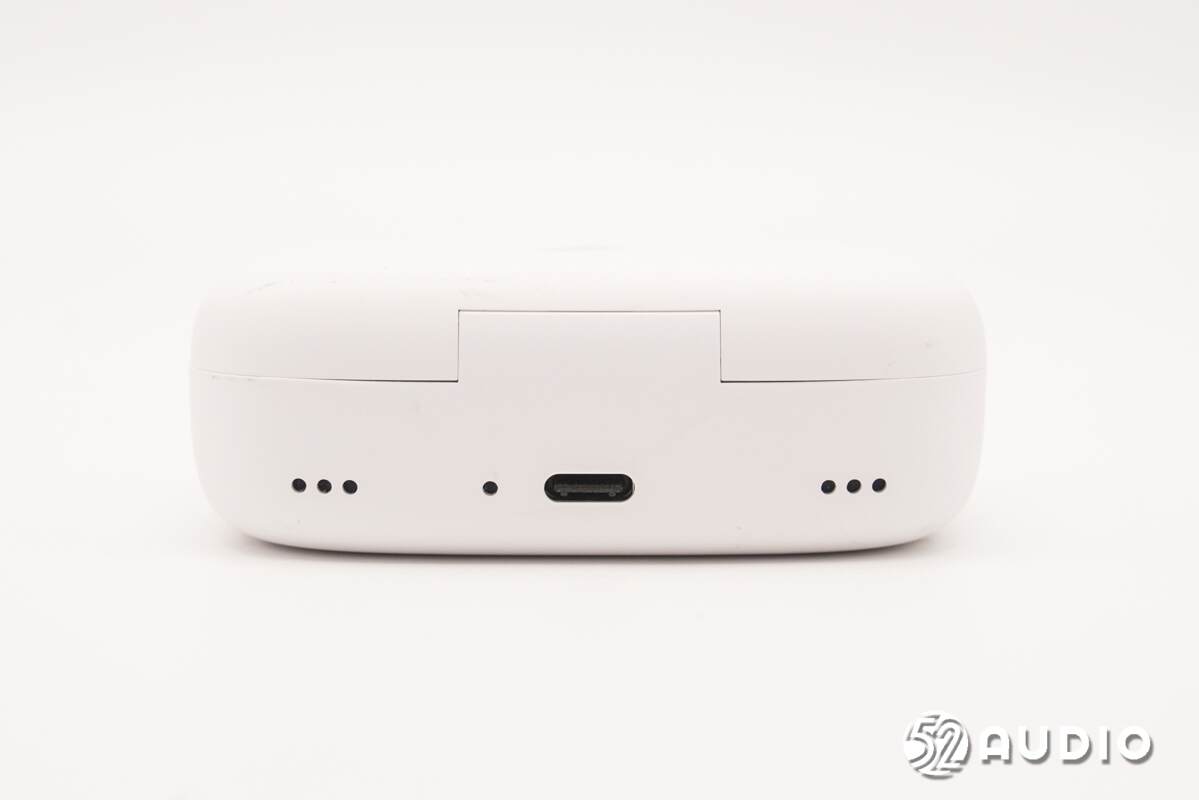
The back of the charging case. The USB-C charging port is in the center, with four microphone openings on the left and three speaker openings on the right.
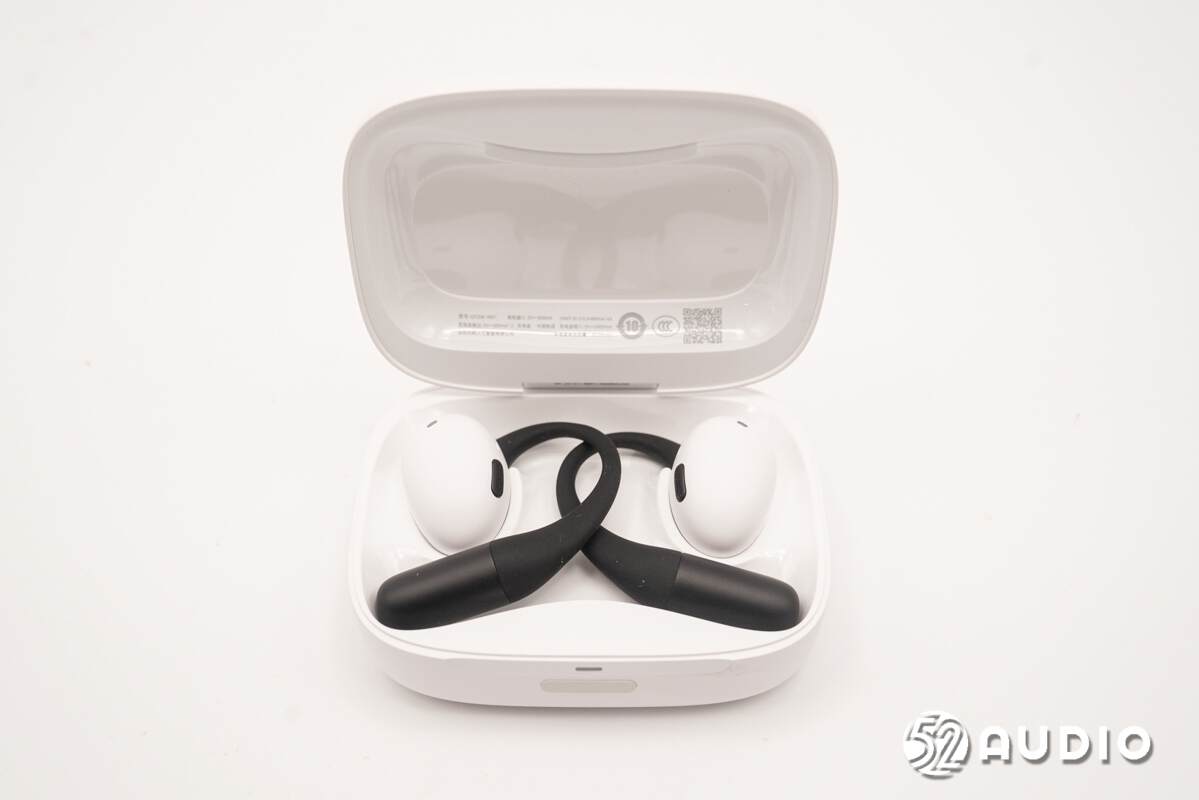
Open the charging case lid. The earbuds are positioned crosswise inside the compartments and held in place magnetically.
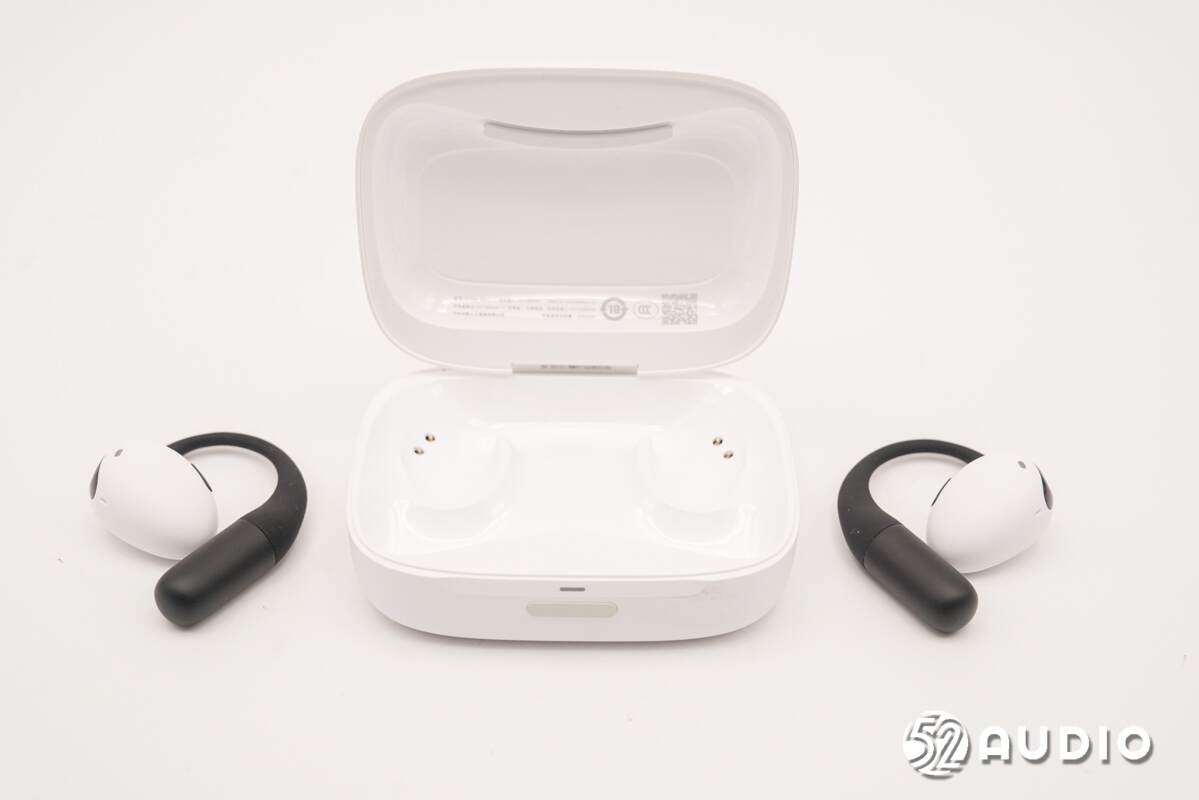
Remove the earbuds to reveal the internal structure of the compartments.
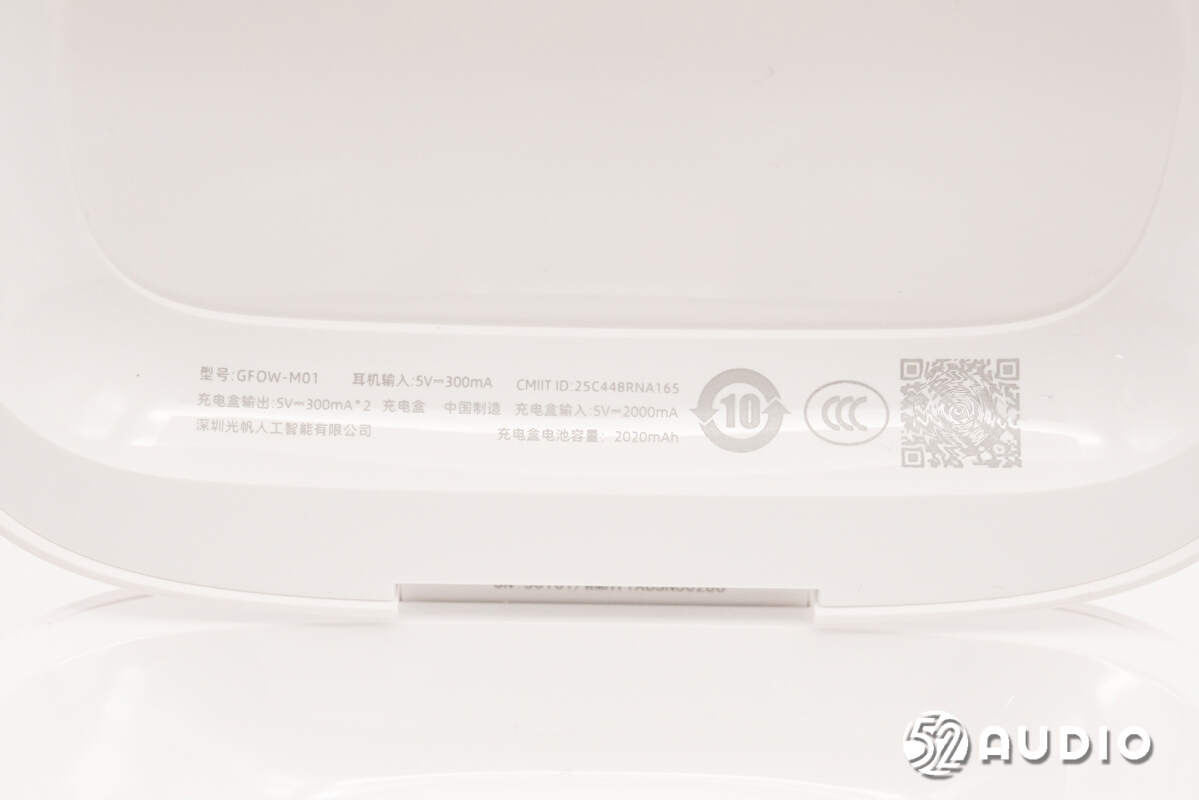
Product information is printed inside the lid. The charging case has a battery capacity of 2020 mAh, while the other information matches the outer packaging.
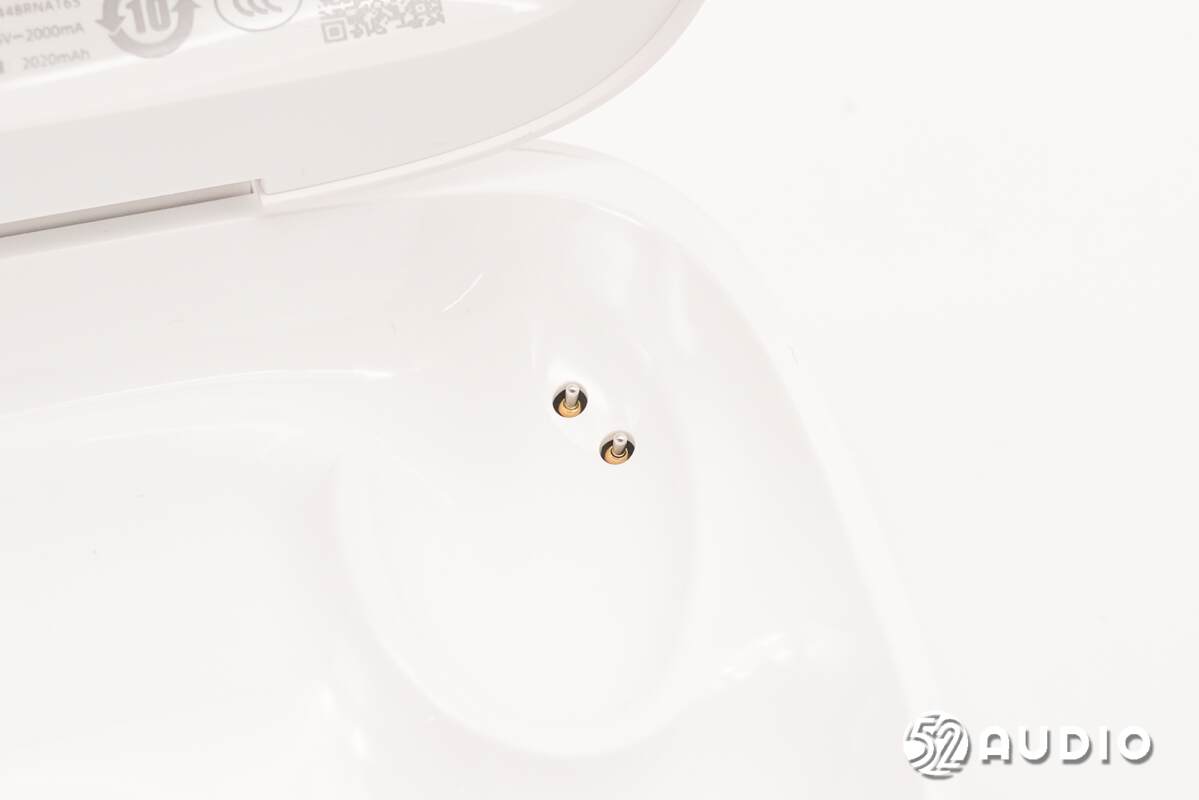
The metal charging pins for the earbuds.
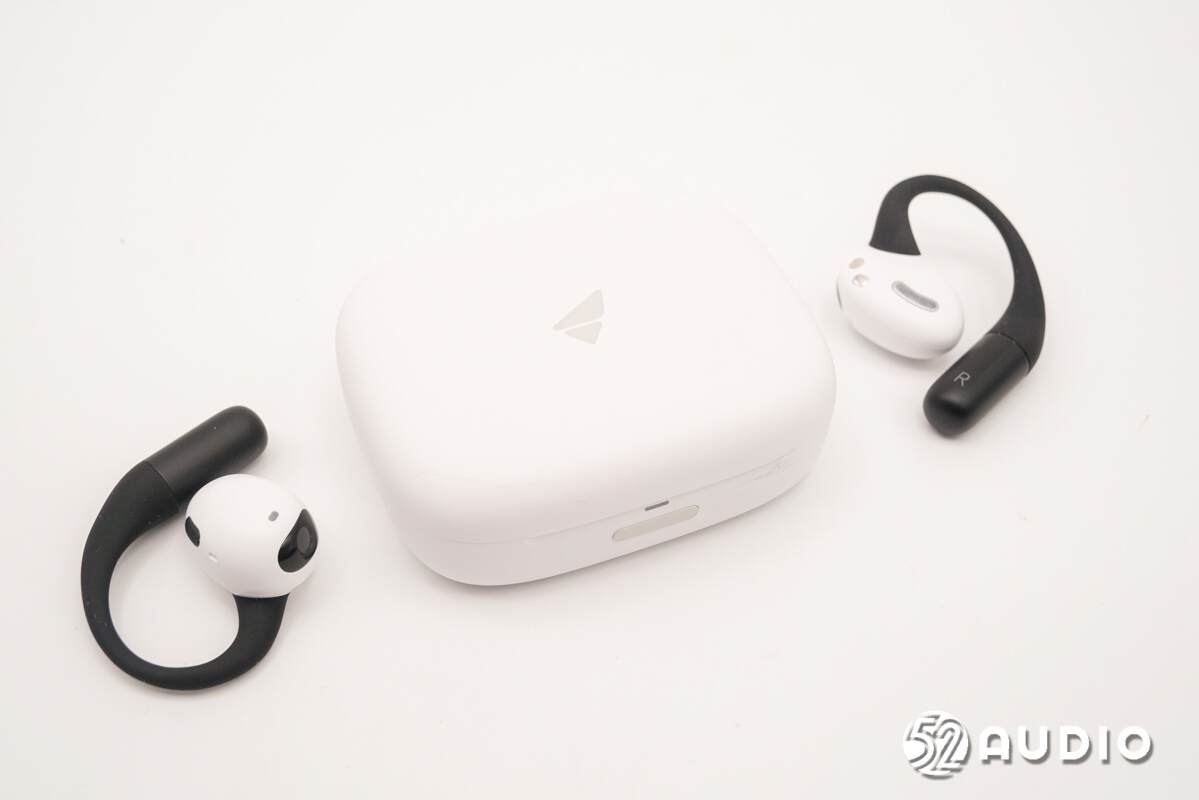
An overall look at the Lightware AI Earbuds. The earbuds feature an ear-hook design and a simple black-and-white color scheme.
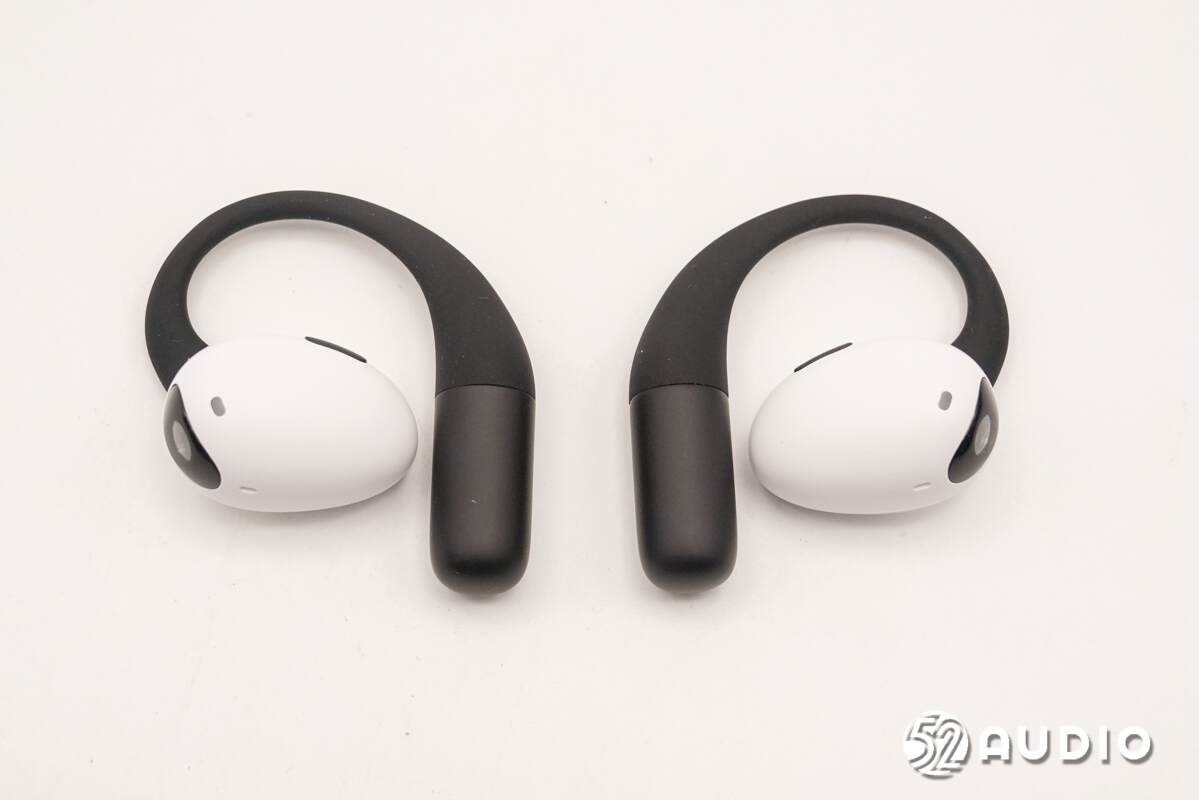
The outer side of the earbuds. The acoustic chamber features a rounded, egg-like shape. The ear hook is wrapped in liquid silicone, and a battery compartment is located at its end.
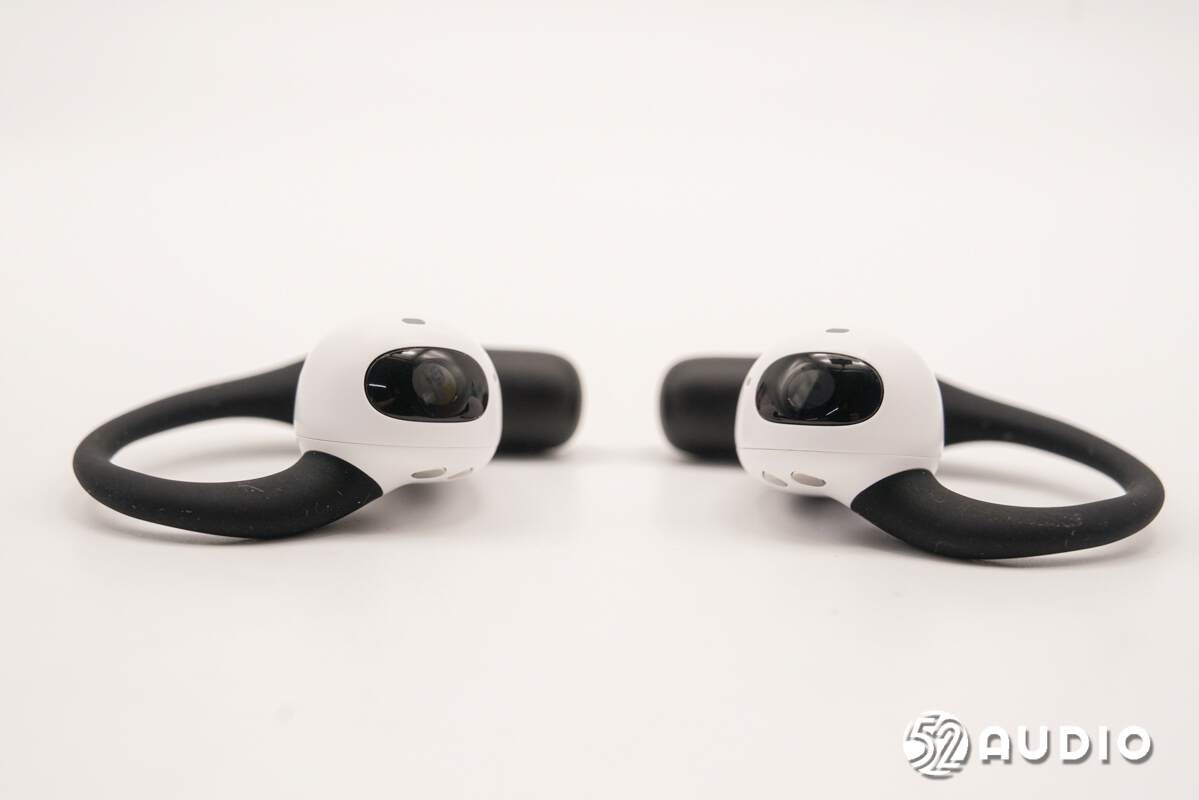
The front of each earbud's acoustic chamber houses a 2 MP fixed-focus camera. The binocular design has an 88° field of view (FOV) and captures scene information from the wearer's first-person perspective.
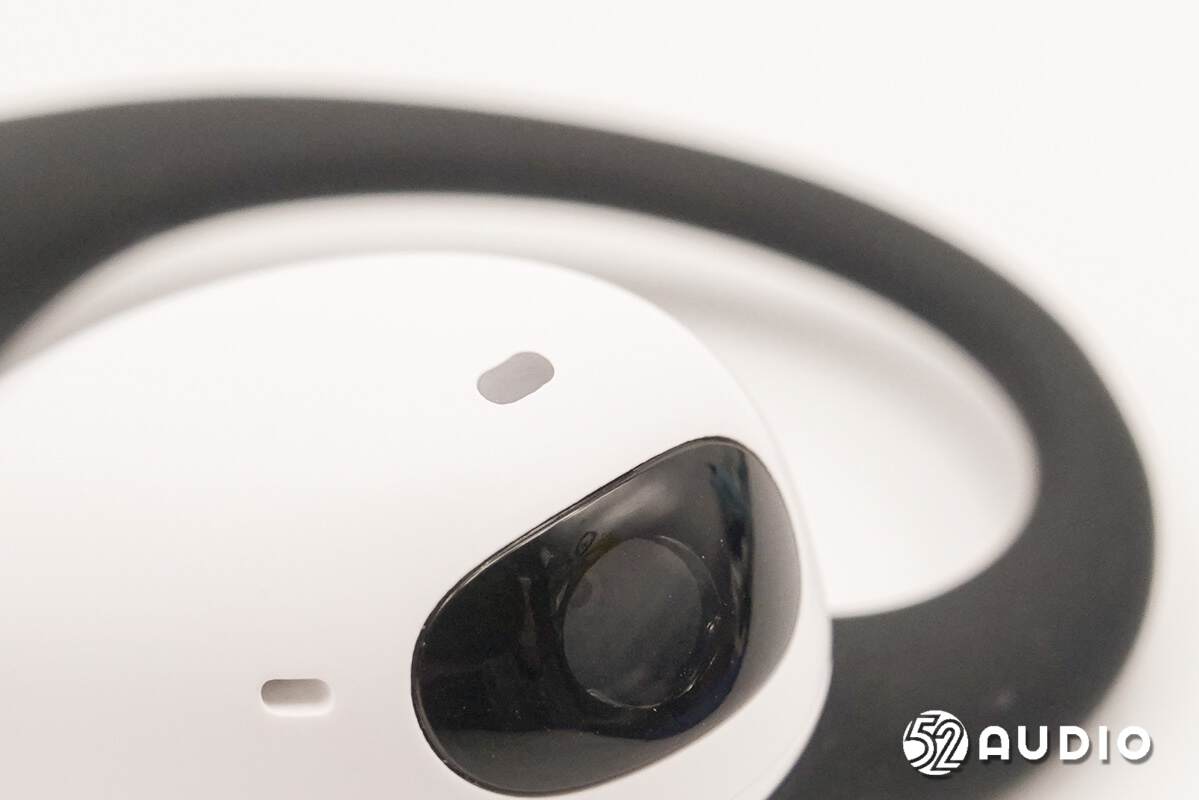
The indicator light on the back of the acoustic chamber, which indicates the earbud's operating status.
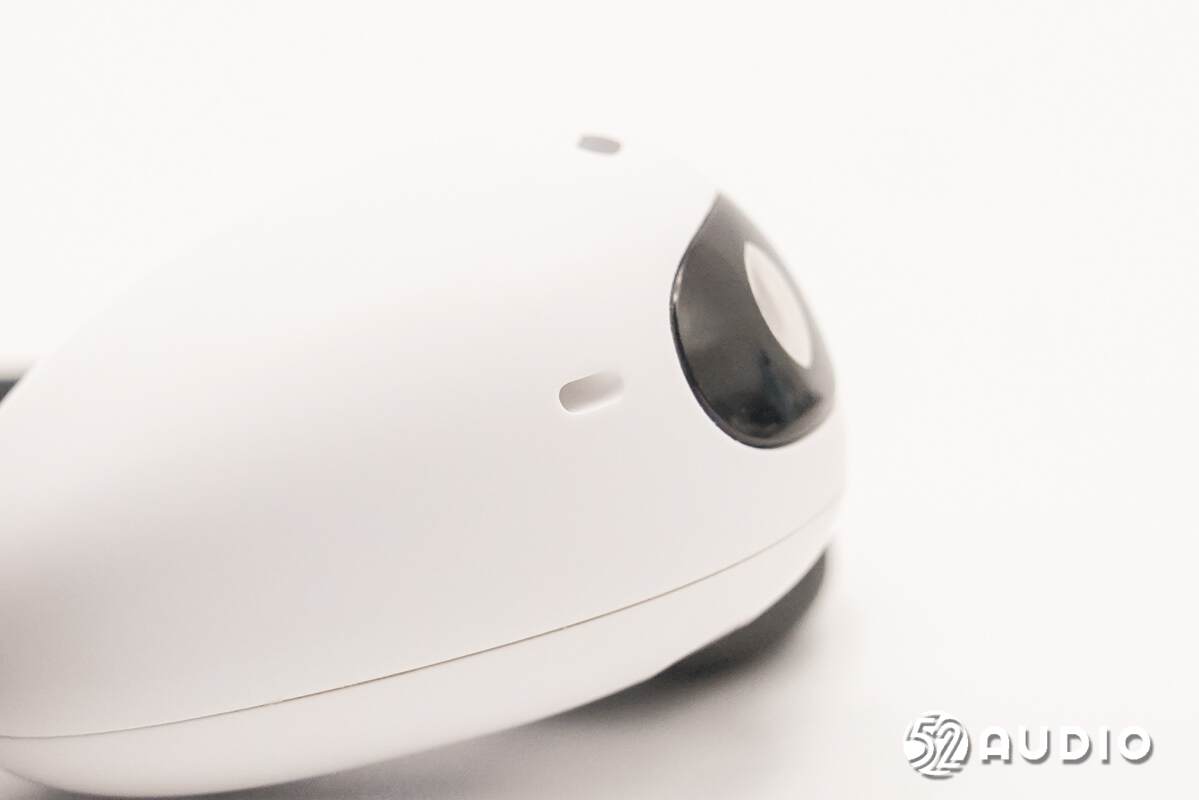
The call microphone opening at the bottom of the acoustic chamber, featuring a wind-noise-resistant design.
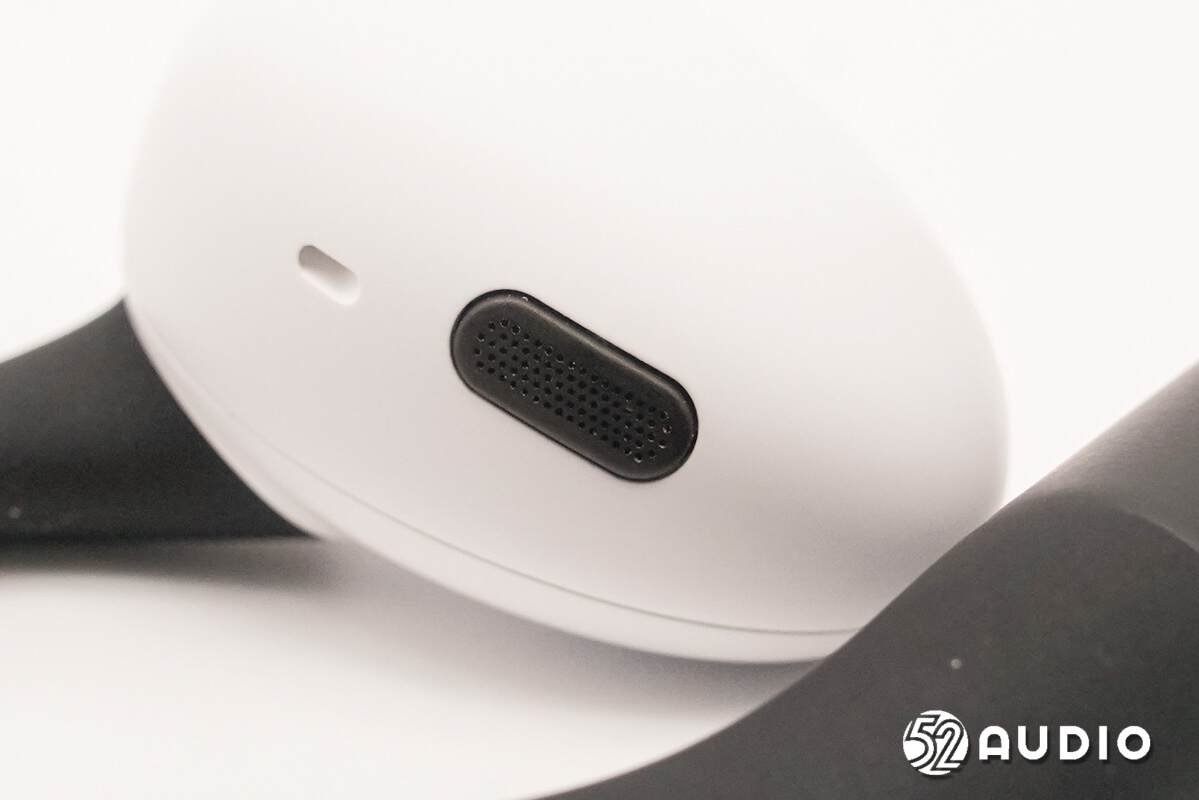
The bottom of the acoustic chamber features a noise-canceling microphone opening and a tuning vent protected by a metal cover.
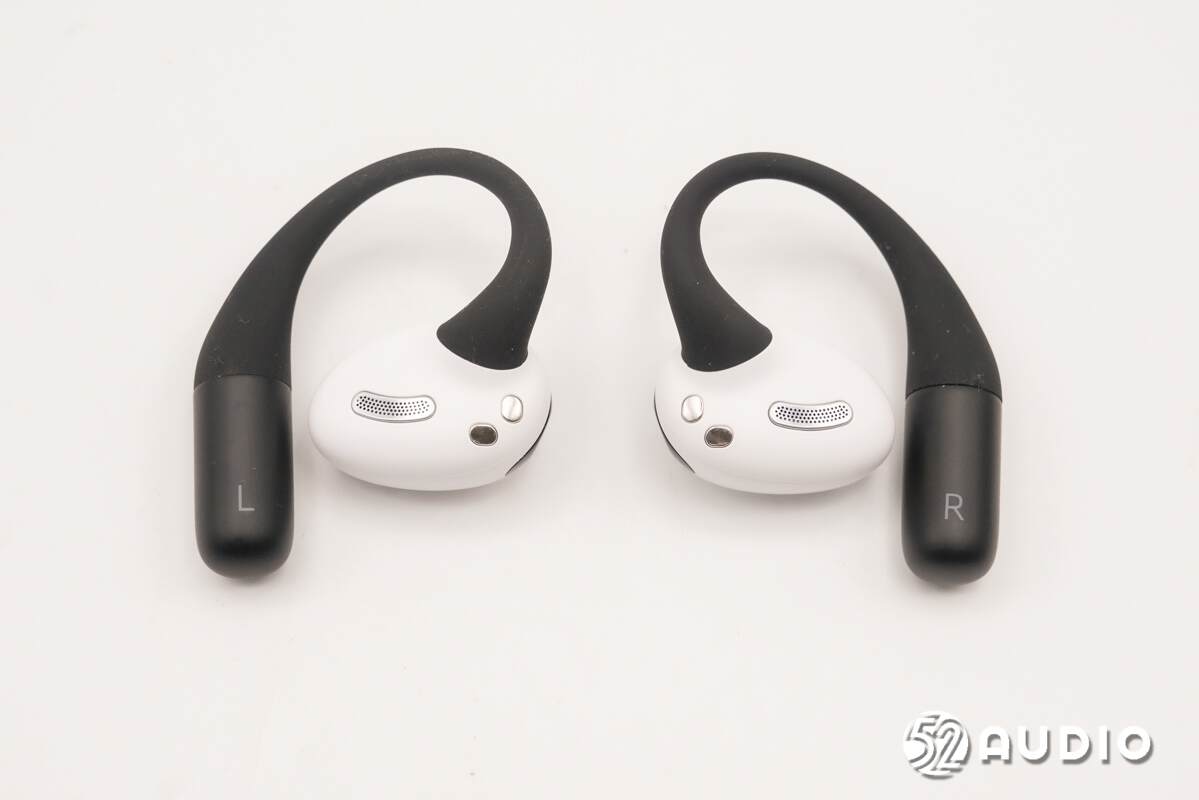
The inner side of the earbuds. L/R markings are provided at the ends of the ear hooks.
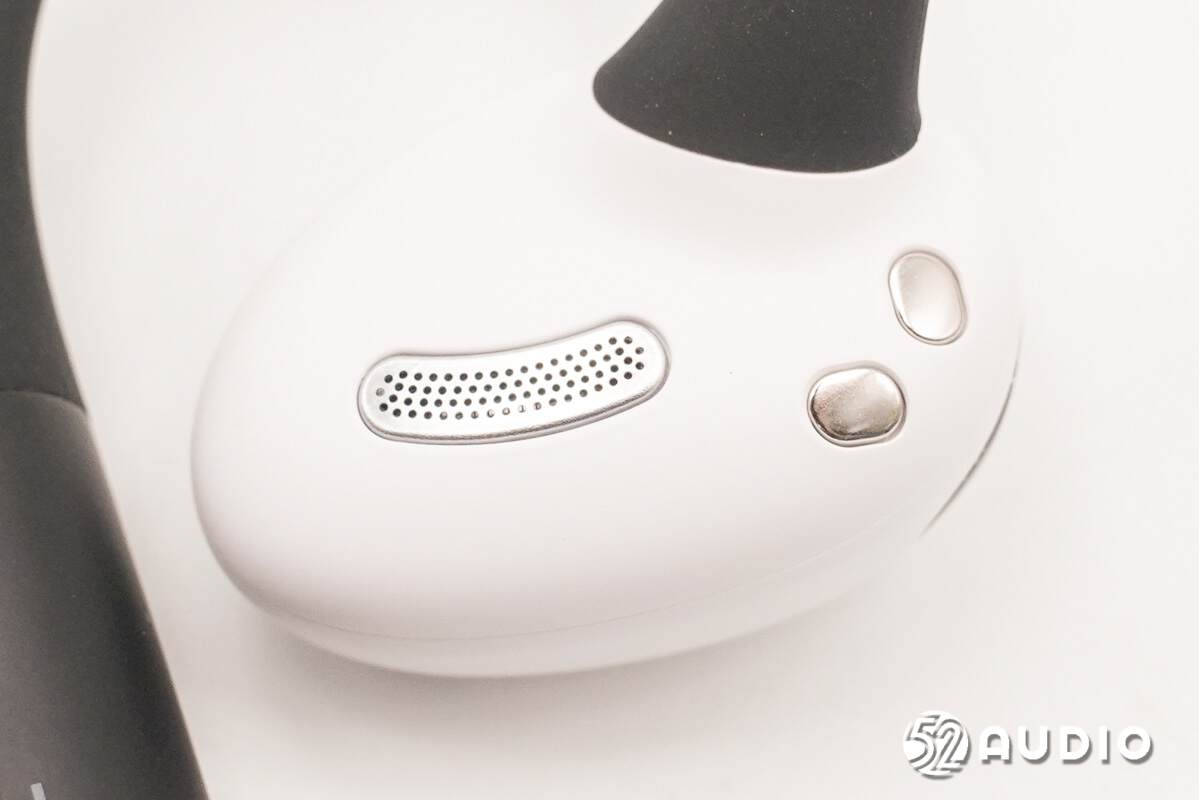
The earbud sound outlet, protected by a metal cover.
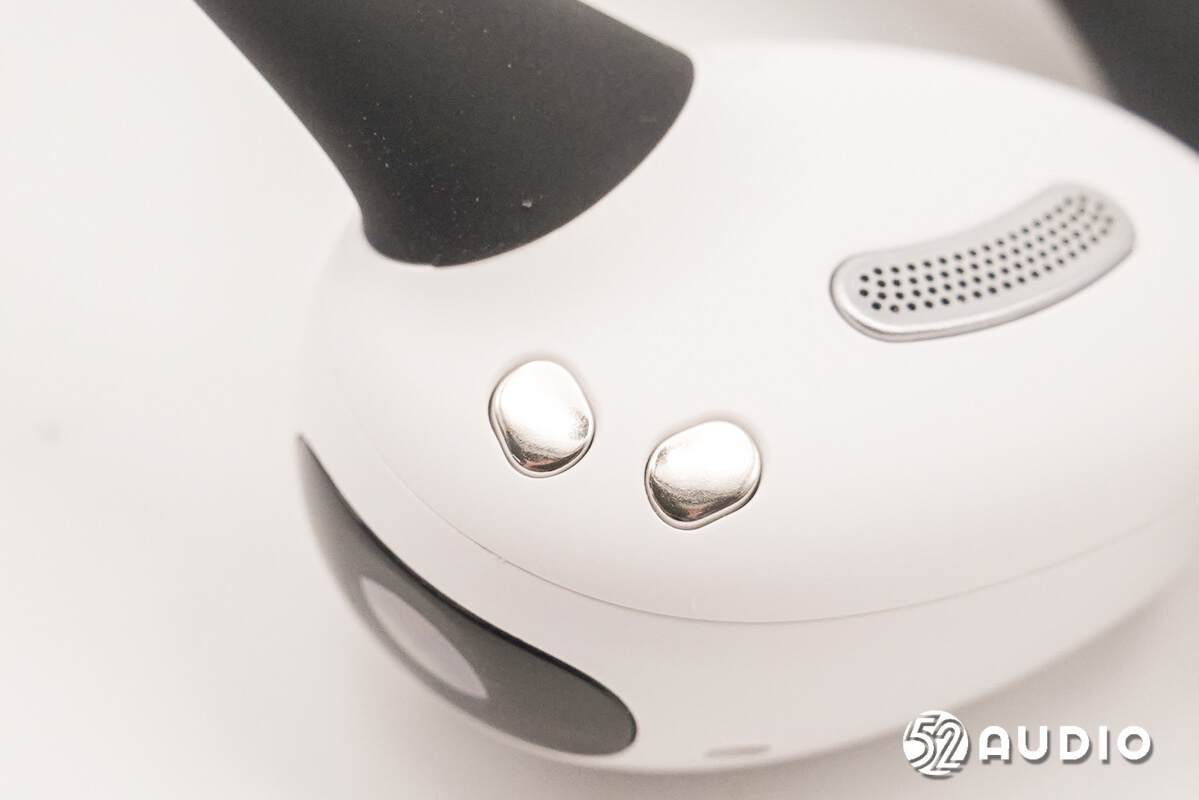
The earbud charging contacts.

According to measurements by 52 AUDIO, the weight of the earbuds and charging case is about 115.3 g (4.07 oz).
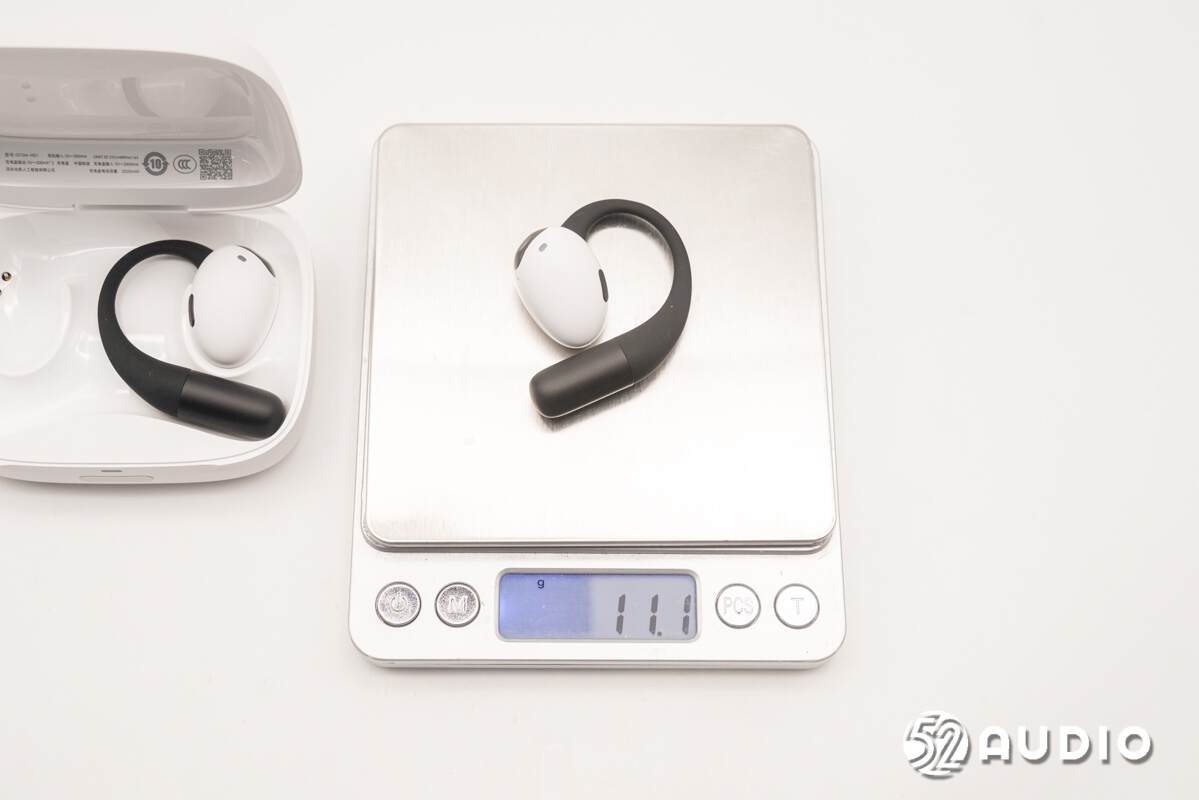
A single earbud weighs approximately 11.1 g (0.391 oz).
Teardown
Teardown of the Lightware AI Earbuds
The unboxing section provided a detailed look at the camera-integrated design of the Lightware AI Earbuds. Next, let's proceed with the teardown to examine the internal structure and components.
Teardown of the Charging Case
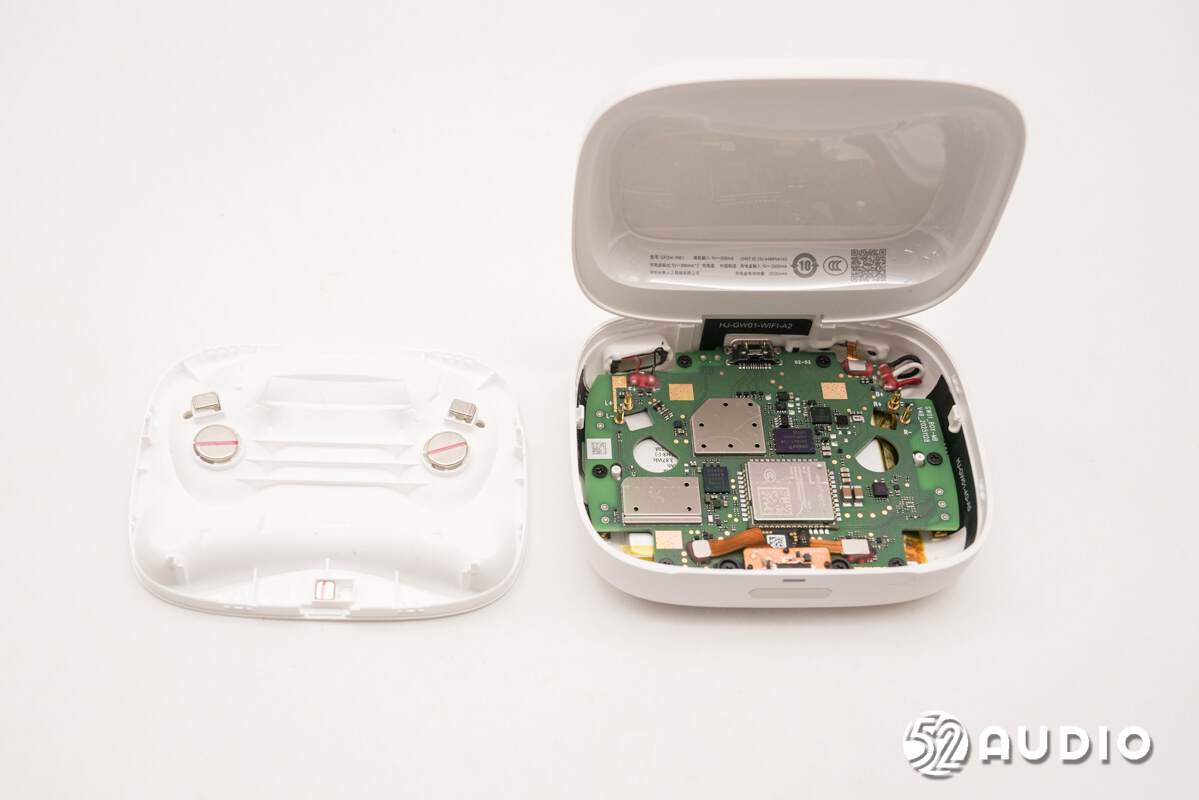
Open the charging case enclosure and remove the earbud compartment assembly.
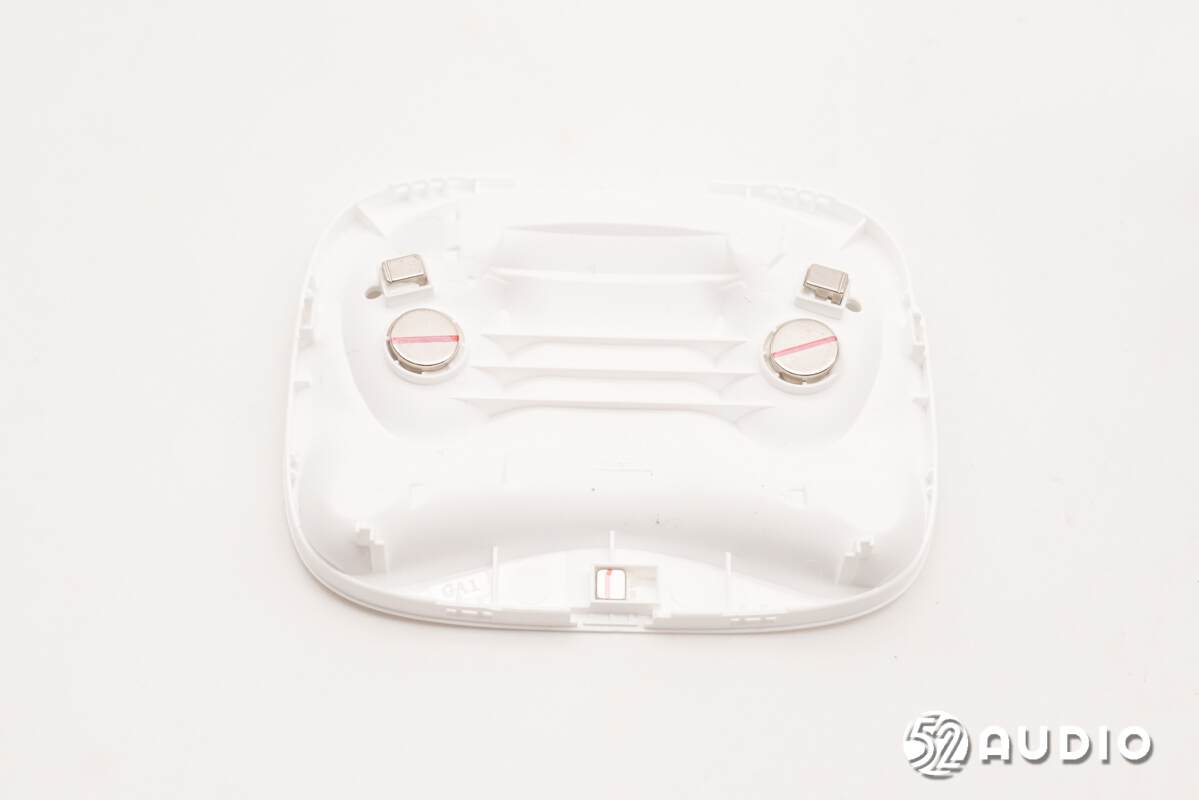
The bottom of the compartment assembly. Five magnets are installed to secure the earbuds and charging case lid.
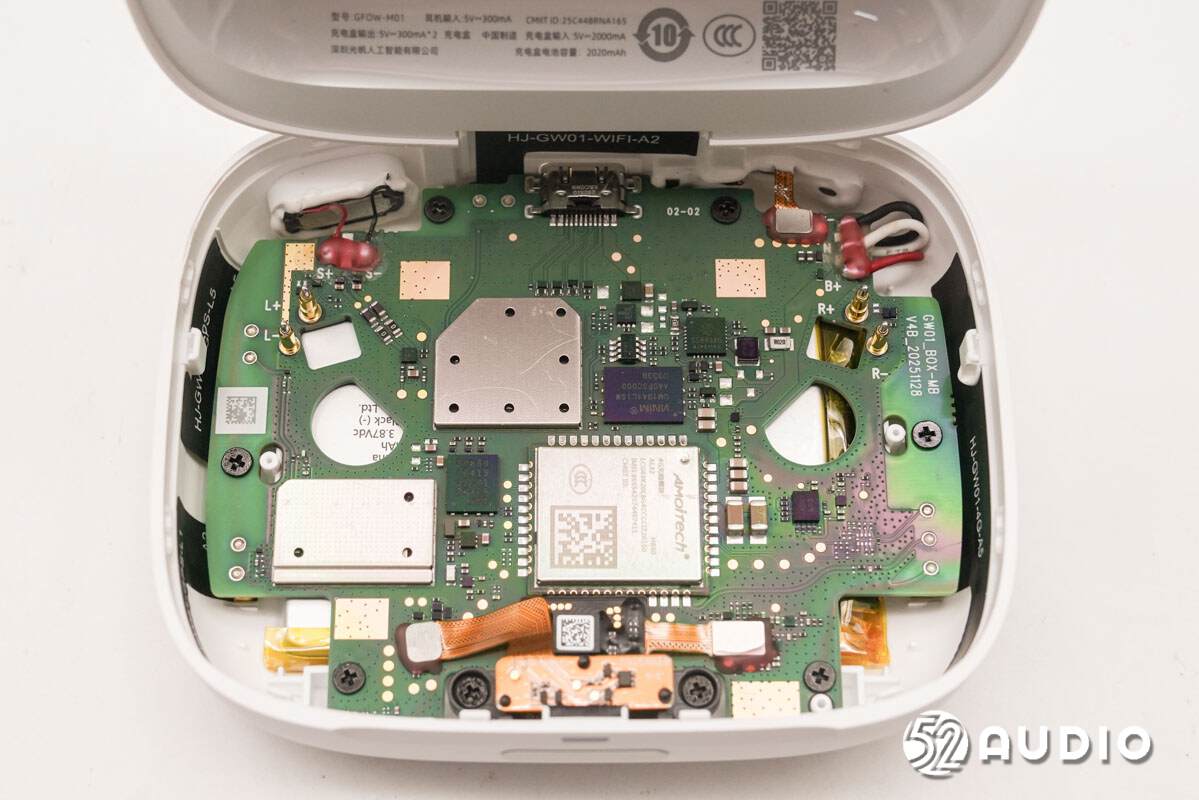
A look inside the enclosure. The mainboard is secured with screws in the upper section, while the battery is located below.
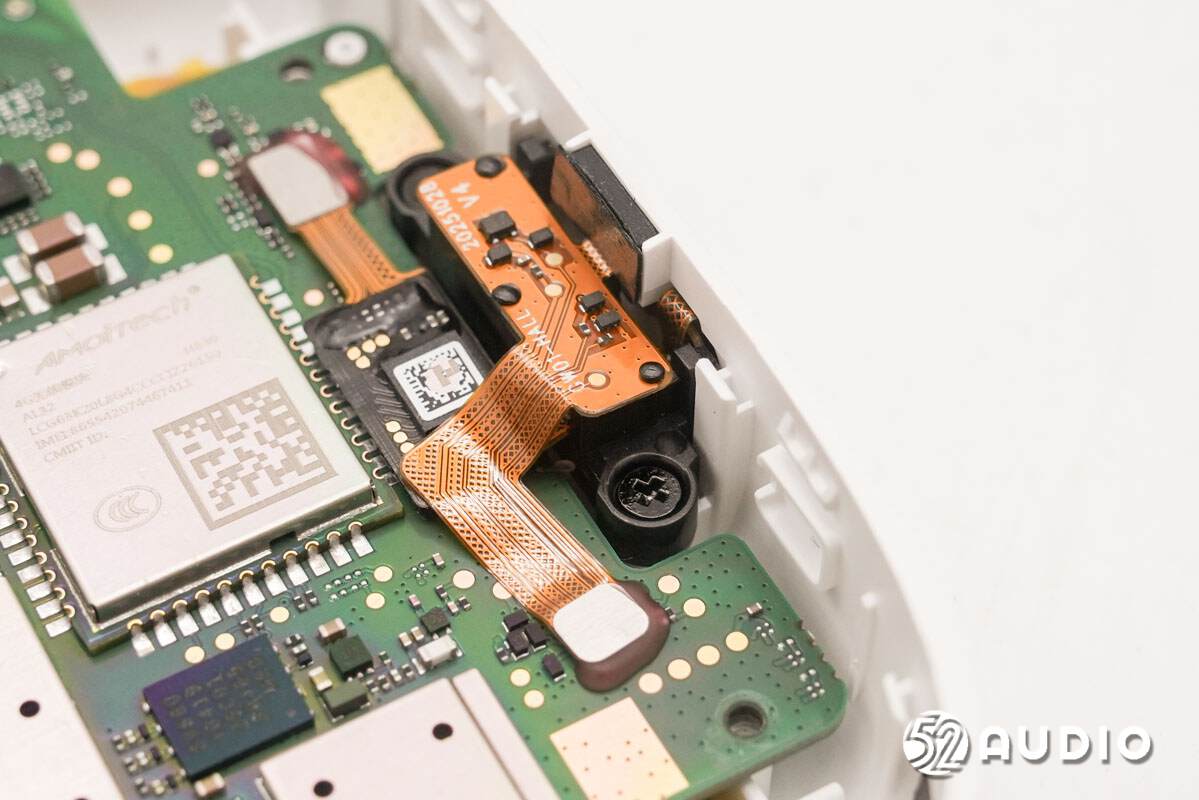
The indicator light and function button ribbon cables are secured above the mainboard.
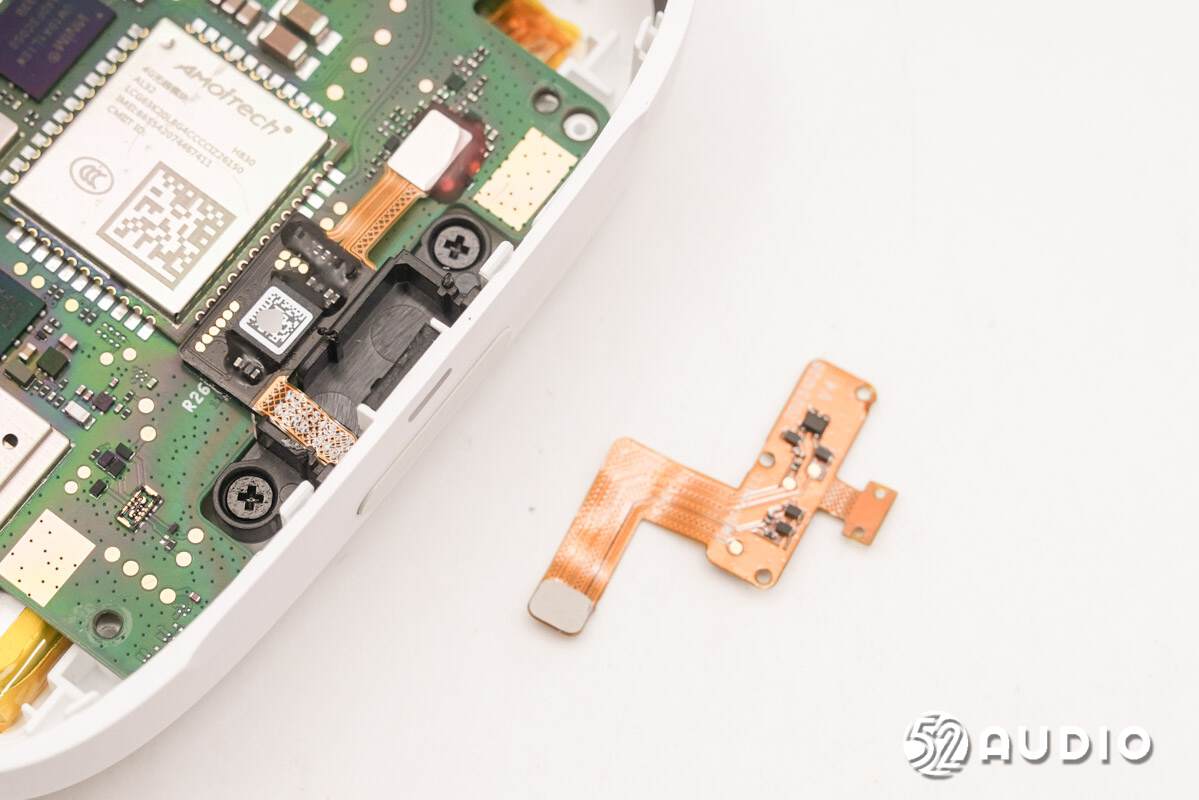
Disconnect the connector and remove the indicator light ribbon cable.
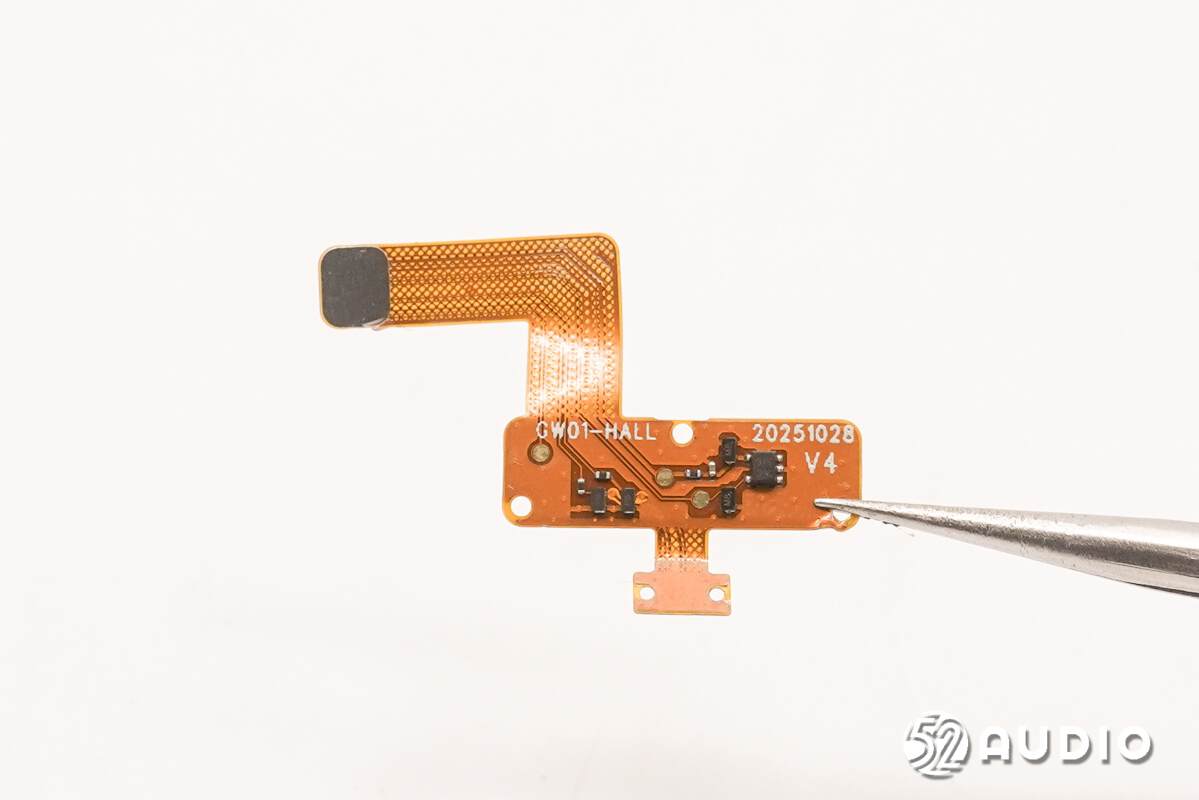
The circuitry on one side of the indicator light ribbon cable.
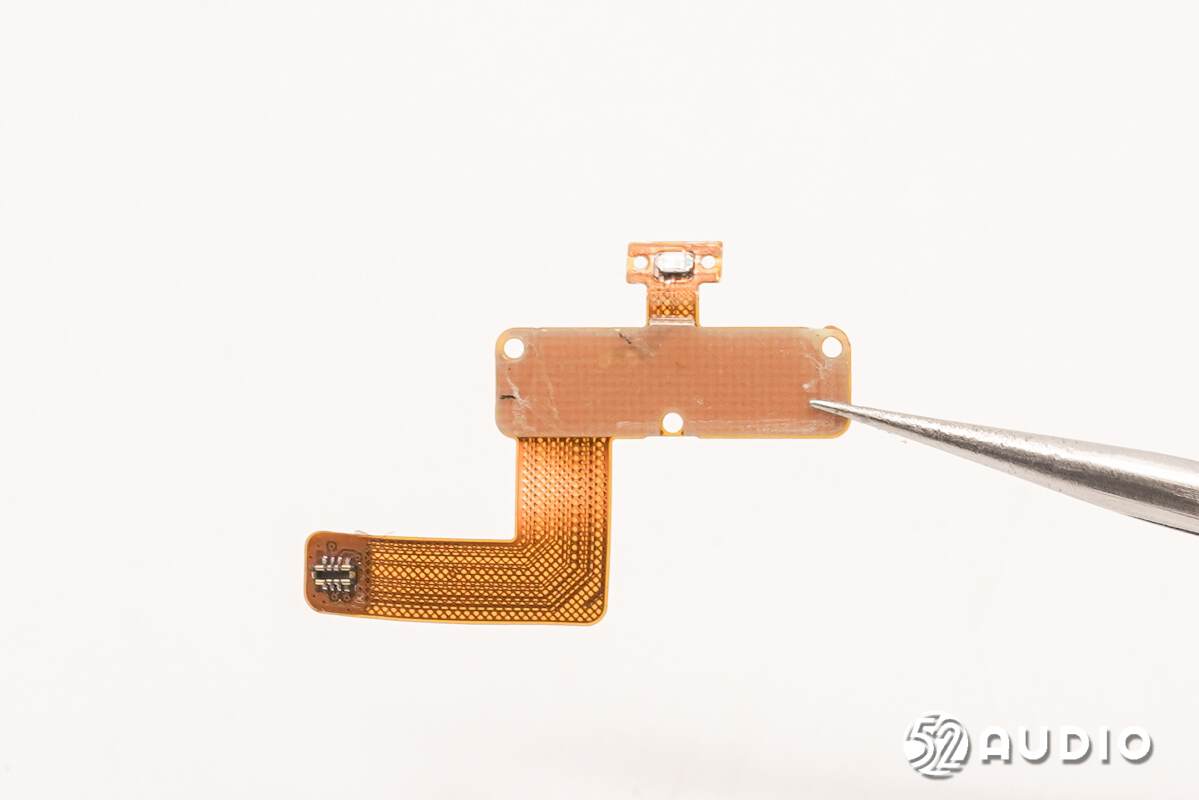
The circuitry on the other side of the indicator light ribbon cable.
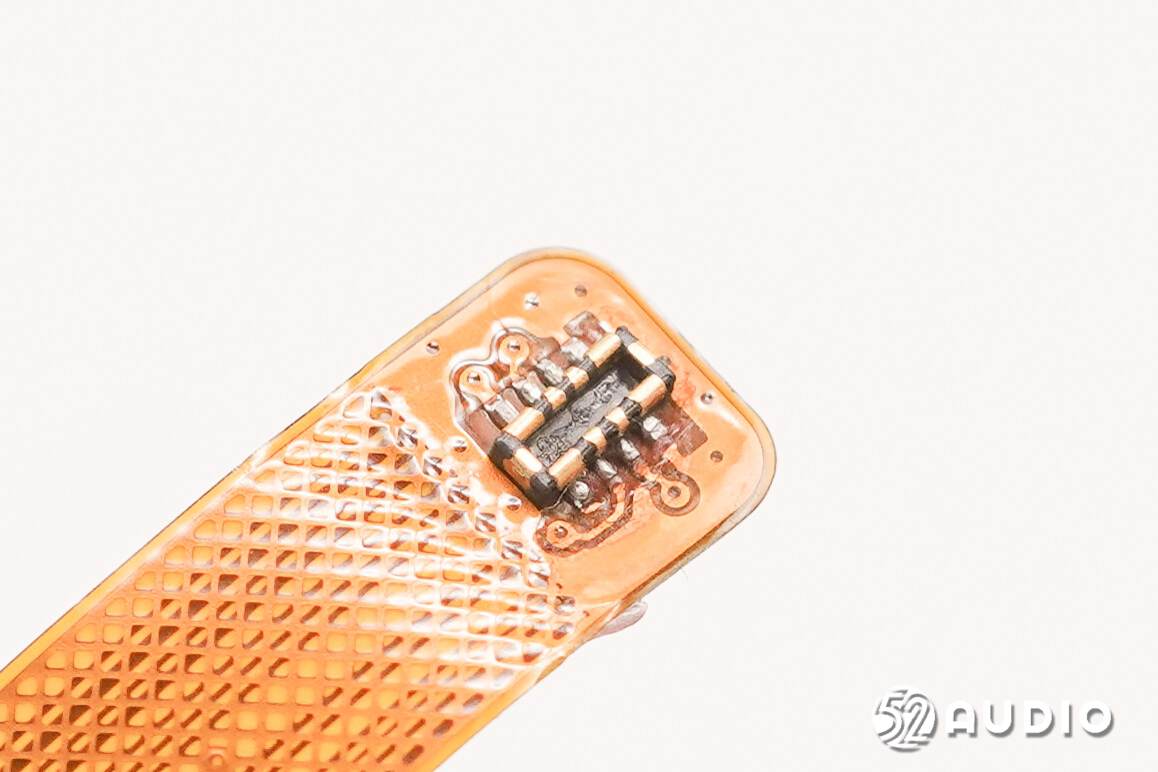
The male BTB connector for the ribbon cable.
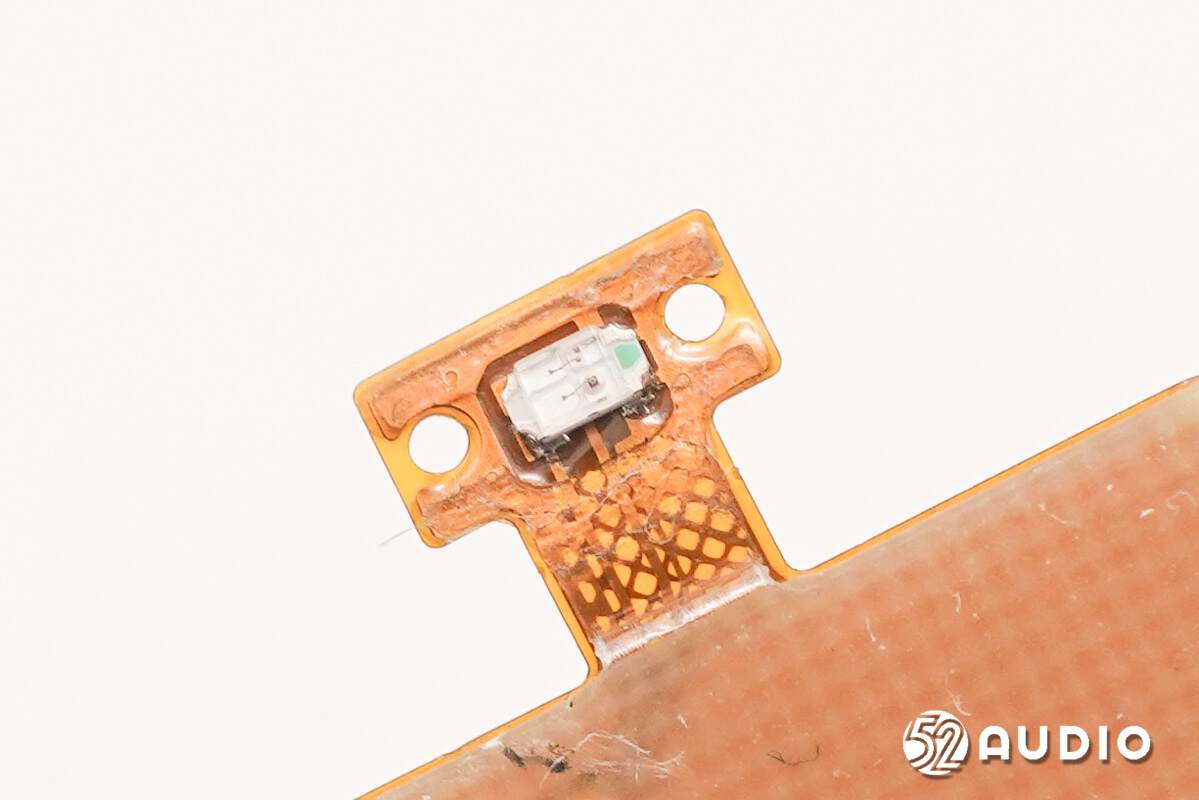
The LED indicator is used to indicate pairing and charging status.
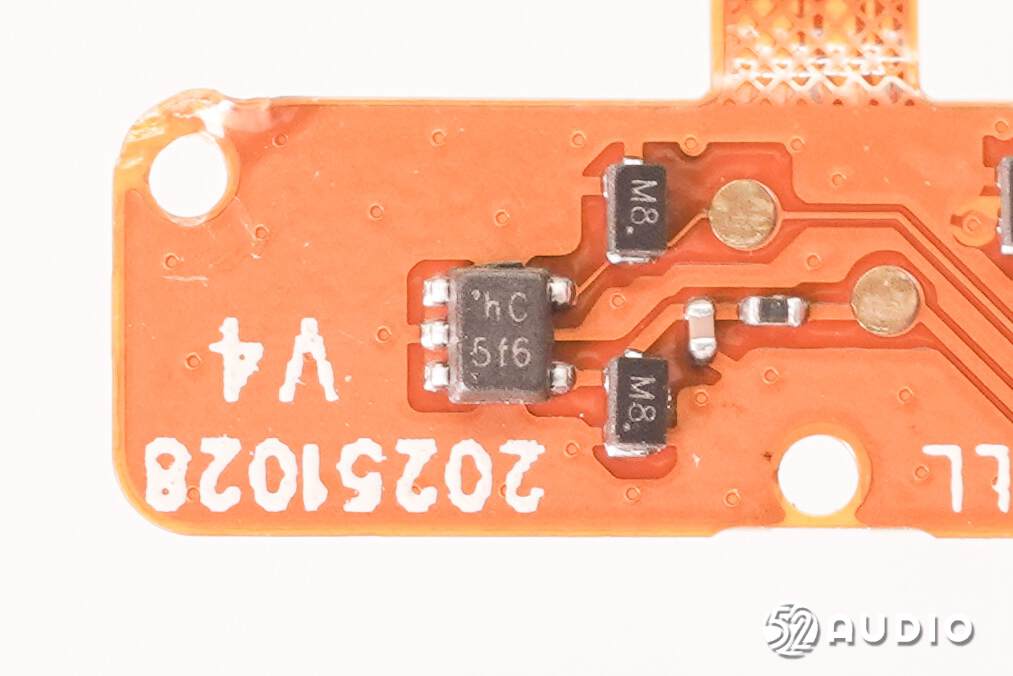
The Hall sensor marked hC 5f6 detects changes in the magnetic field when the charging case lid opens or closes, enabling automatic connection when the lid is opened.
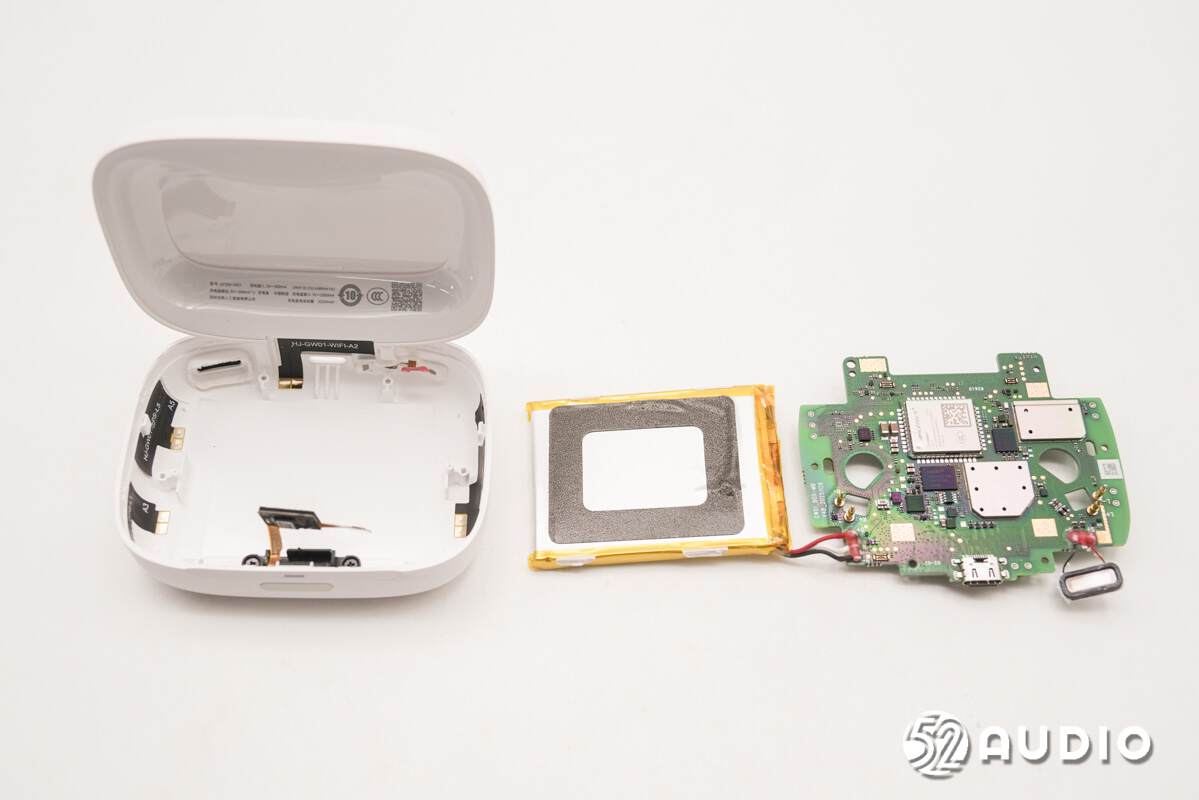
Remove the securing screws and take out the battery, mainboard, and speaker unit.
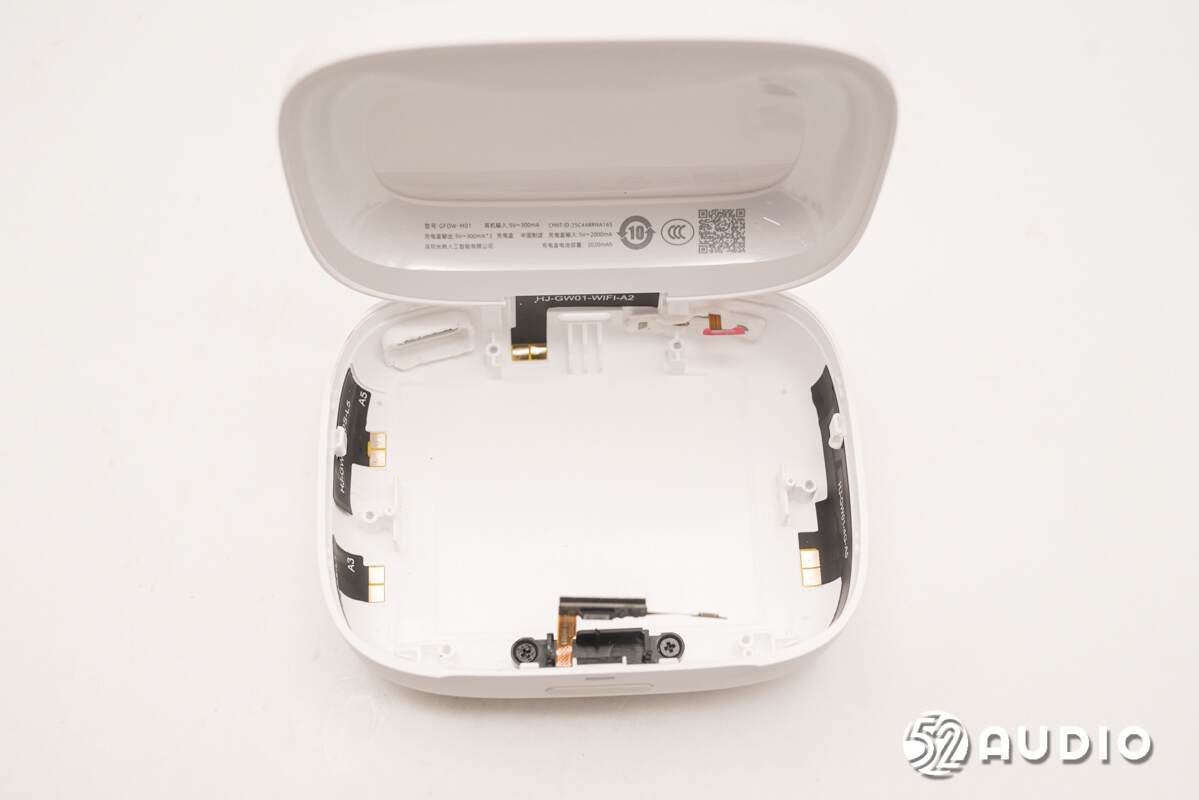
The bottom of the enclosure. Wi-Fi, GPS, and 4G antennas, along with the microphone and function button ribbon cables, are also secured around its perimeter.
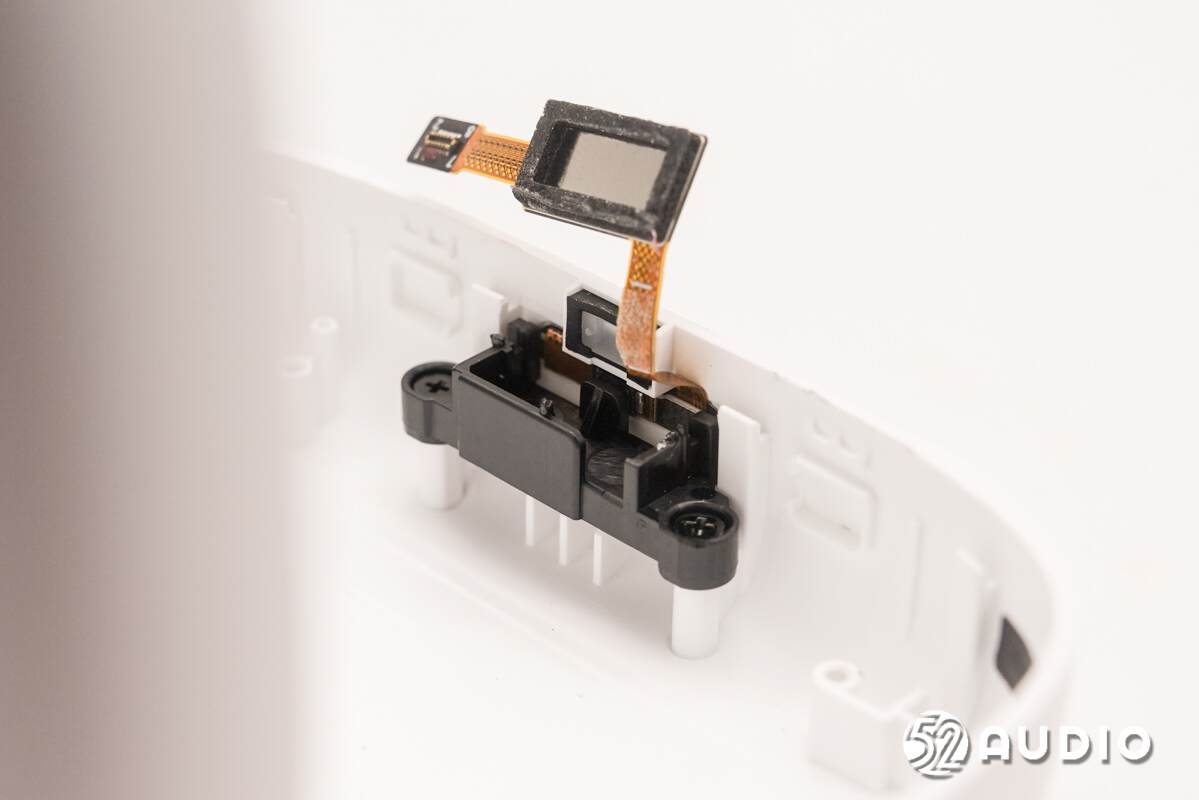
The function button ribbon cable assembly, secured by a bracket.
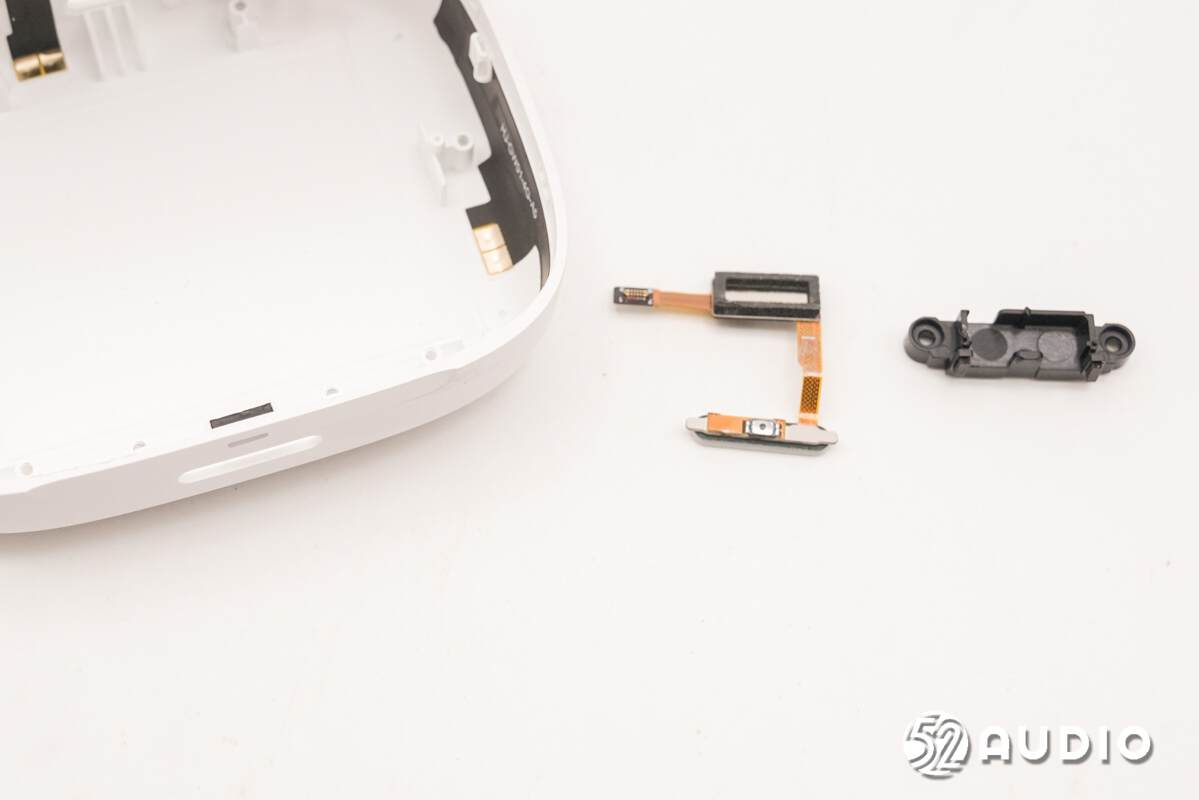
Remove the securing screws and bracket, then take out the ribbon cable.
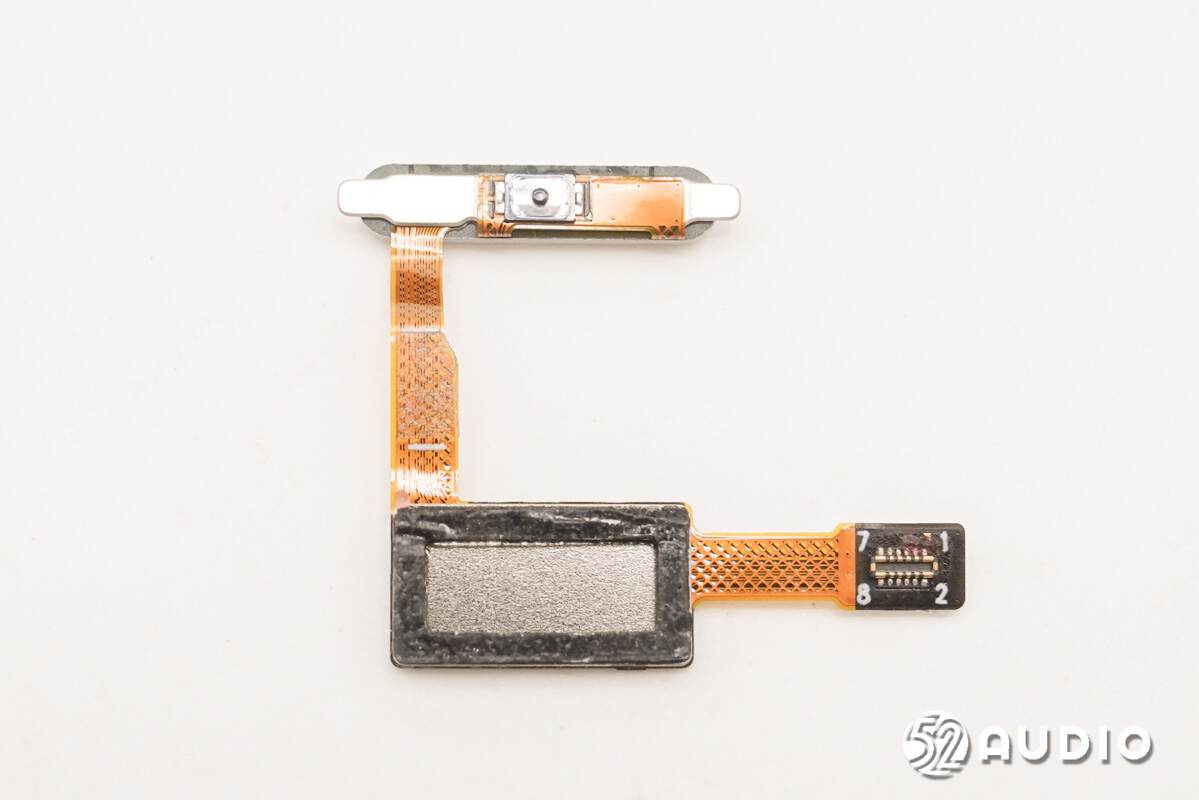
The circuitry on one side of the function button ribbon cable.
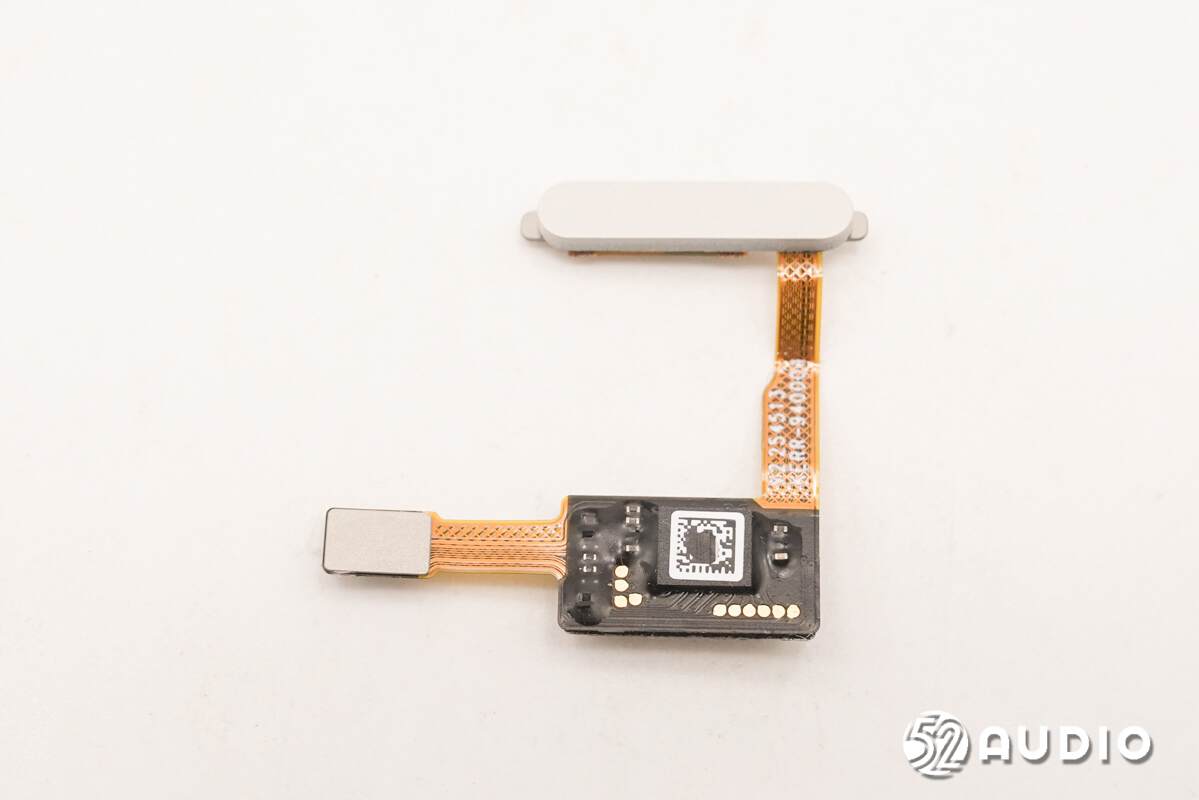
The circuitry on the other side of the function button ribbon cable.
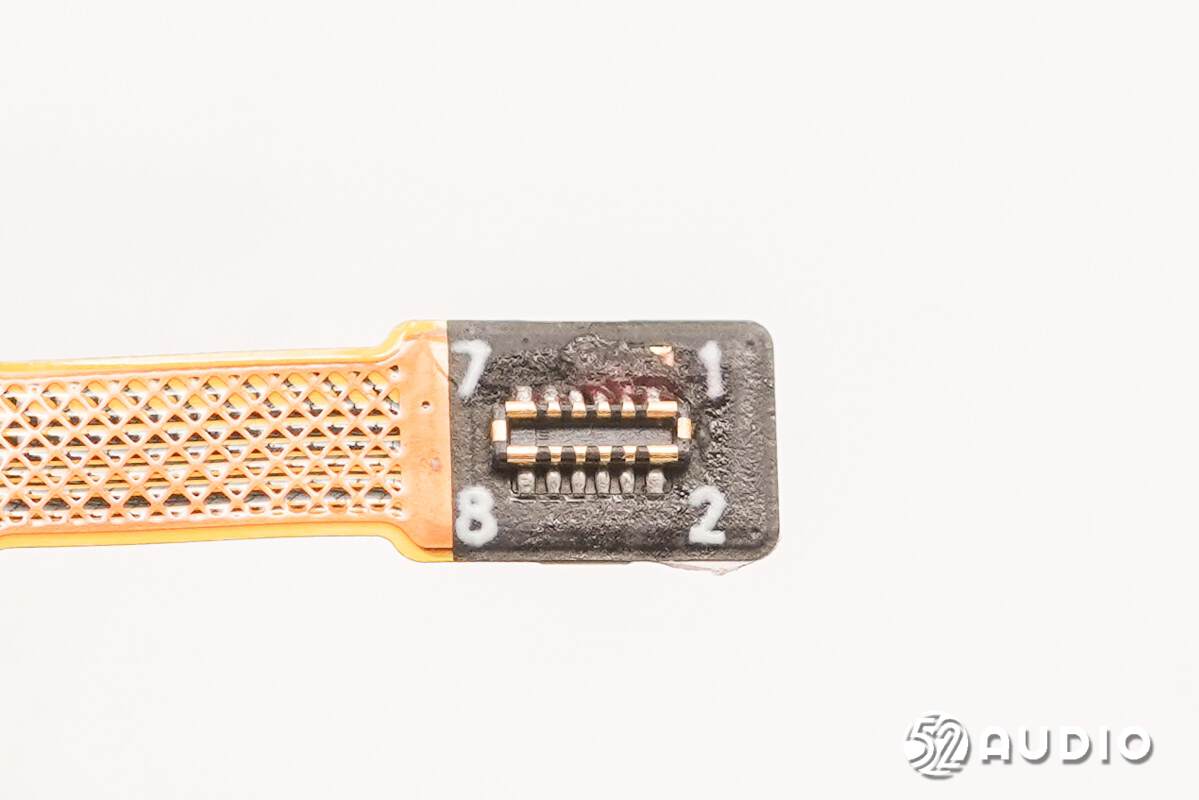
The male BTB connector connecting the function button ribbon cable to the mainboard.
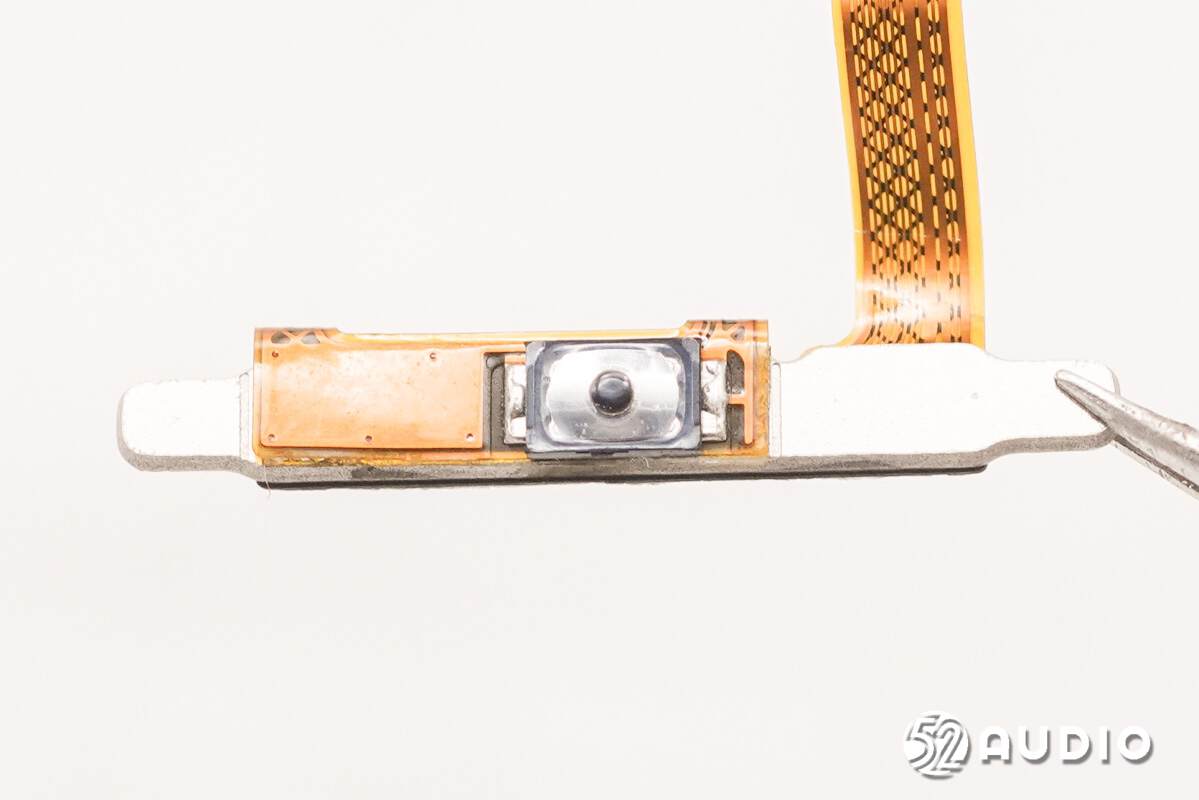
The tactile switch is used for multiple functions, including pairing and battery level display.
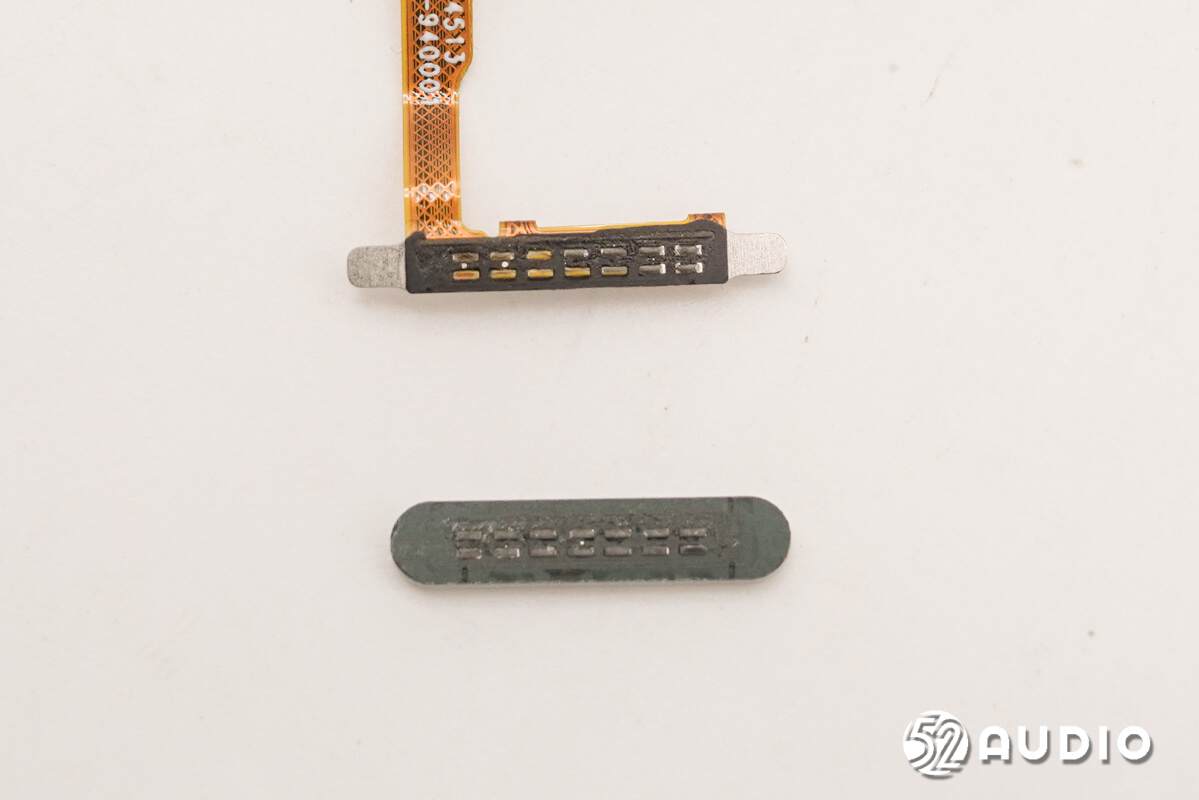
The capacitive fingerprint sensor.
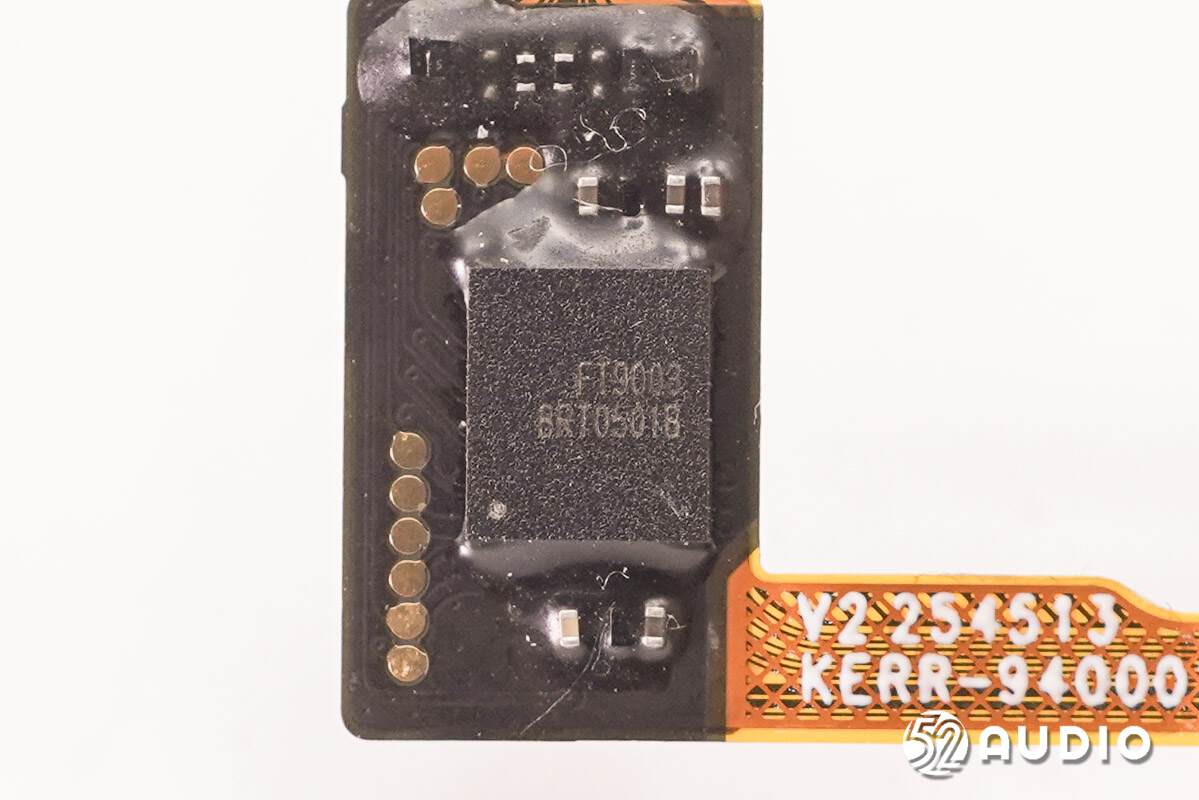
The IC marked FT9003 is believed to be a front-end chip for the capacitive fingerprint sensor.
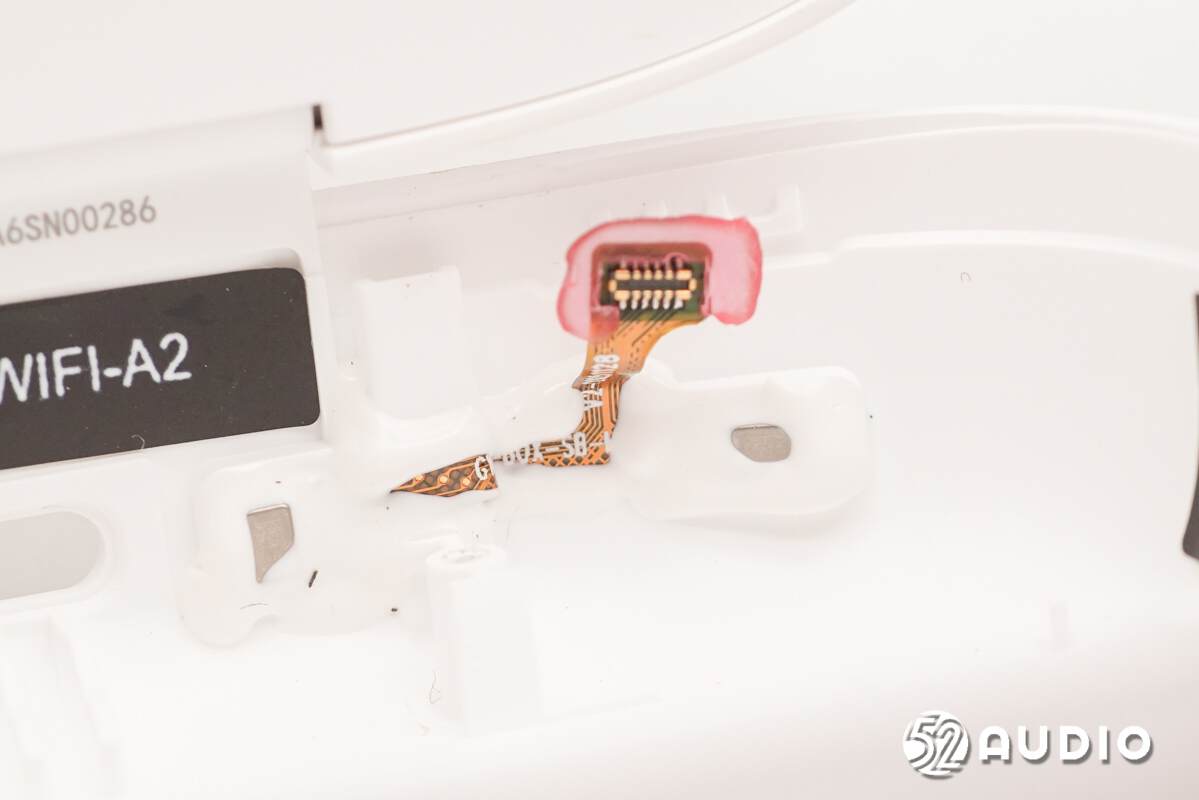
The dual-microphone ribbon cable assembly, which is sealed with adhesive.
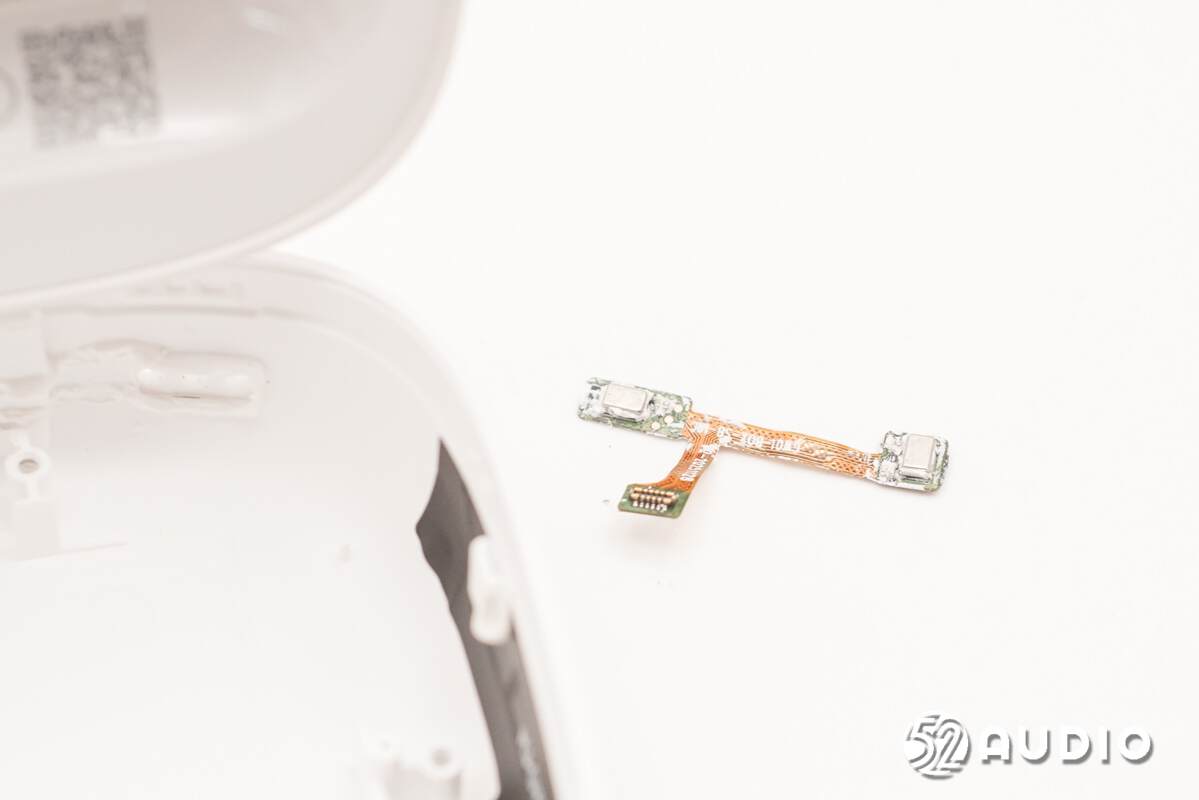
Remove the microphone ribbon cable.
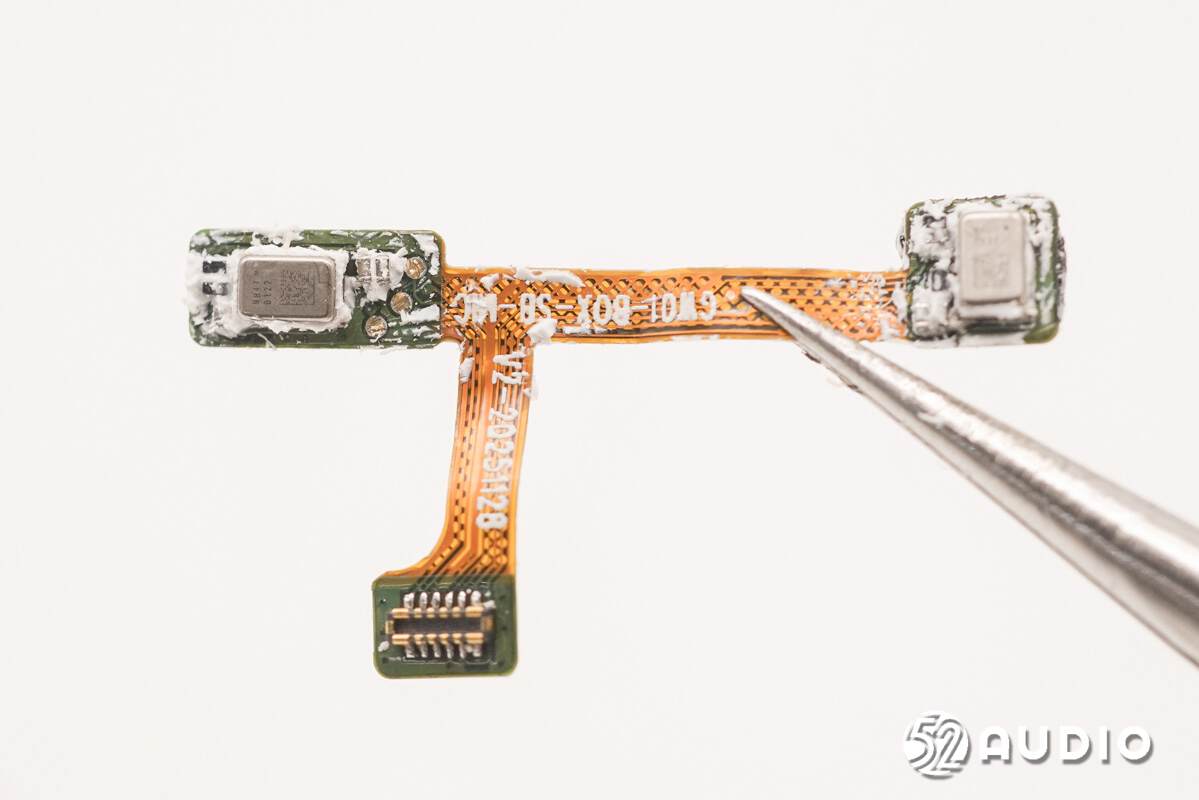
The circuitry on the front of the microphone ribbon cable.
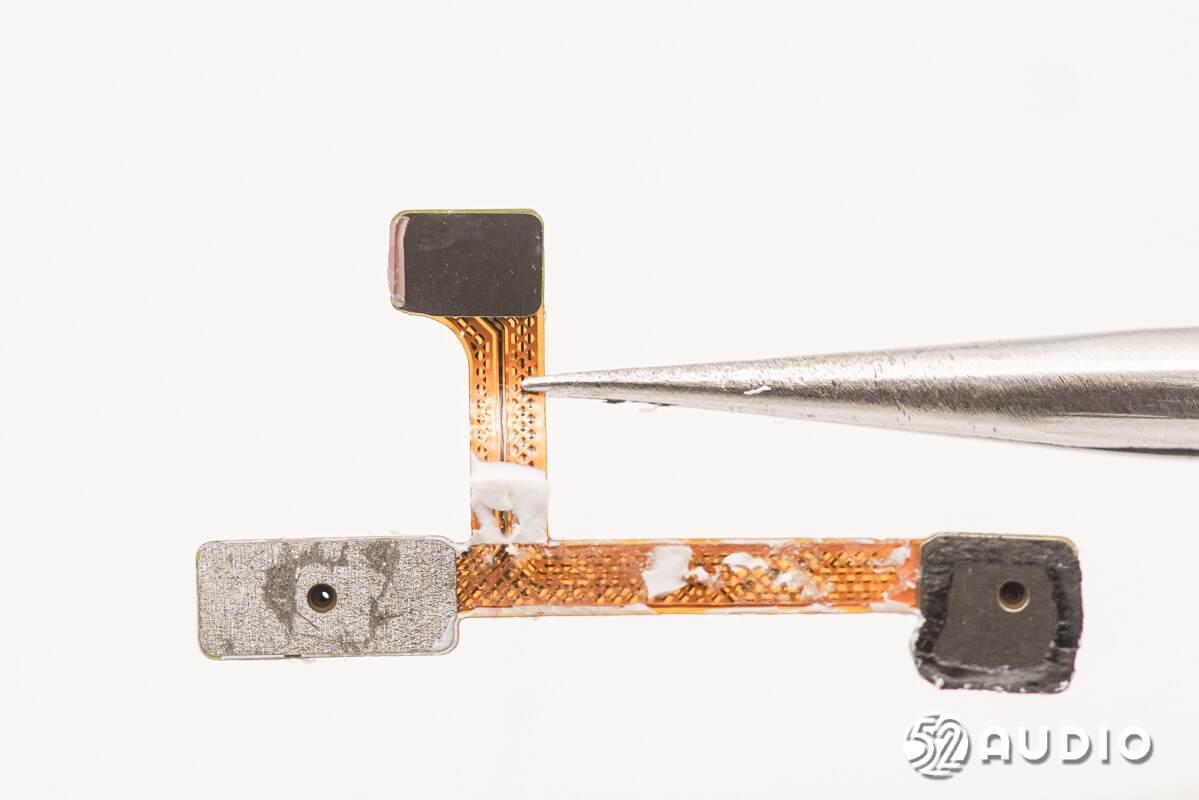
The circuitry on the back of the microphone ribbon cable.
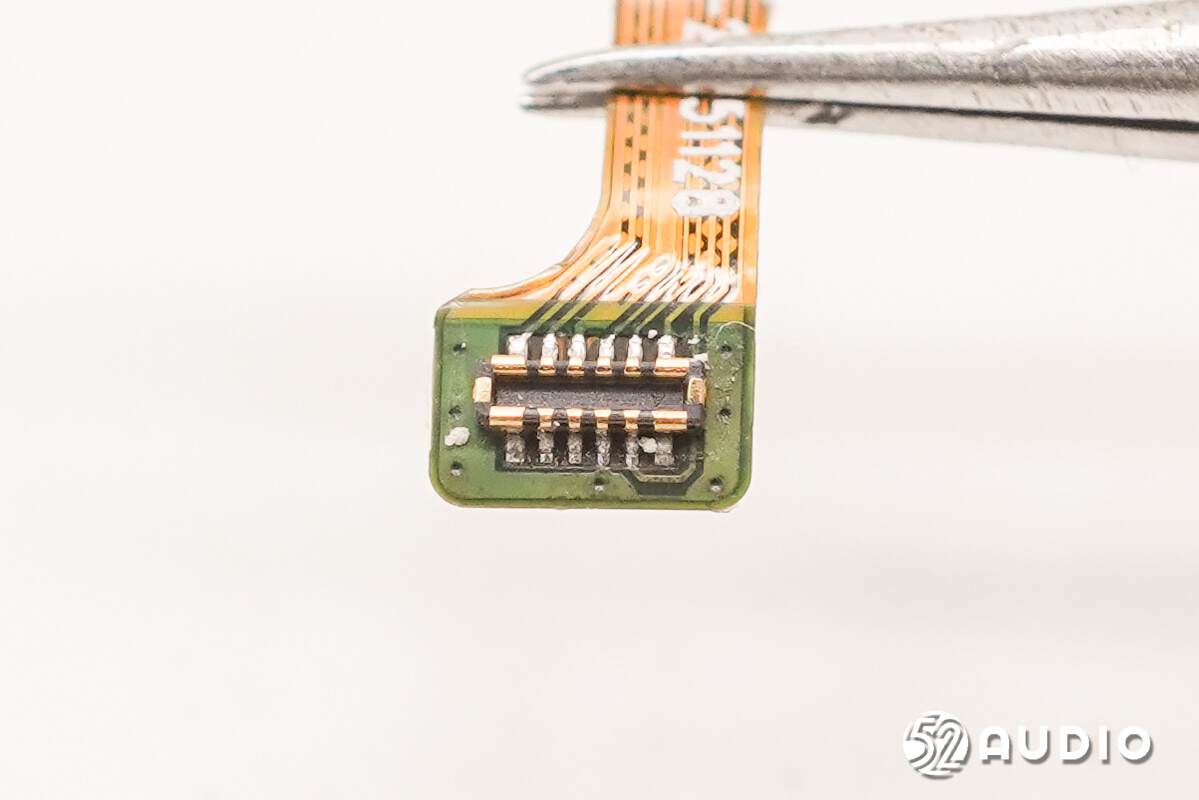
The male BTB connector connecting the microphone ribbon cable to the mainboard.
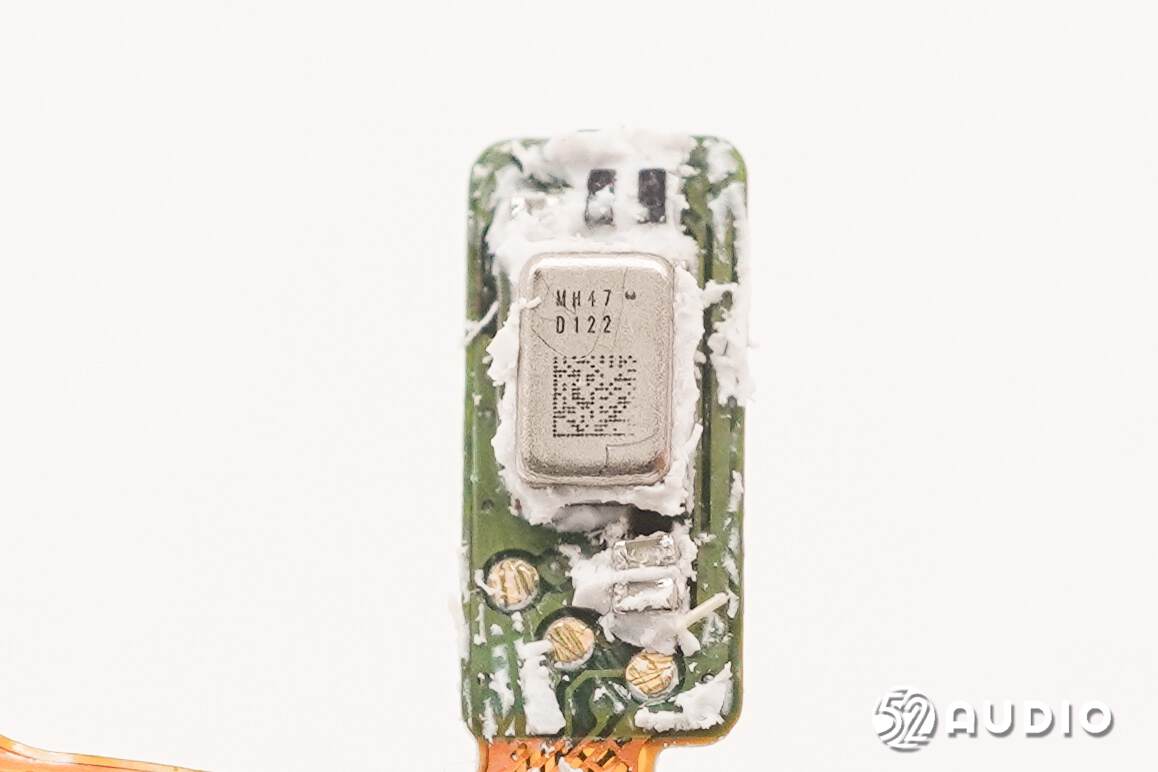
The MEMS microphone marked MH47 is from MEMSensing and is used for voice pickup during calls, AI interaction, and other functions.
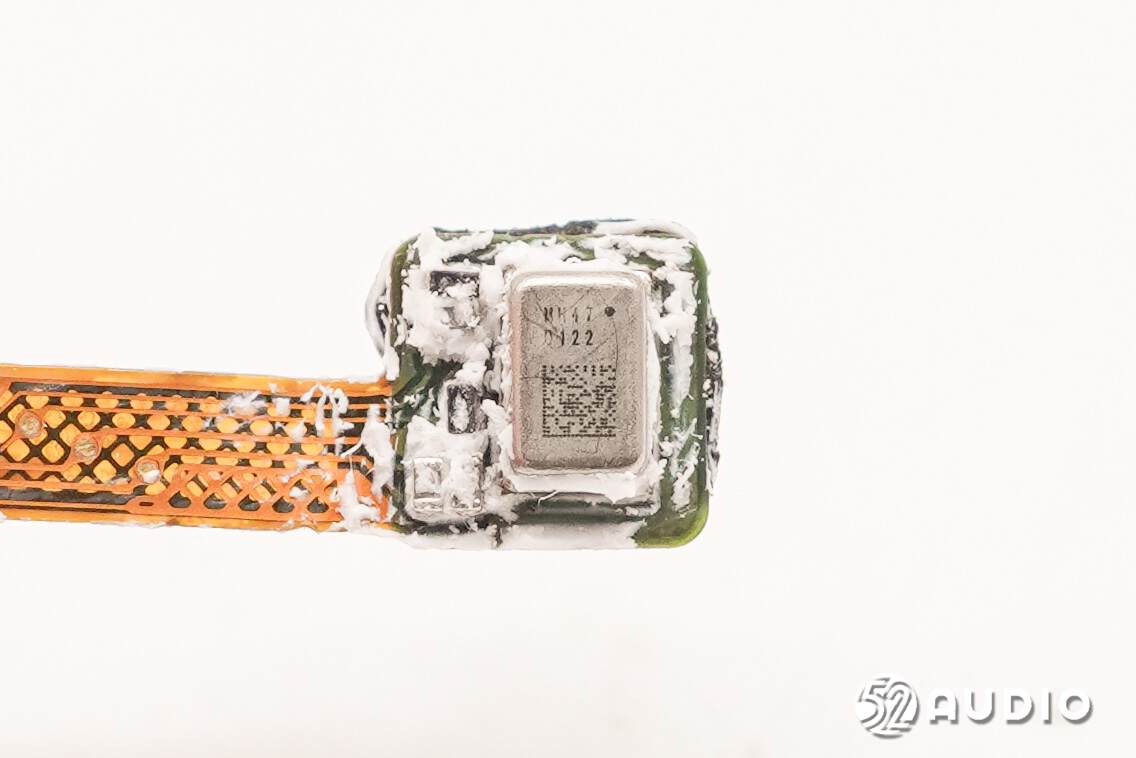
The second MEMS microphone is also marked MH47. The two microphones work together to provide more accurate sound pickup.
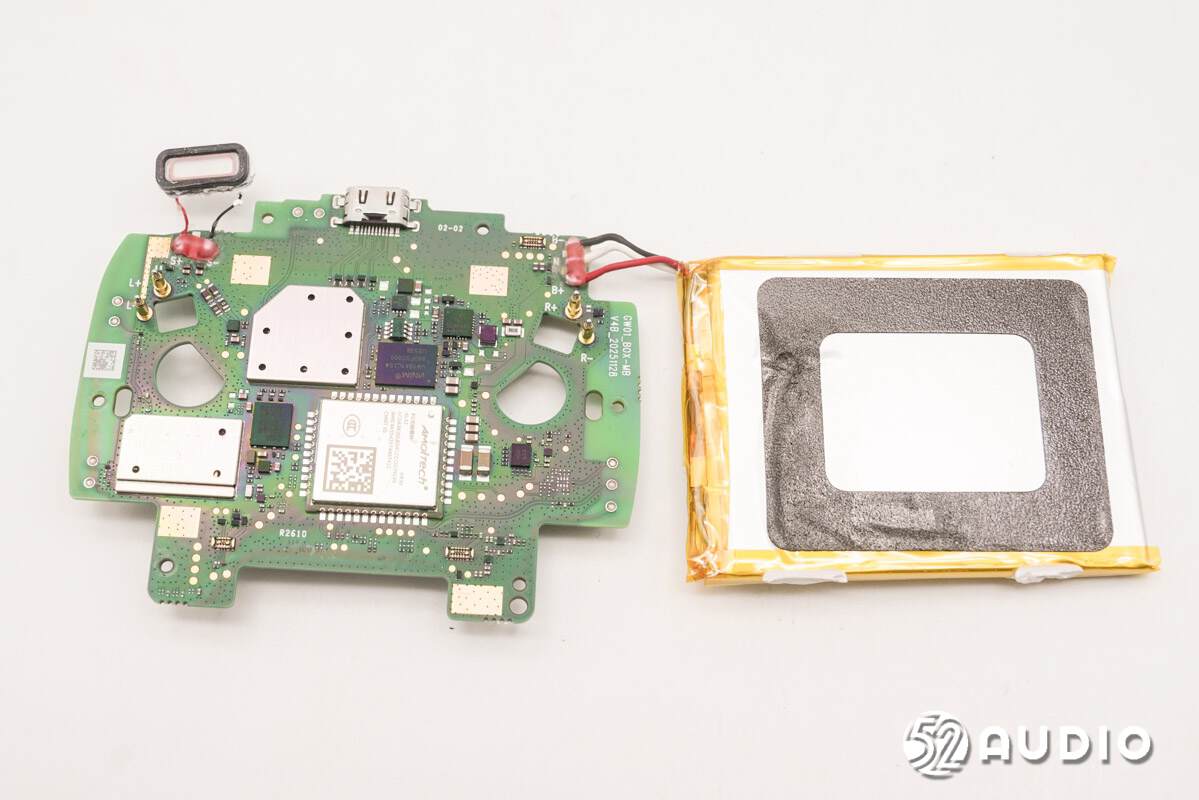
The main internal circuitry of the charging case. The battery and speaker wires are soldered to the mainboard.
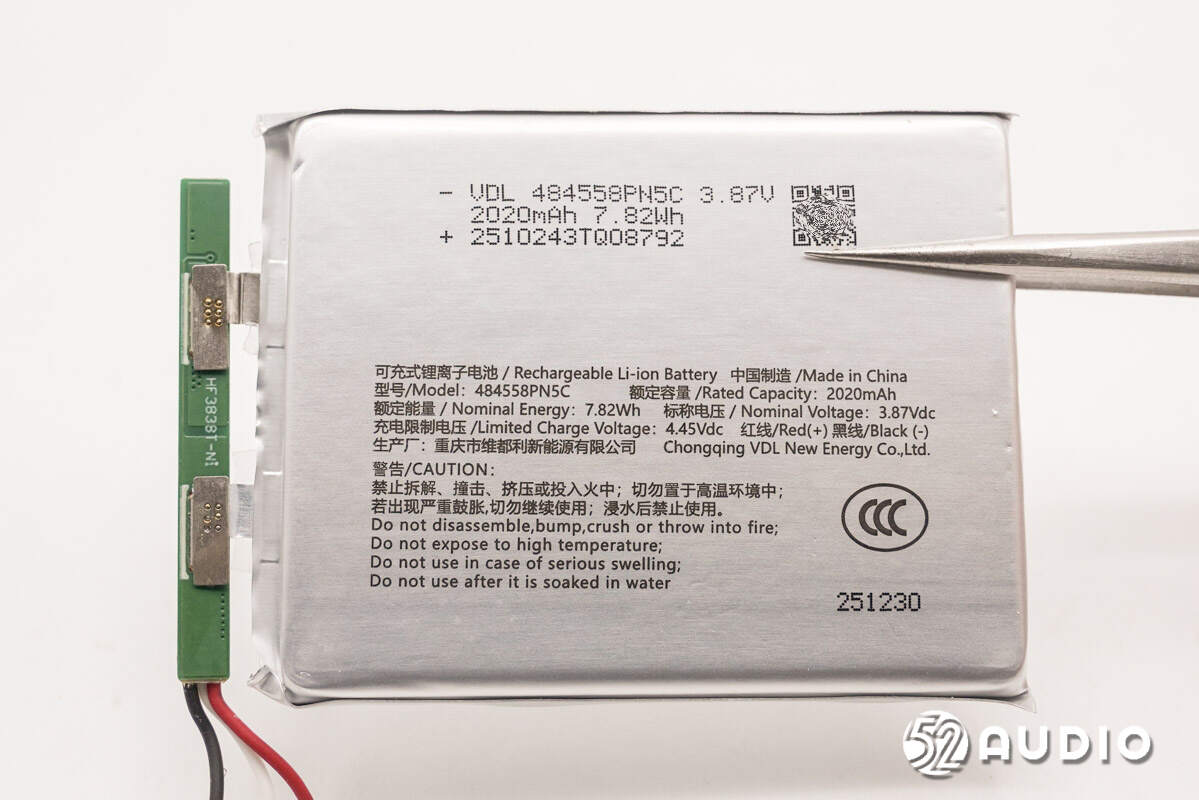
Remove the battery's insulating protection to reveal the markings on the cell. Rechargeable lithium-ion battery;
Model: 484558PN5C;
Rated Capacity: 2020 mAh;
Rated Energy: 7.82 Wh;
Nominal Voltage: 3.87 V;
Charging Voltage Limit: 4.45 V;
Manufacturer: Chongqing Weiduli New Energy Co., Ltd
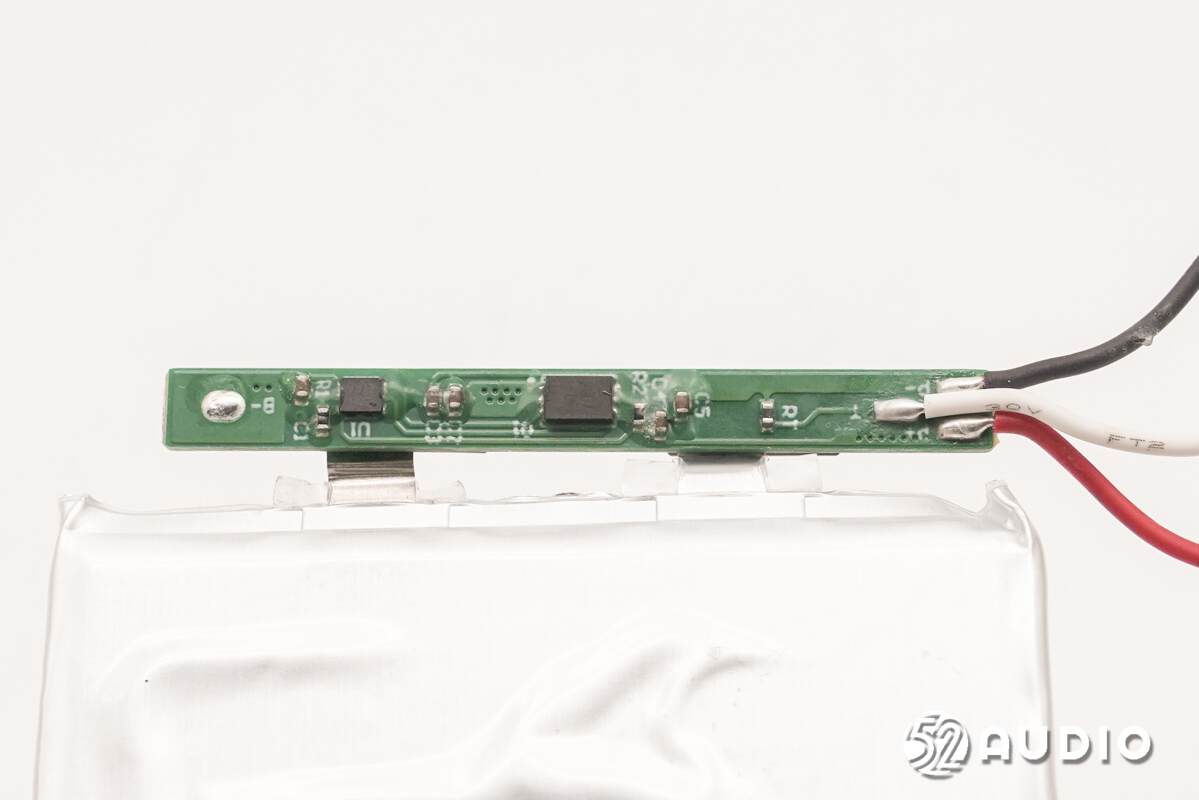
The battery protection PCB. It features a lithium battery protection IC, MOSFETs, and a thermistor for monitoring battery temperature.
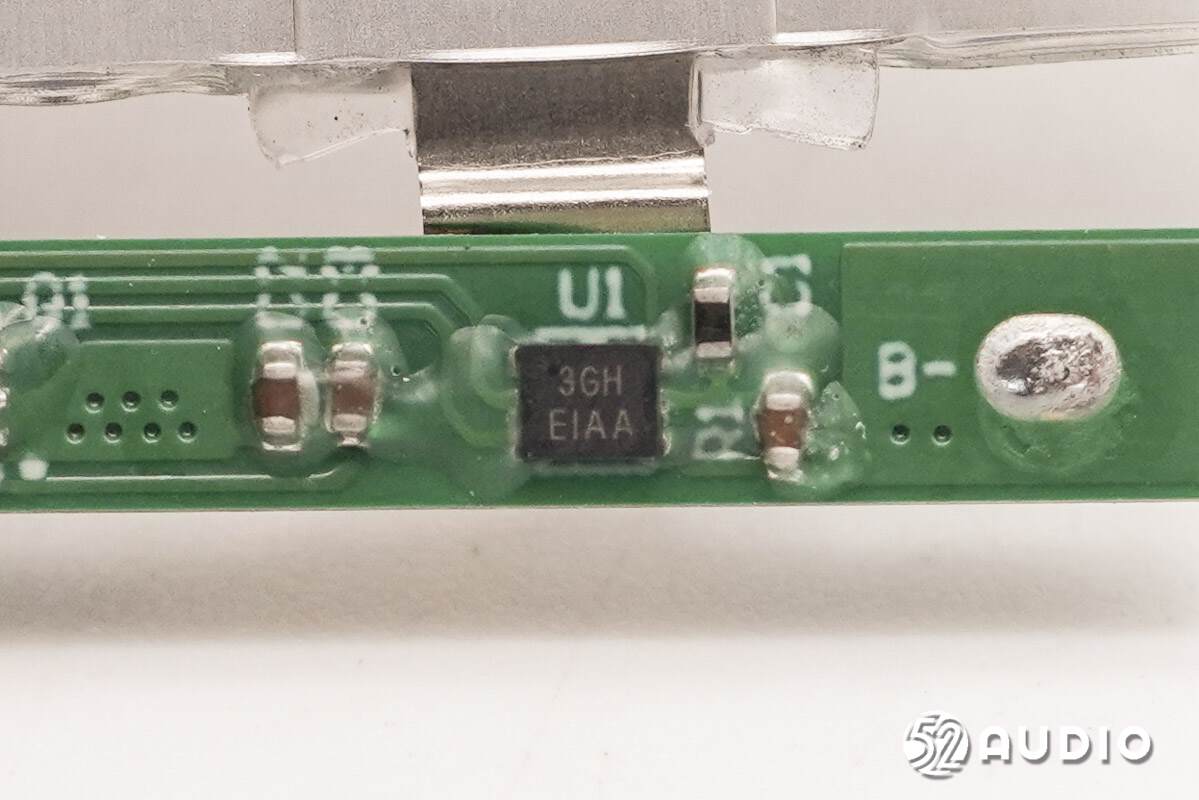
The lithium battery protection IC marked 3GH protects against overcharging, overdischarging, overcurrent, and other conditions.
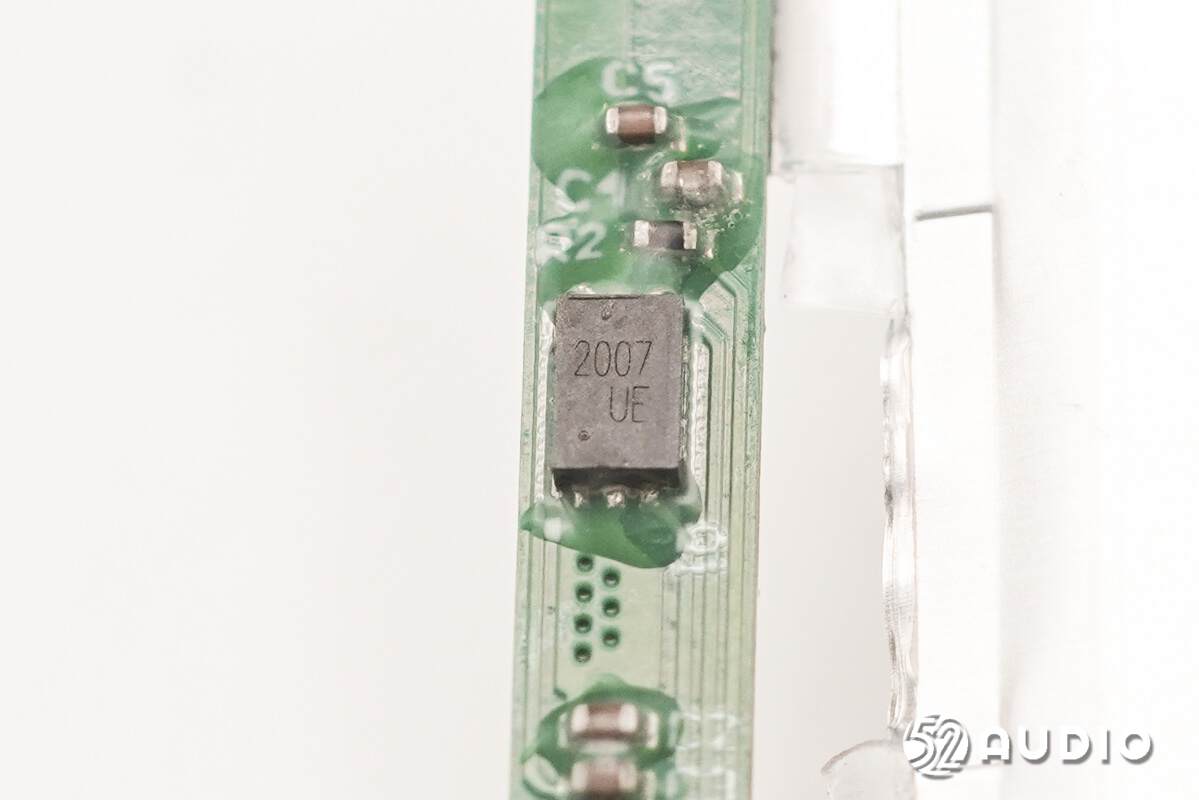
The MOSFET is marked 2007 UE.
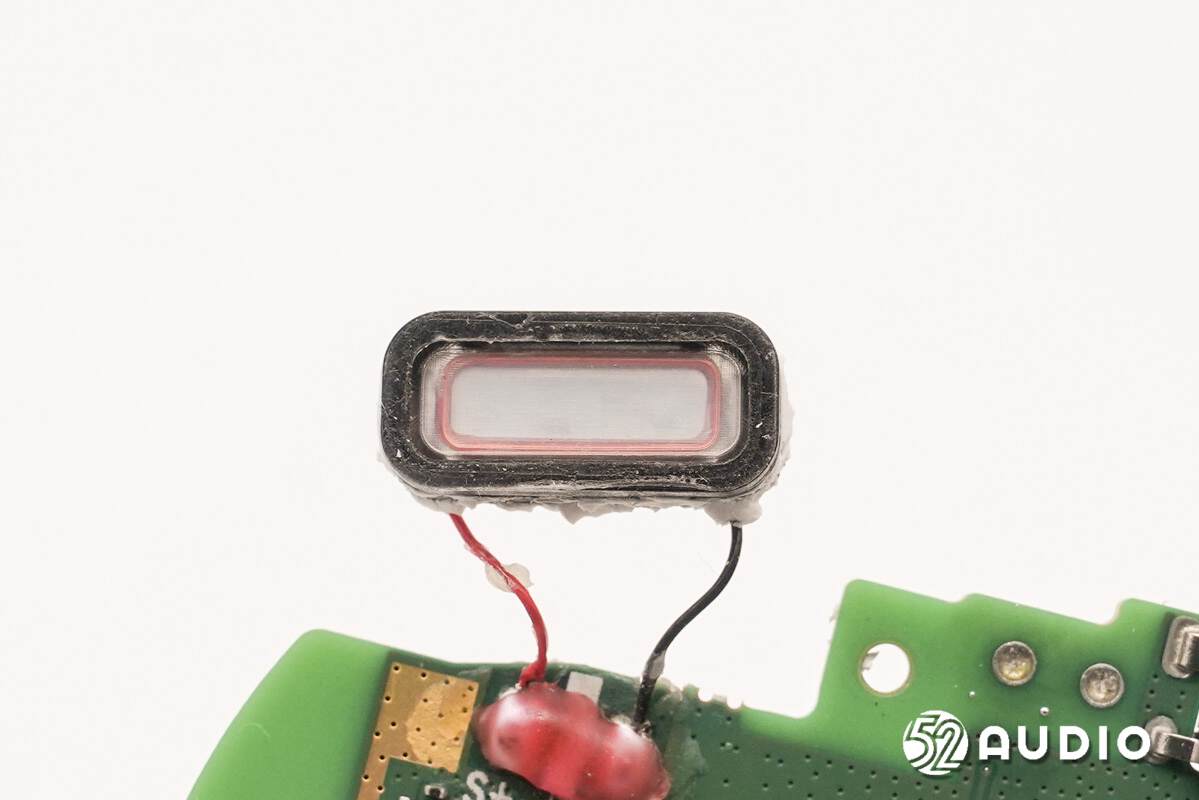
The rectangular speaker is installed inside the charging case.
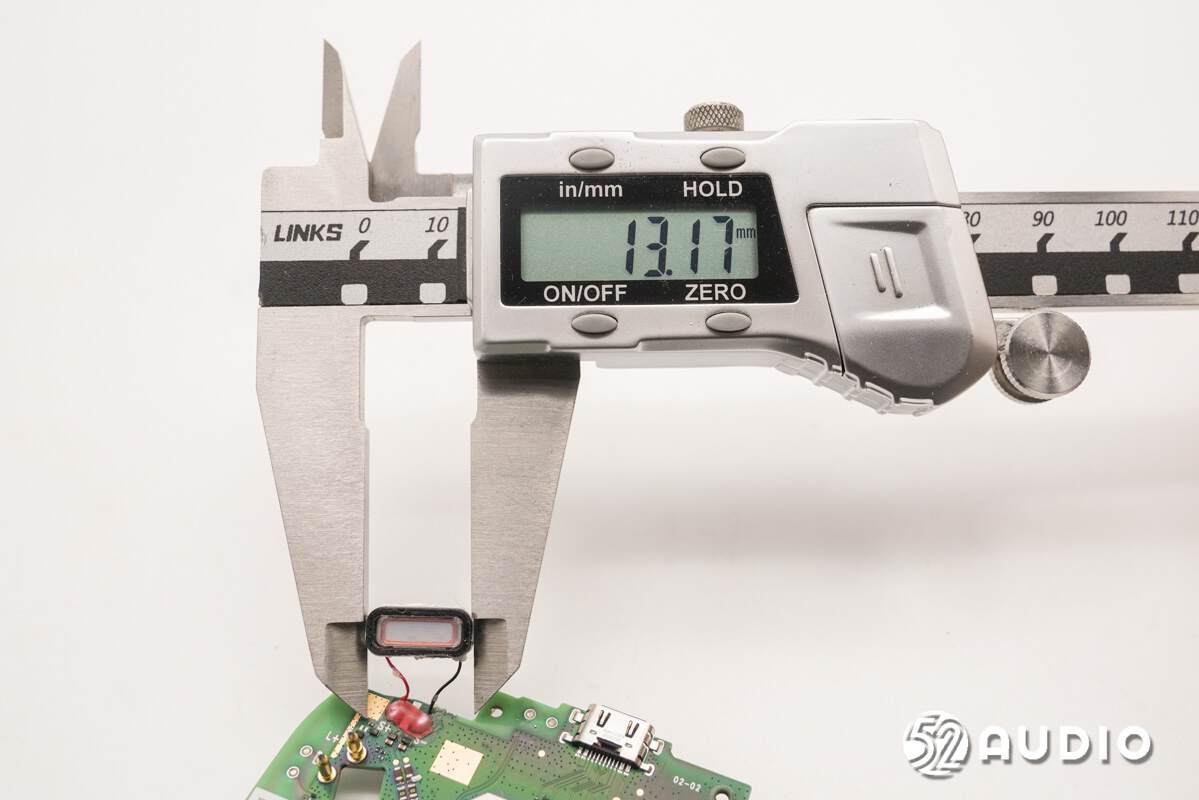
According to measurements by 52 AUDIO, the speaker measures approximately 13.17 mm (0.518 inches) in length.
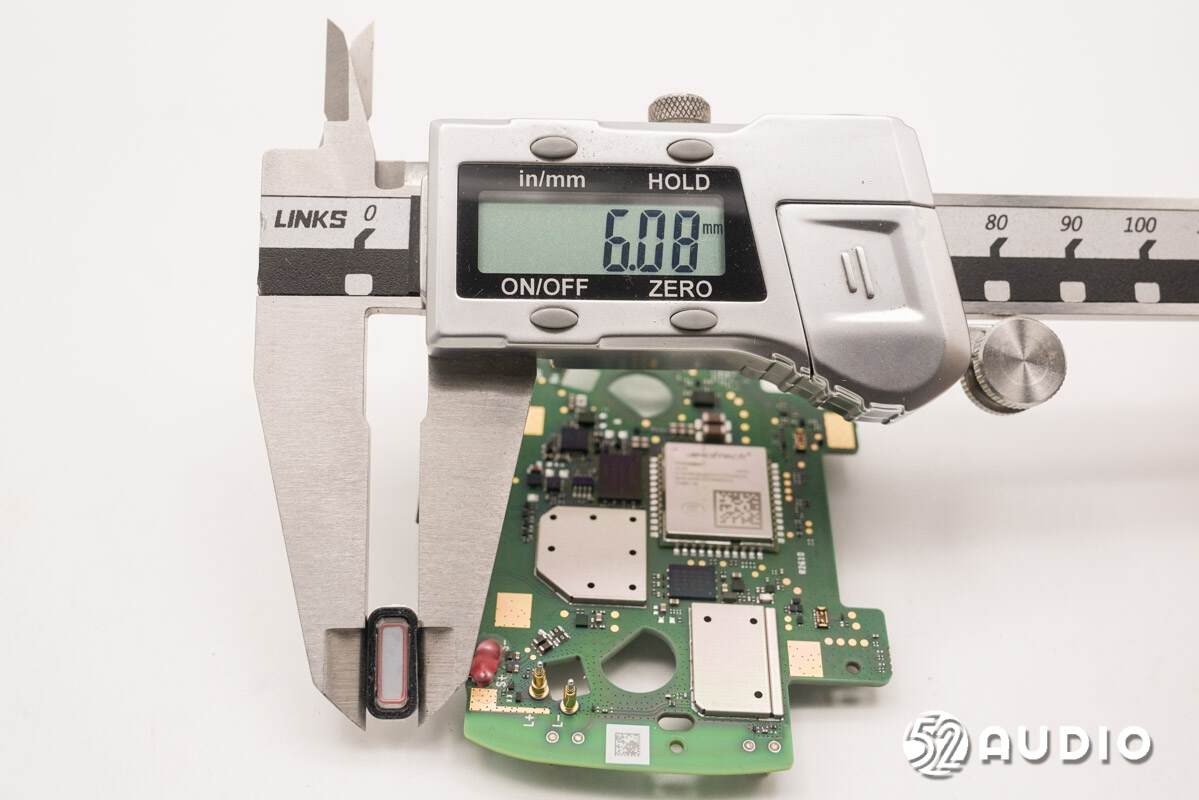
The speaker measures approximately 6.08 mm (0.239 inches) in width.
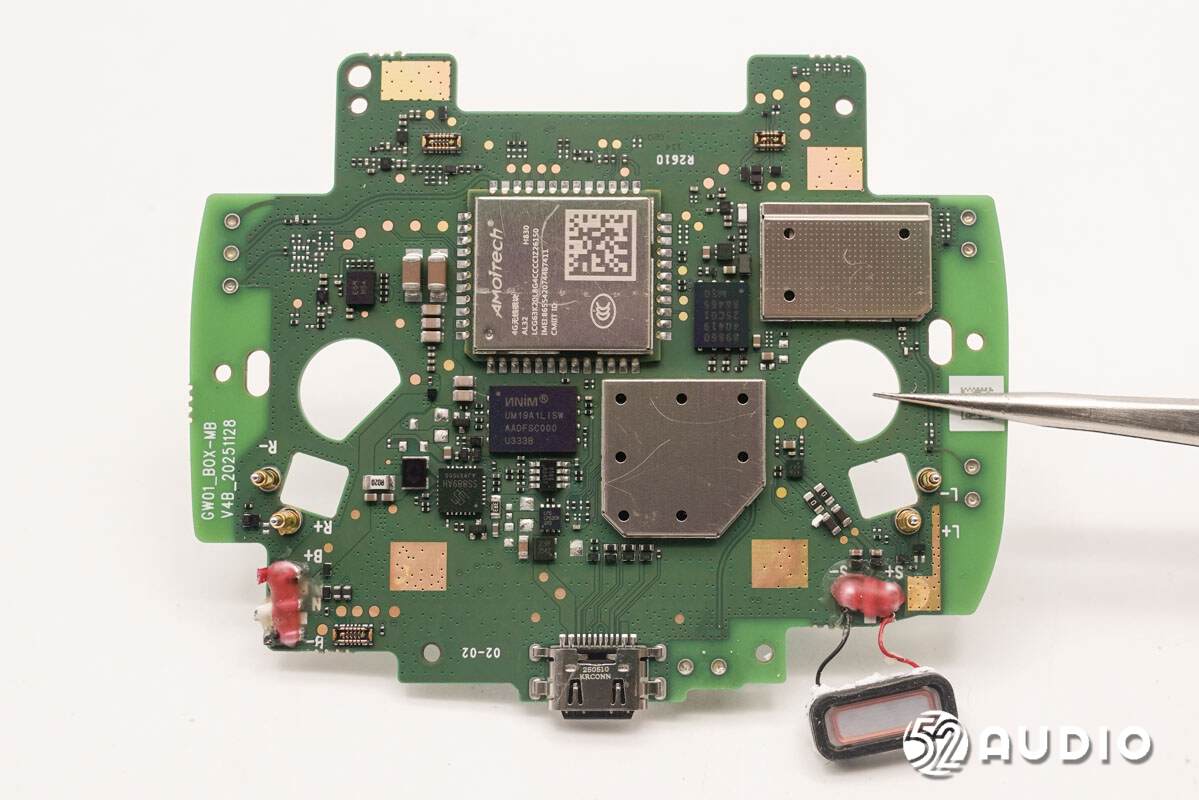
A look at one side of the charging case mainboard. All wireless communication modules are protected by shielding cans.
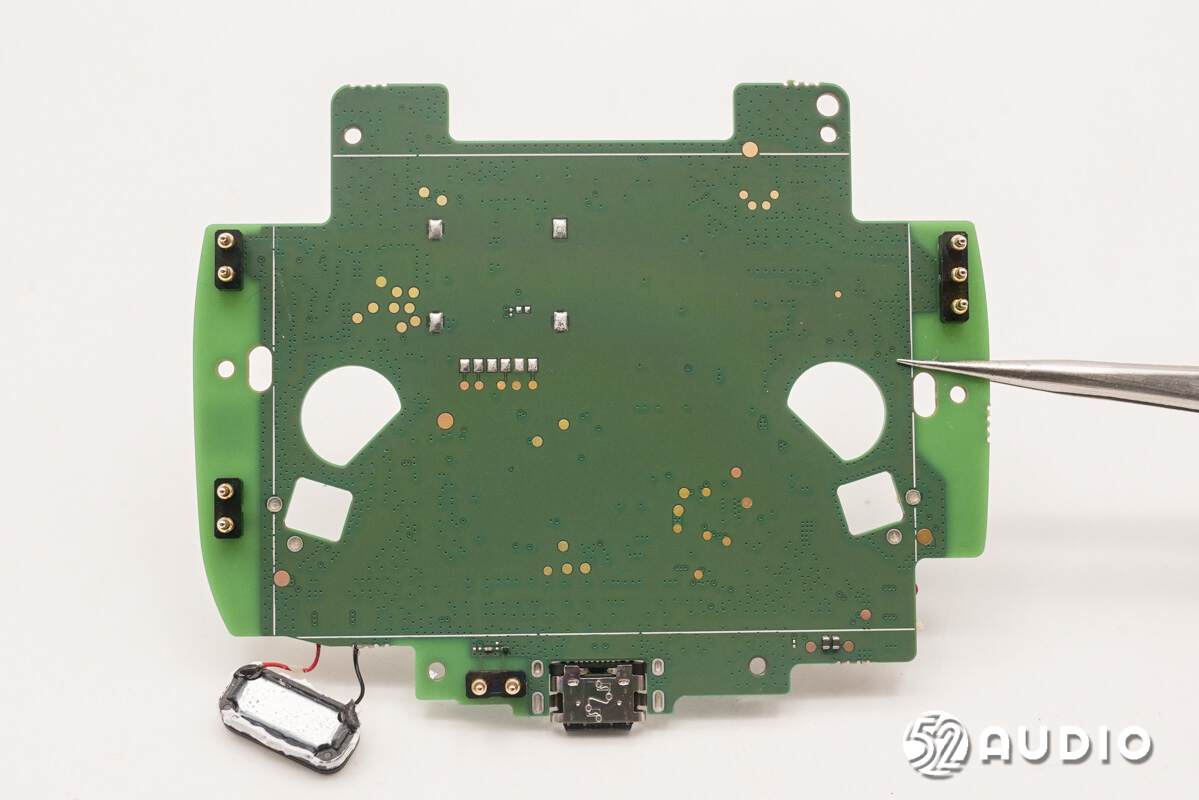
The other side of the charging case mainboard. Pogo pin connectors for the antennas are arranged around its perimeter.
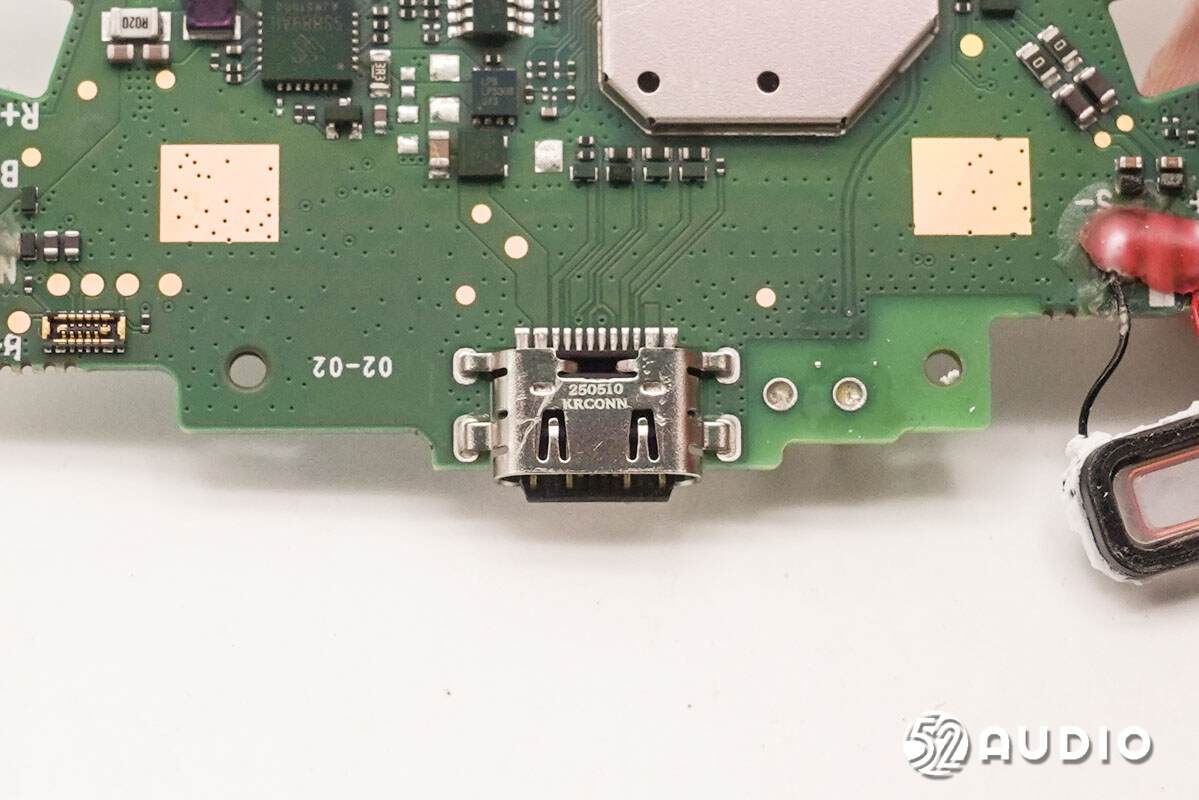
The USB-C charging receptacle from KRCONN (Shenzhen Krconn Technology Co., Ltd.).
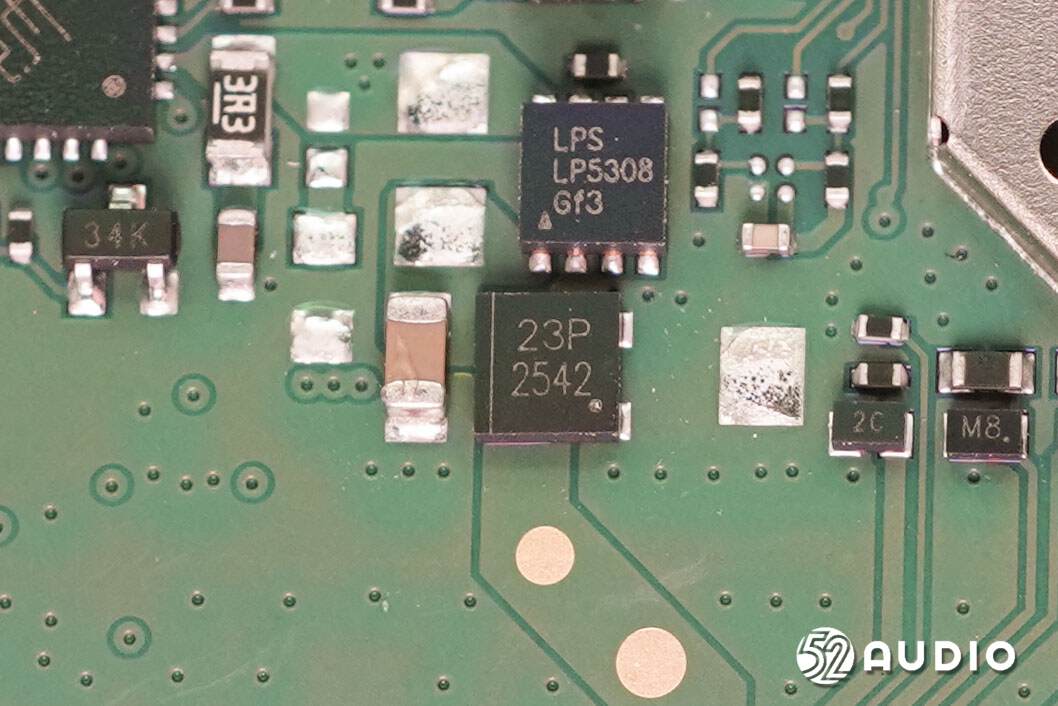
The TVS diode marked 23P provides input overvoltage protection.
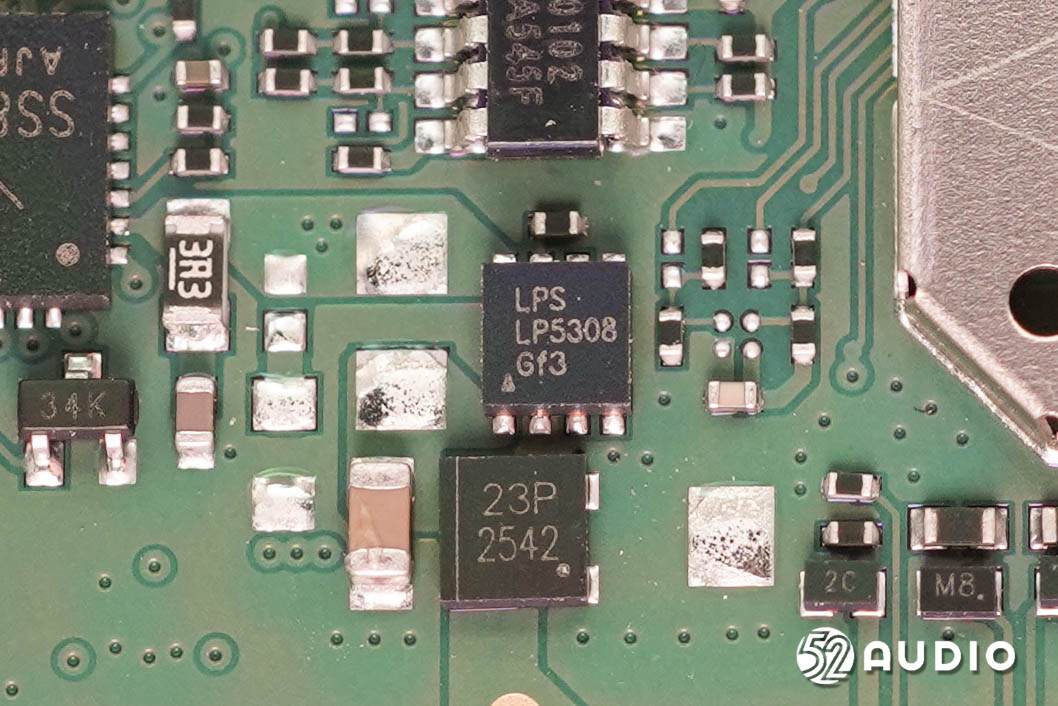
The LPS LP5308 overvoltage and overcurrent protection IC has a voltage withstand rating of up to 36 V and an input overvoltage protection response time of 40 ns.
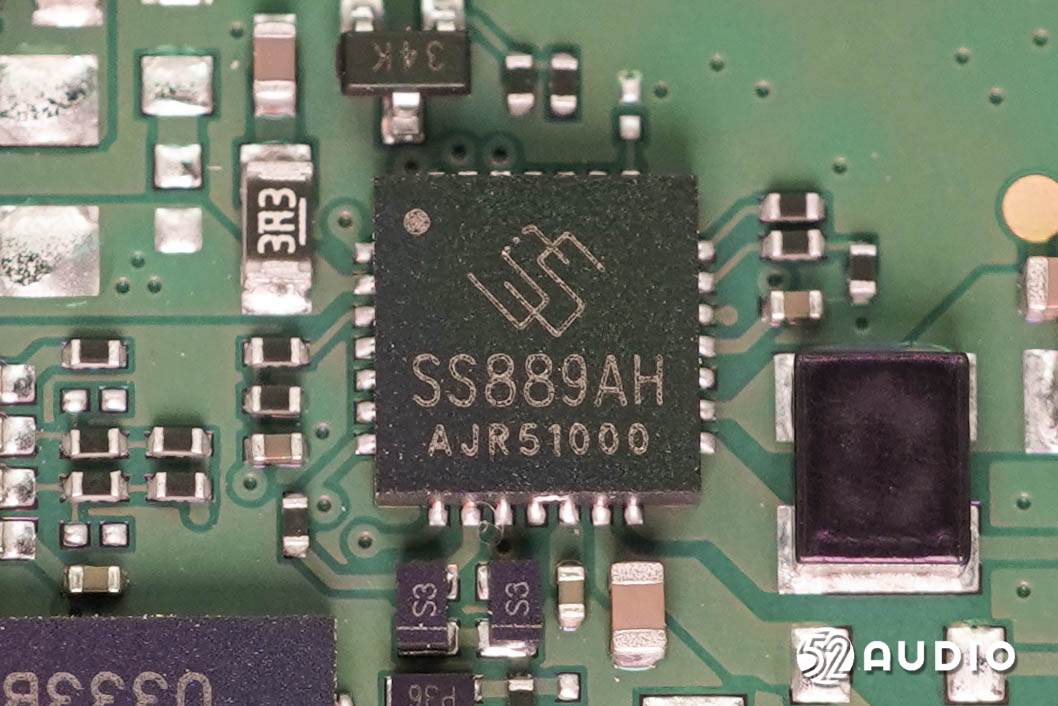
The SinhMicro SS889AH is a fully integrated TWS power management MCU featuring a 1.6 A switching charger, an 800 mA boost output, and an integrated power management unit.
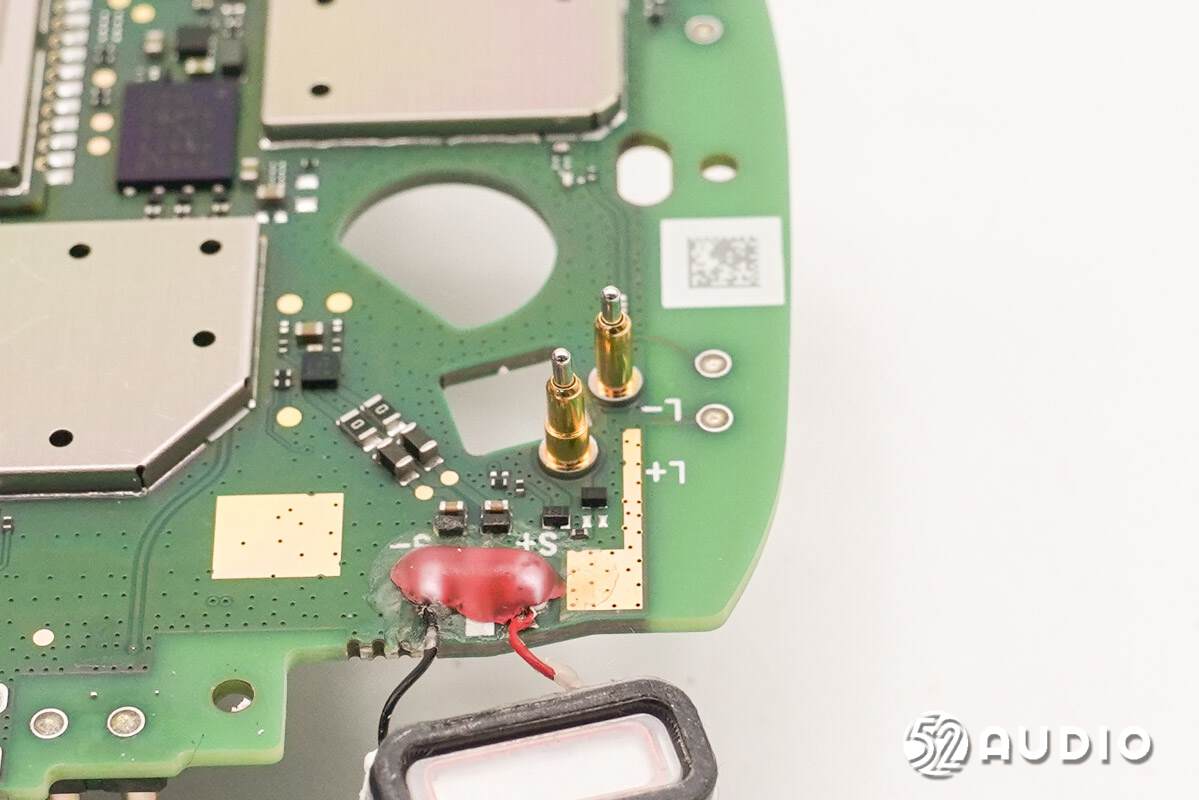
The pogo pin connectors used to charge the earbuds. Two sets are provided, one for each earbud.
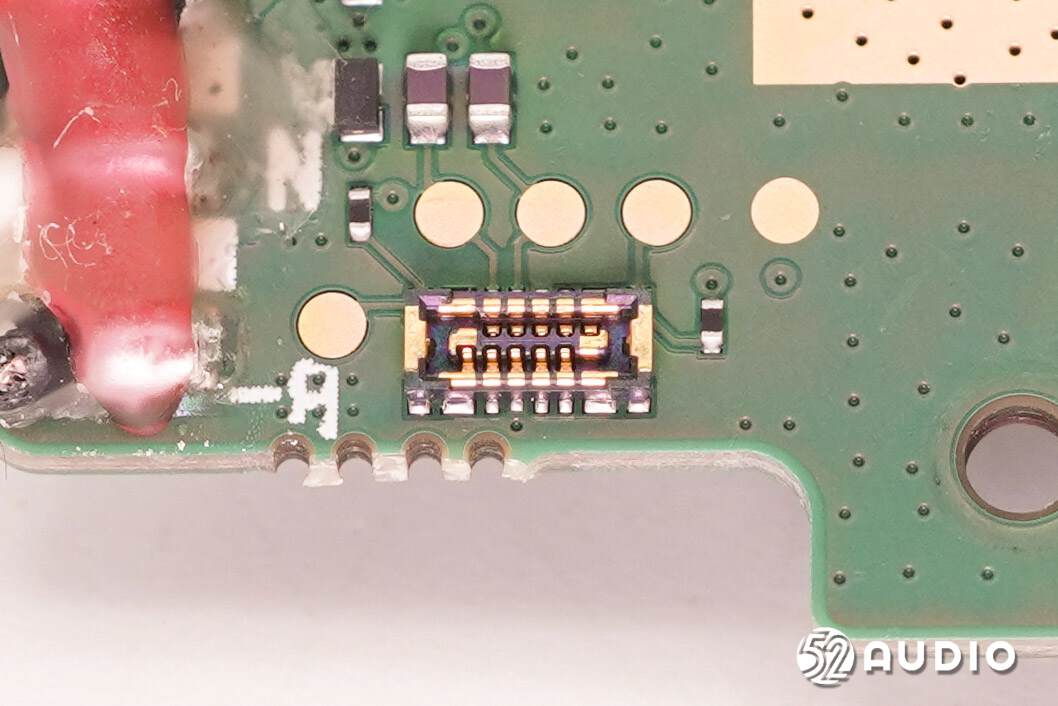
The female BTB connector for the microphone ribbon cable.
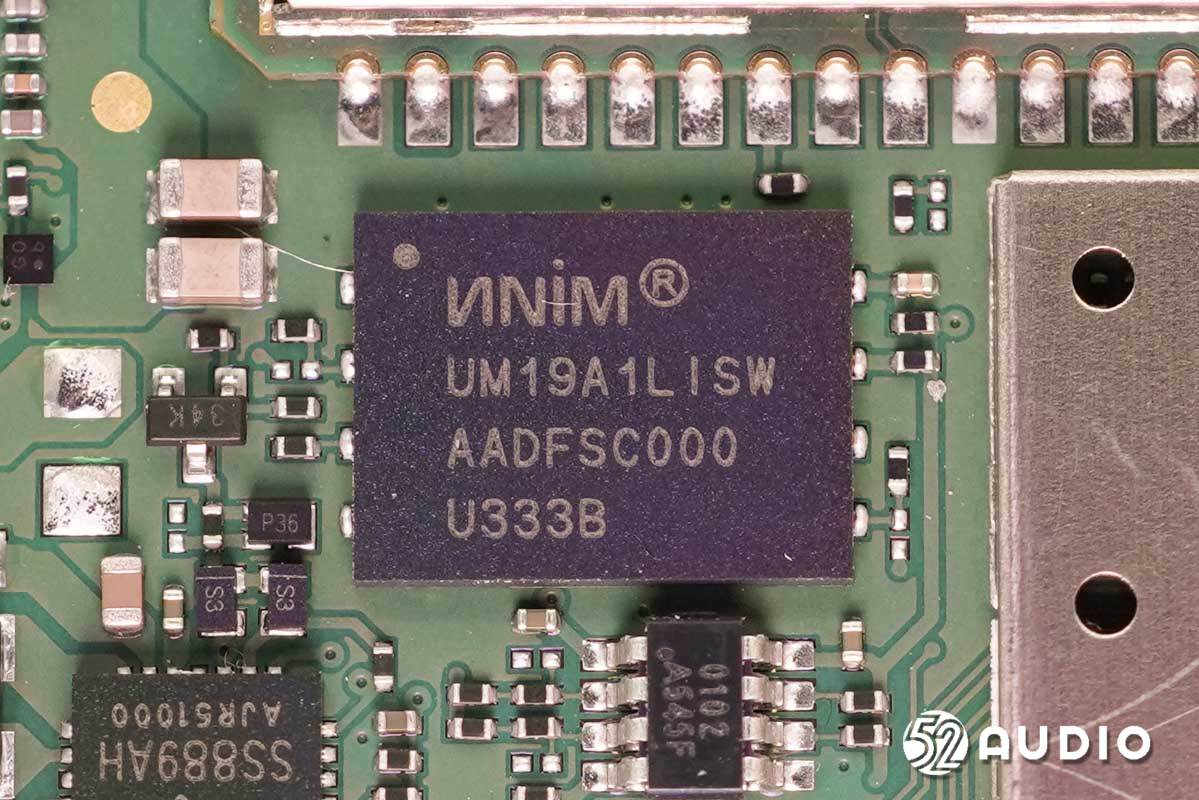
The UNiM UM19A1LISW SLC NAND flash memory has a capacity of 2 Gb. It features high reliability, low power consumption, and excellent read/write performance, making it suitable for a wide range of applications from consumer to industrial products.
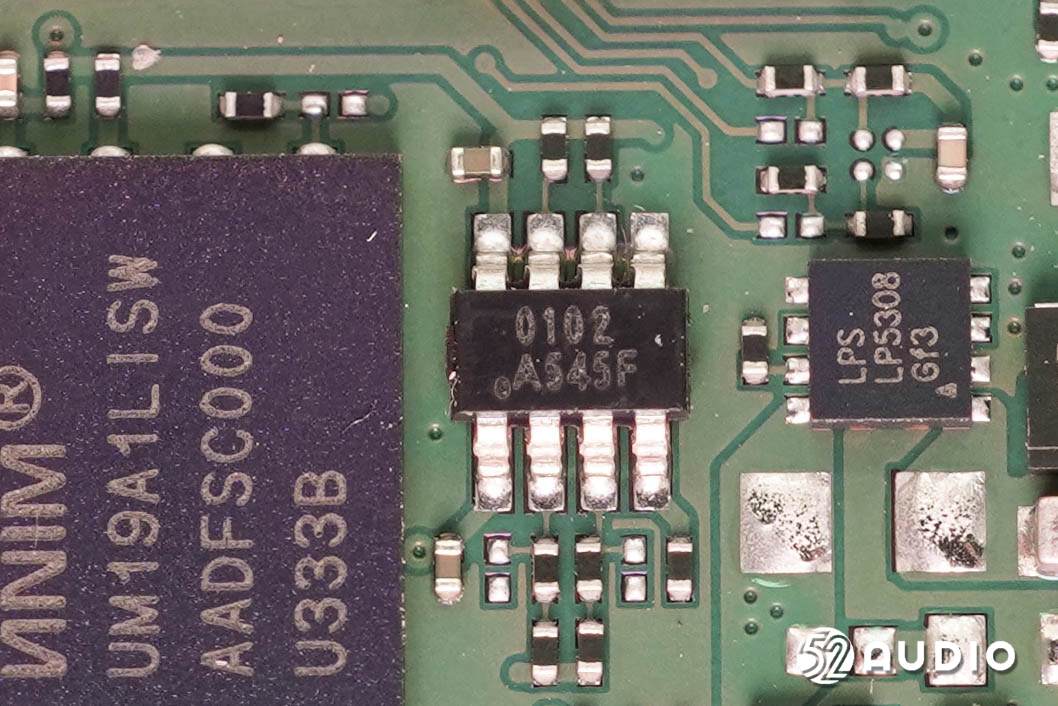
The IC marked 0102.
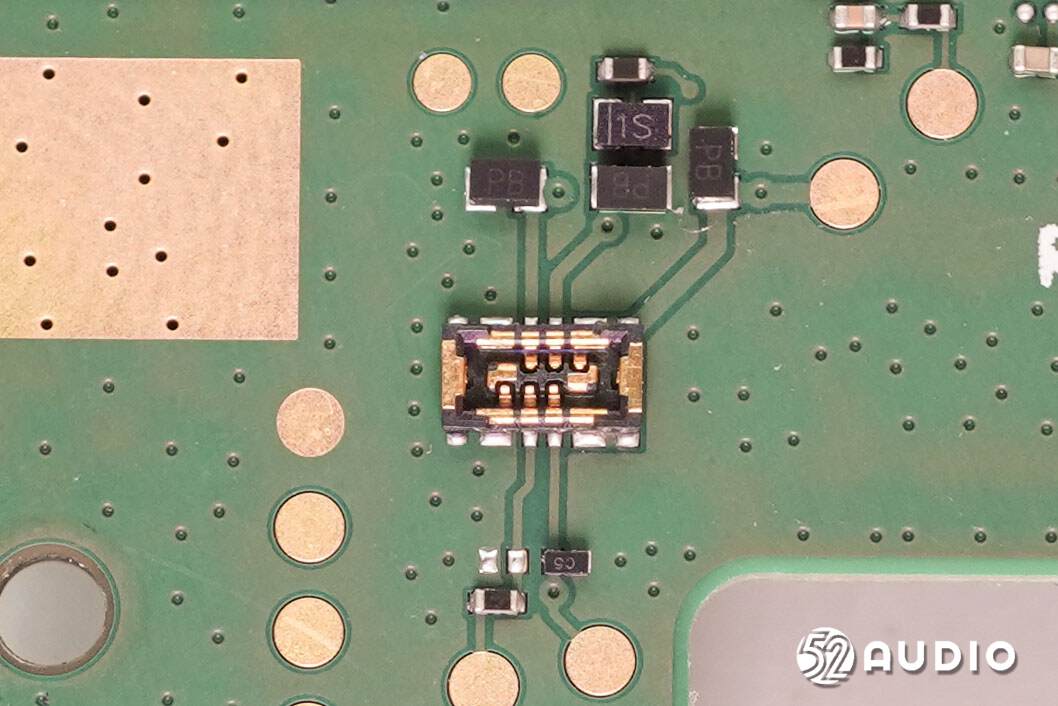
The female BTB connector for the indicator light ribbon cable.
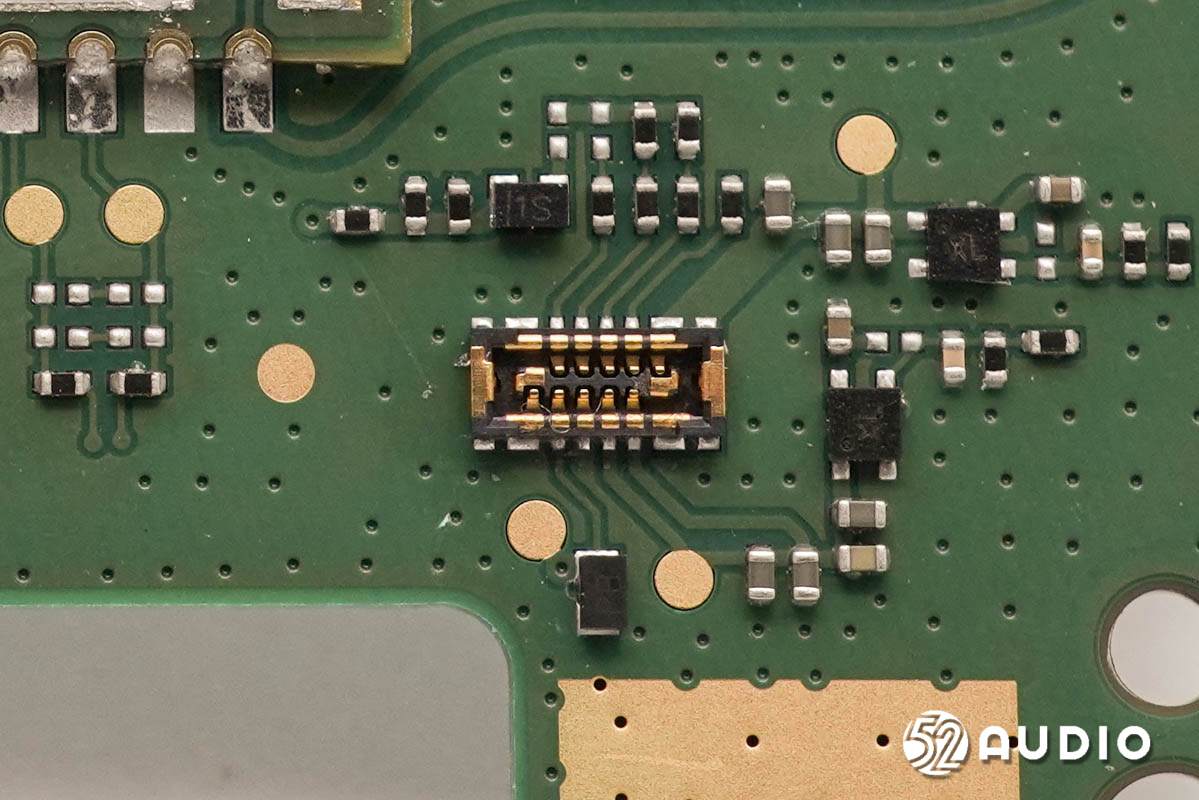
The female BTB connector for the function button ribbon cable.
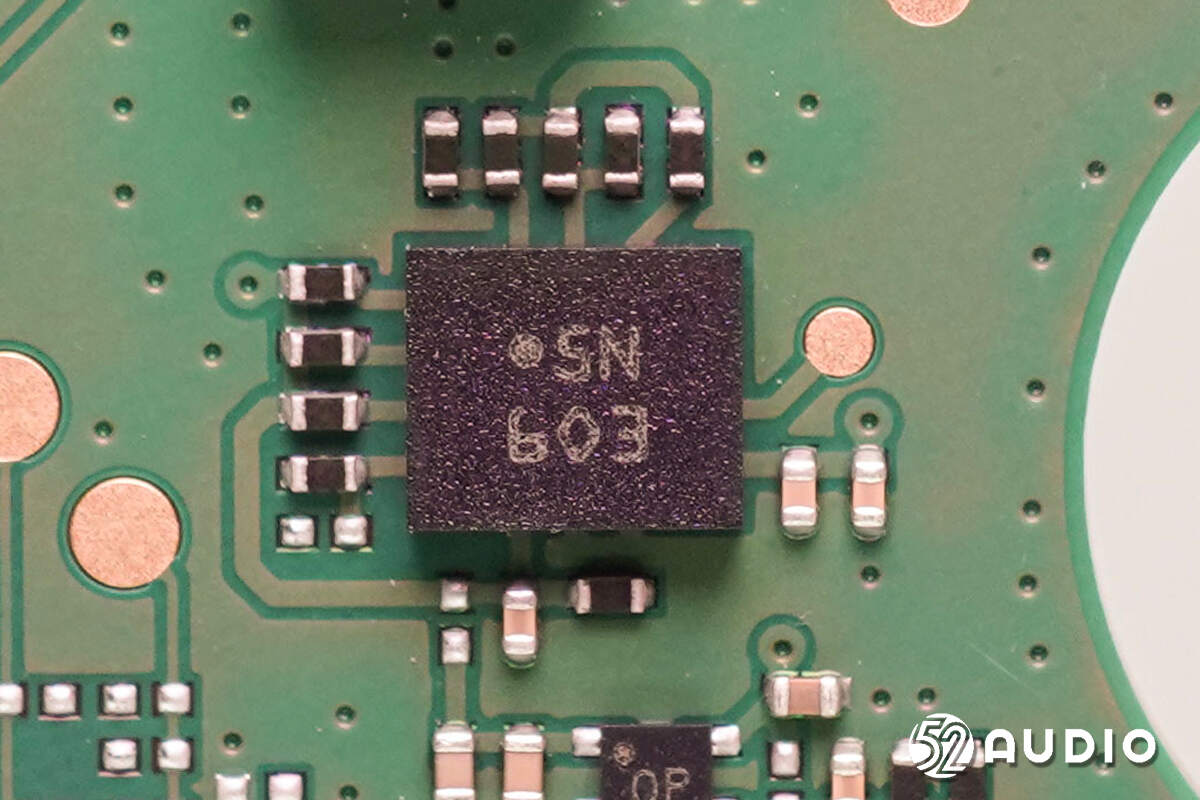
The IC marked SN 603.
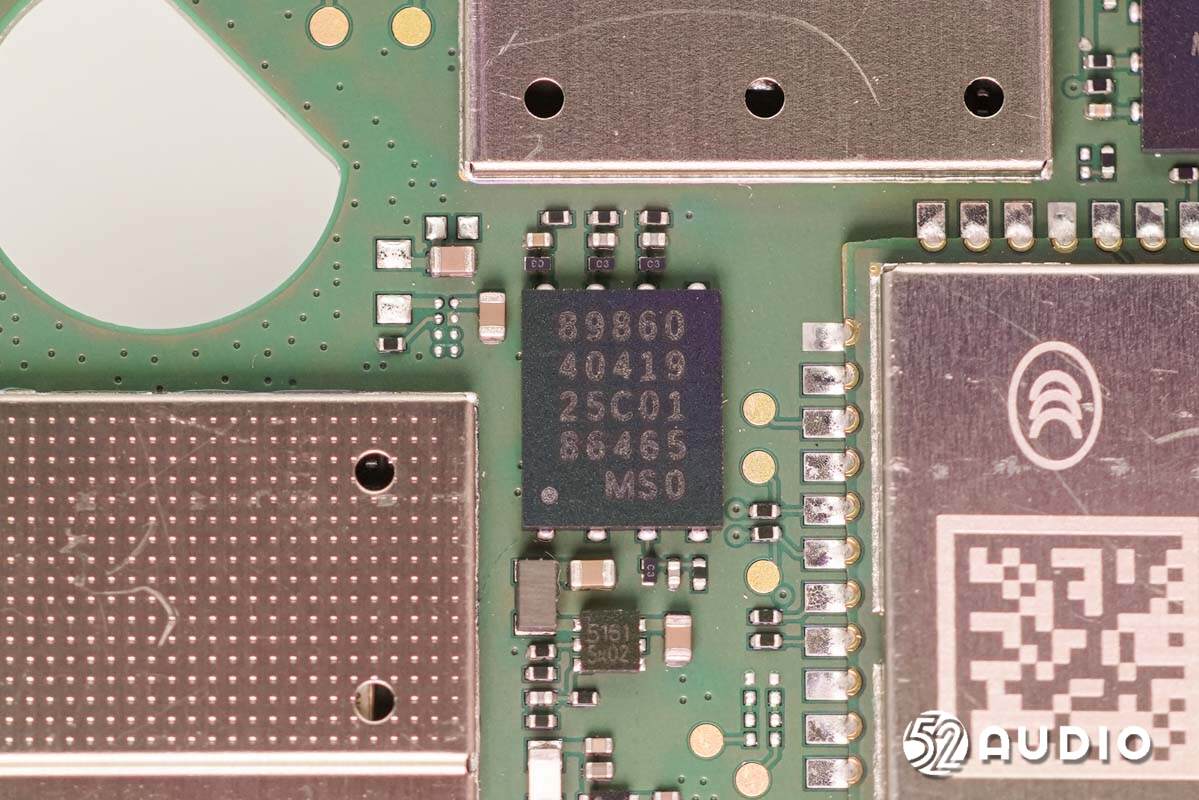
The eSIM chip marked 89860 supports 4G networks.
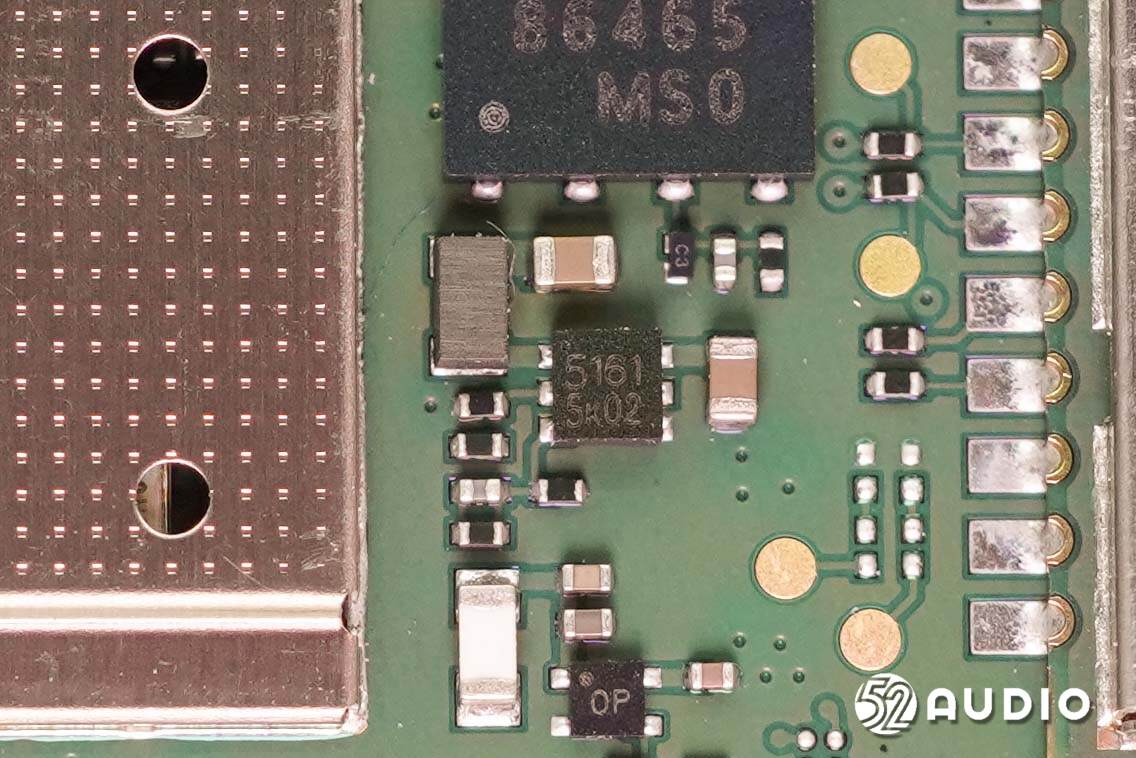
The IC marked 5161.
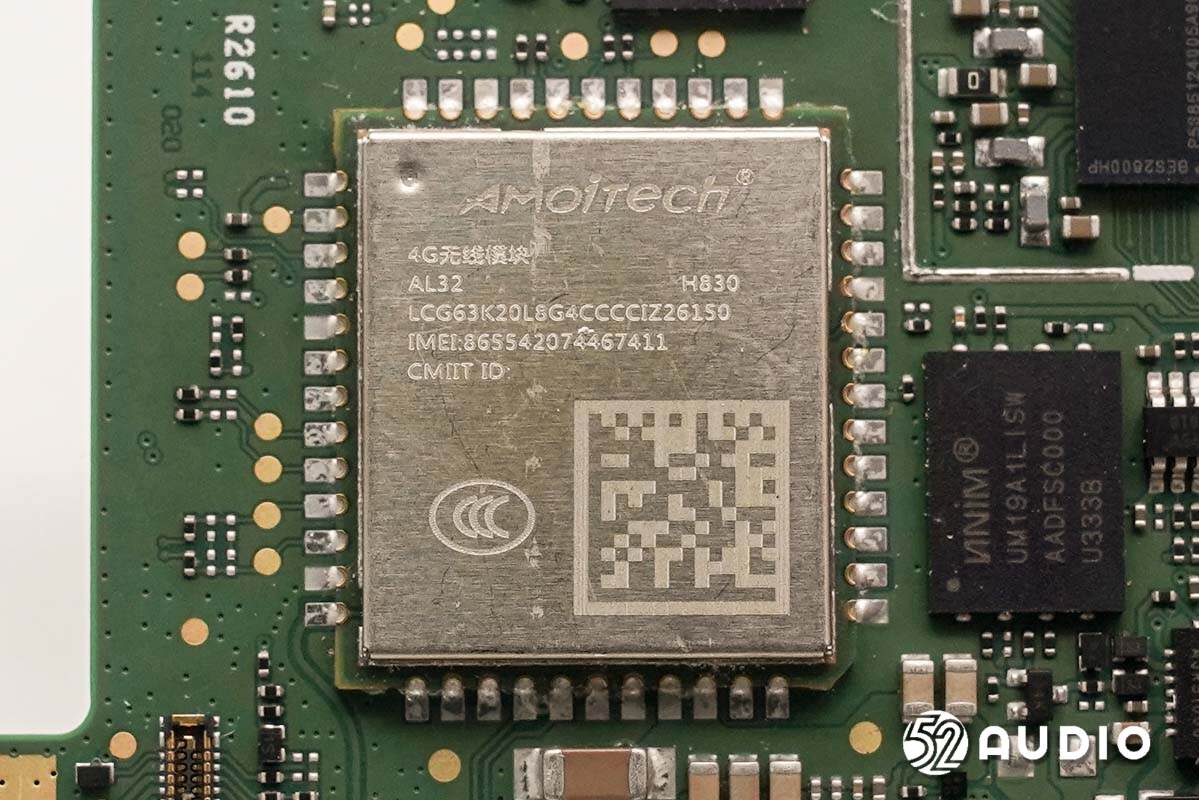
The 4G wireless module, which uses a castellated module design.
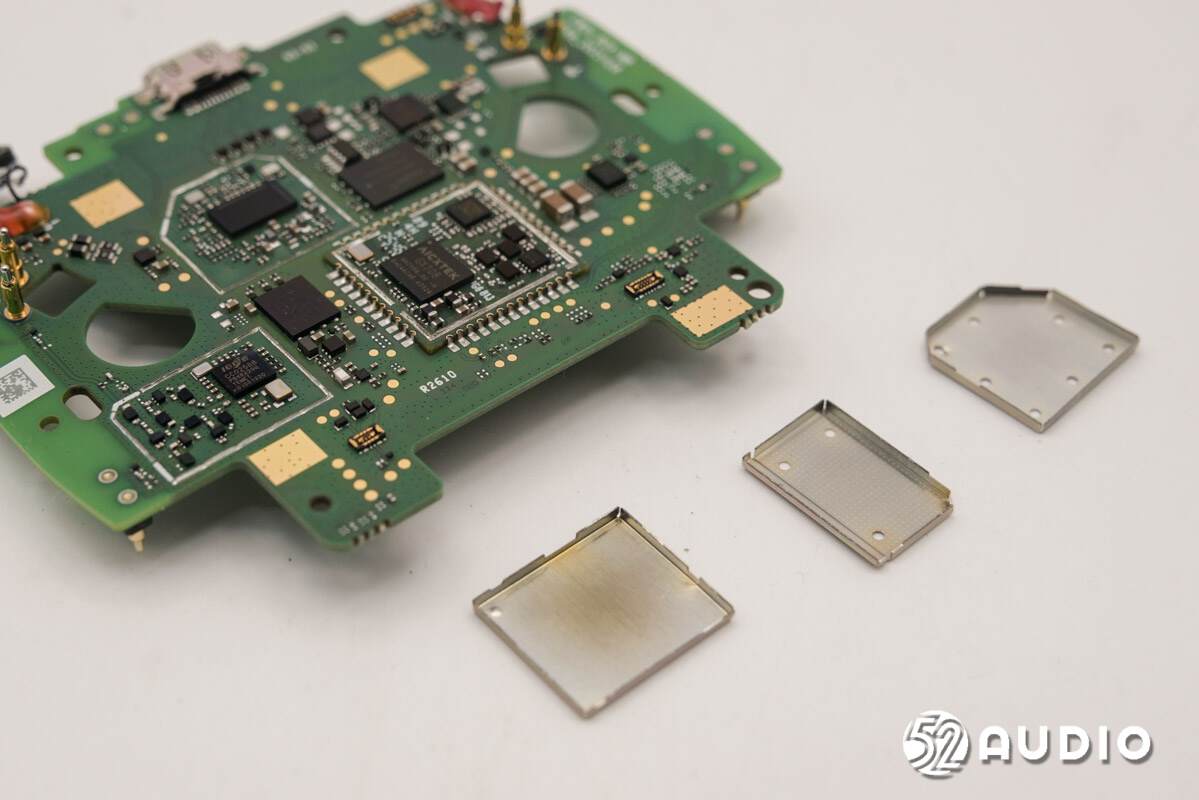
Remove all the shielding cans from the mainboard.
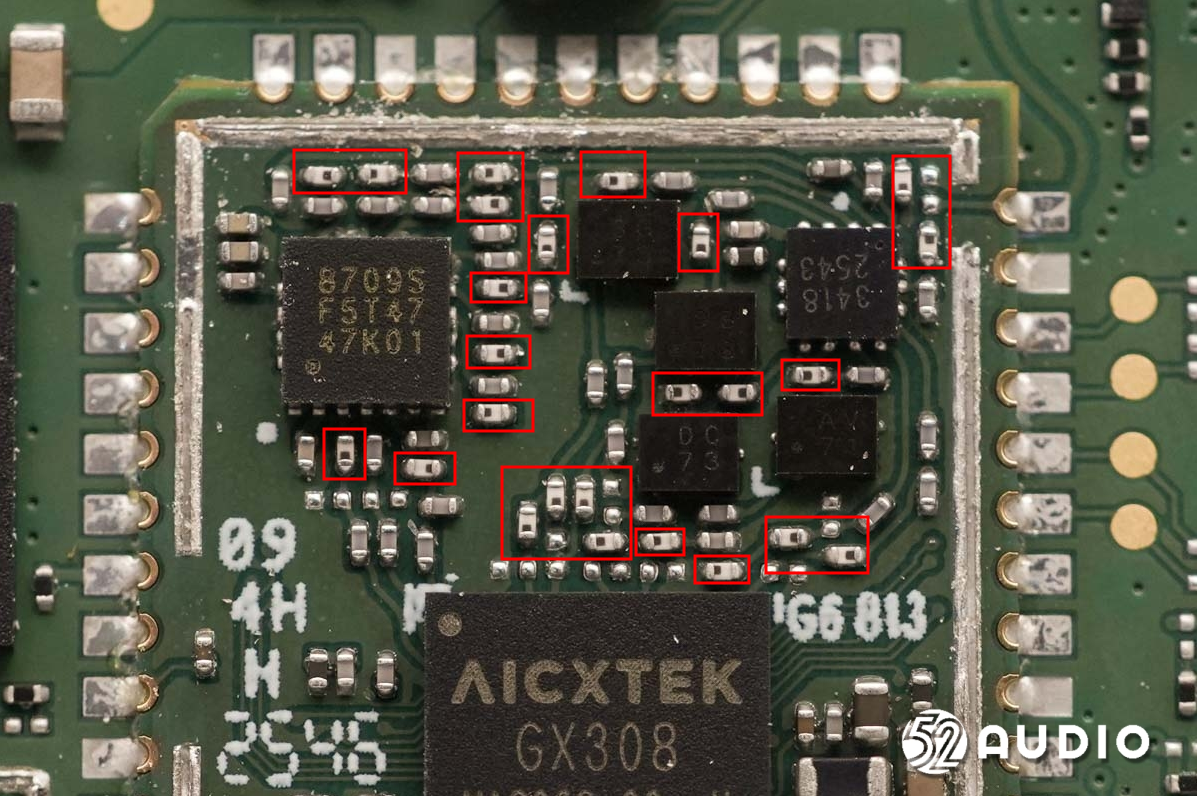
The circuitry of the 4G wireless module. It uses a large number of Sunlord SDCL0603Q series multilayer ceramic inductors. Through carefully designed coils and electrodes, this series achieves a high Q factor and high self-resonant frequency (SRF). Manufactured using a multilayer dry process, the inductors offer high precision and consistency to meet the stringent requirements of precision electronic components.
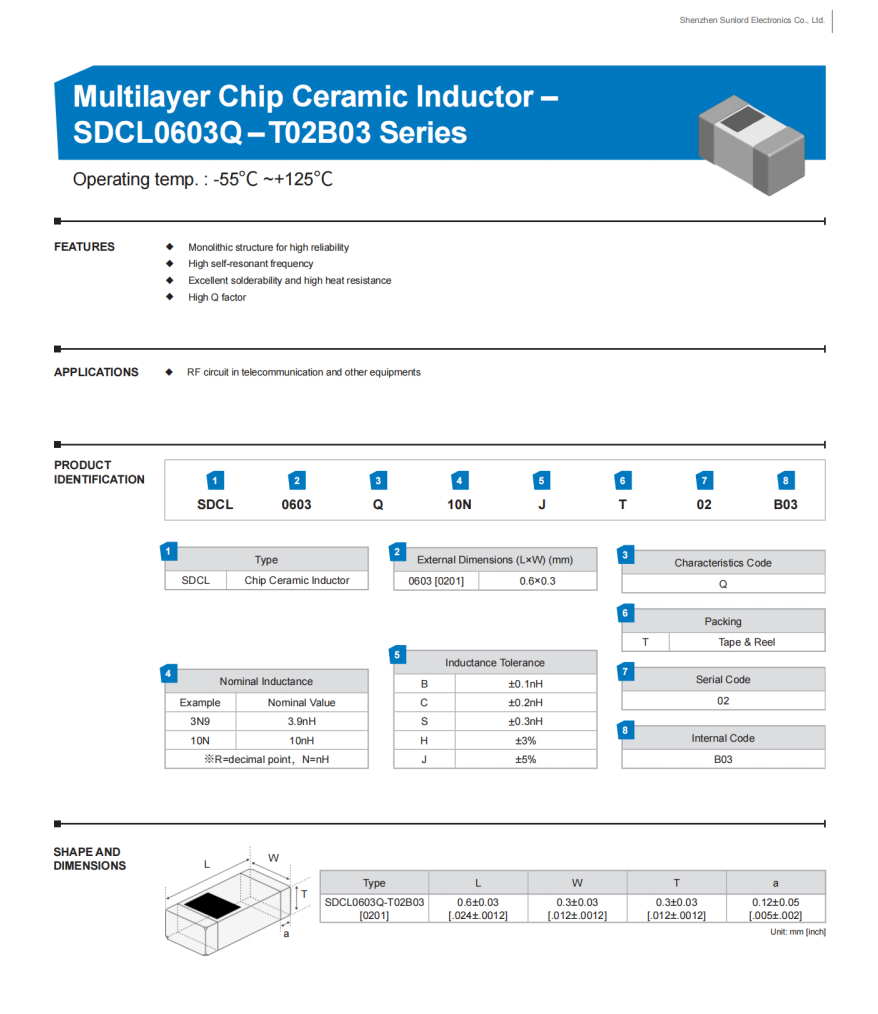
Detailed specifications for the Sunlord SDCL0603Q-T02B03 series are shown above. Based on teardowns conducted by 52 AUDIO, Sunlord inductors have been used by numerous brands, including HUAWEI, Mentech, Rayneo, Xiaomi, OPPO, vivo, Lenovo, Audio-Technica, REDMI, Edifier, iKF, Sharge, beyerdynamic, JBL, Sennheiser, UGREEN, HONOR, Baseus, QCY, Okii, XISEM, Haomuren, Amazfit, NOTHING, MACHENIKE, Plaud, Razer, Philips, Looktech, EarFun, SOUNDPEATS, RoseSelsa, Rapoo, OVEVO, iTour, Jsoul, Langogo, and Tourace.
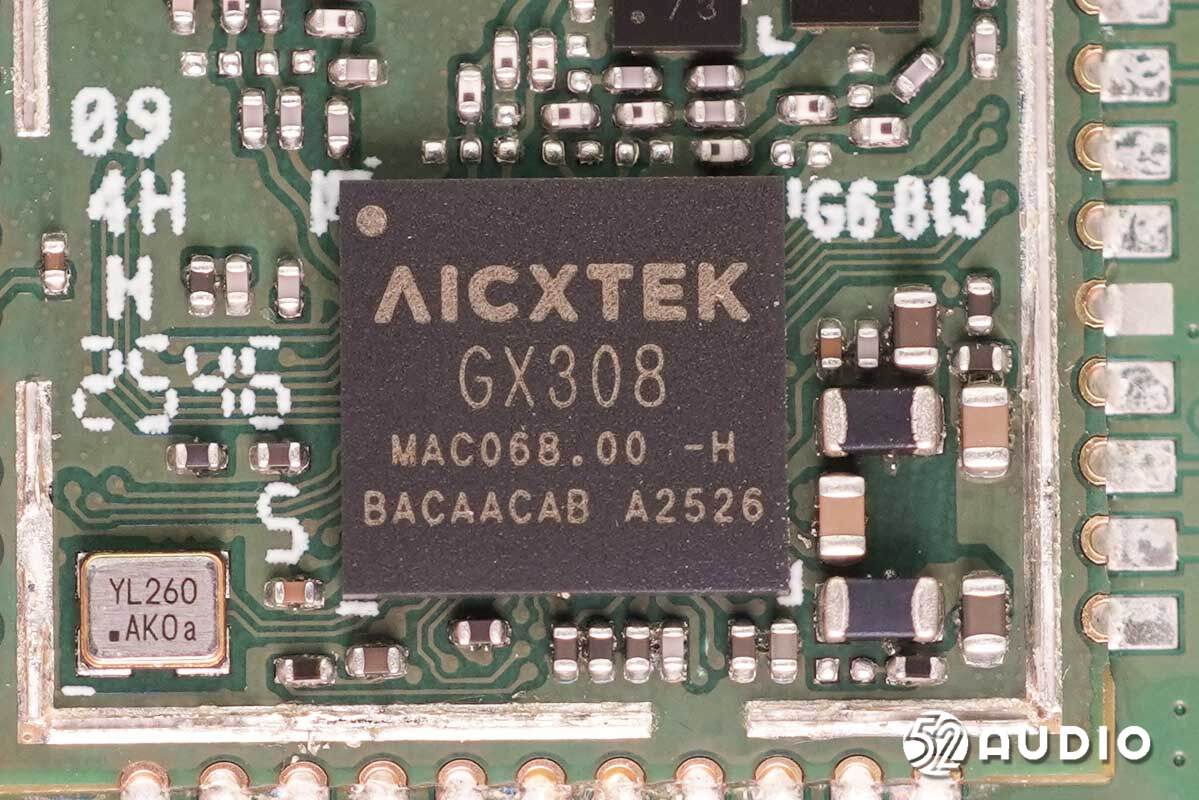
The AICXTEK GX308 LTE Cat.1 SoC. The GX30x series uses a heterogeneous multi-core architecture integrating a 4G communication modem, RF unit, and application processor, featuring broad frequency-band coverage and extremely low power consumption.
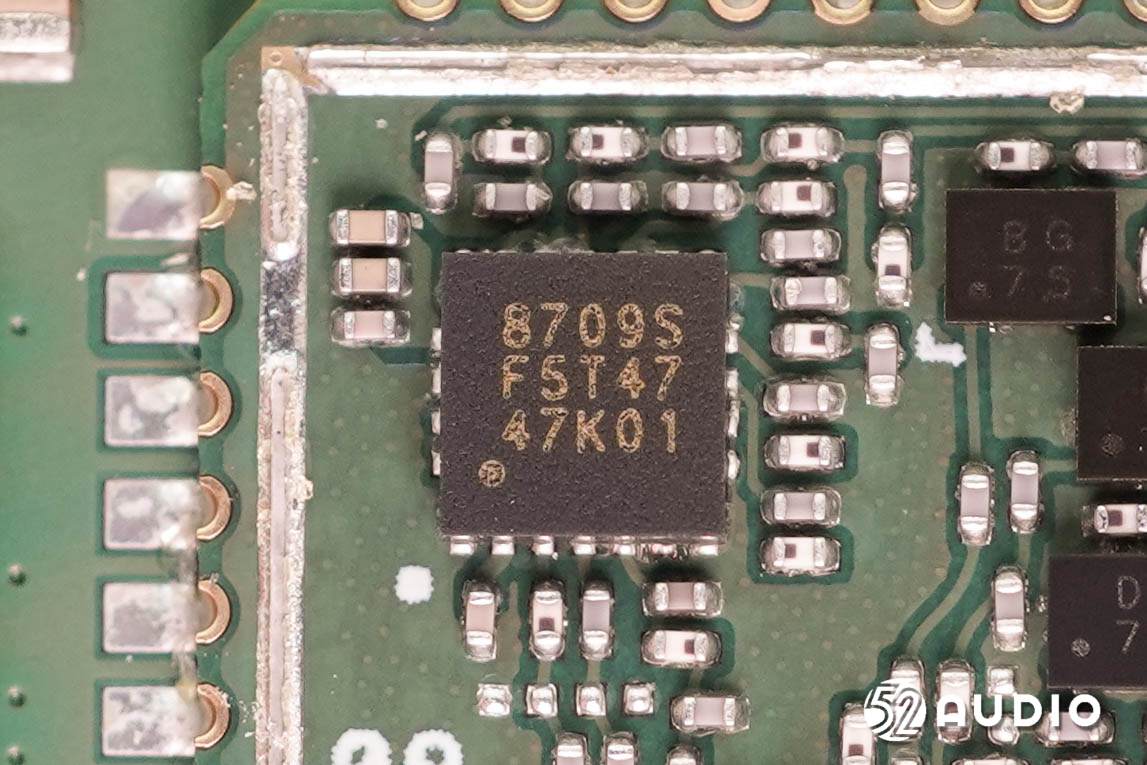
The RF front-end chip marked 8709S.
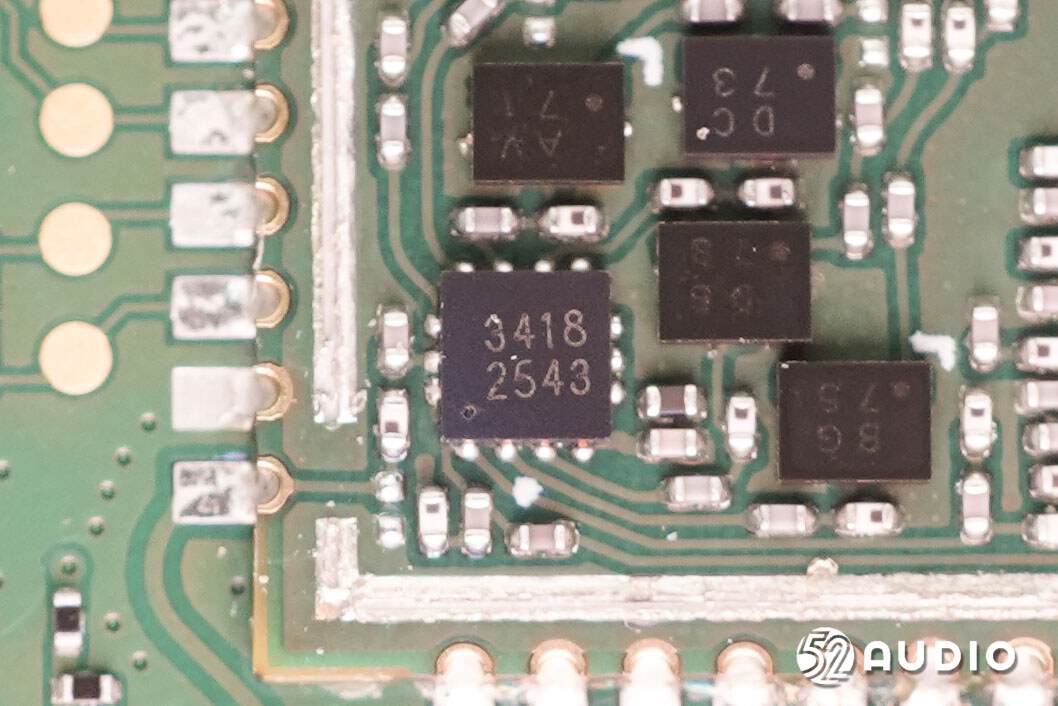
The IC marked 3418 2543.
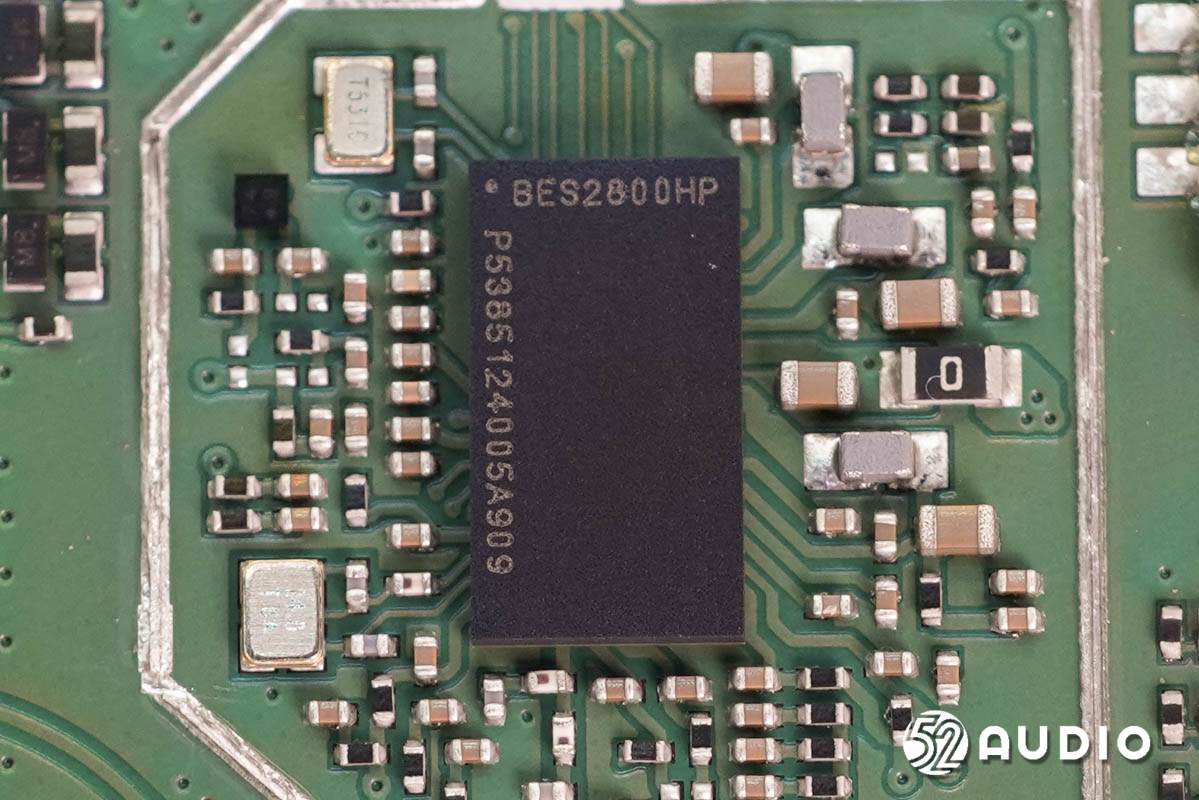
The BES2800HP is an ultra-low-power, high-performance smart audio SoC integrating Bluetooth and optional Wi-Fi capabilities. The platform includes a powerful CPU subsystem consisting of dual-core Arm Cortex-M55 processors and a dual-core BECO NPU. It also features BES proprietary coprocessors for advanced signal processing and neural network workloads, an optional Tensilica HiFi 4 DSP, an audio codec, and a host subsystem comprising dual-core STAR-MC1 processors and a dual-core BECO NPU.
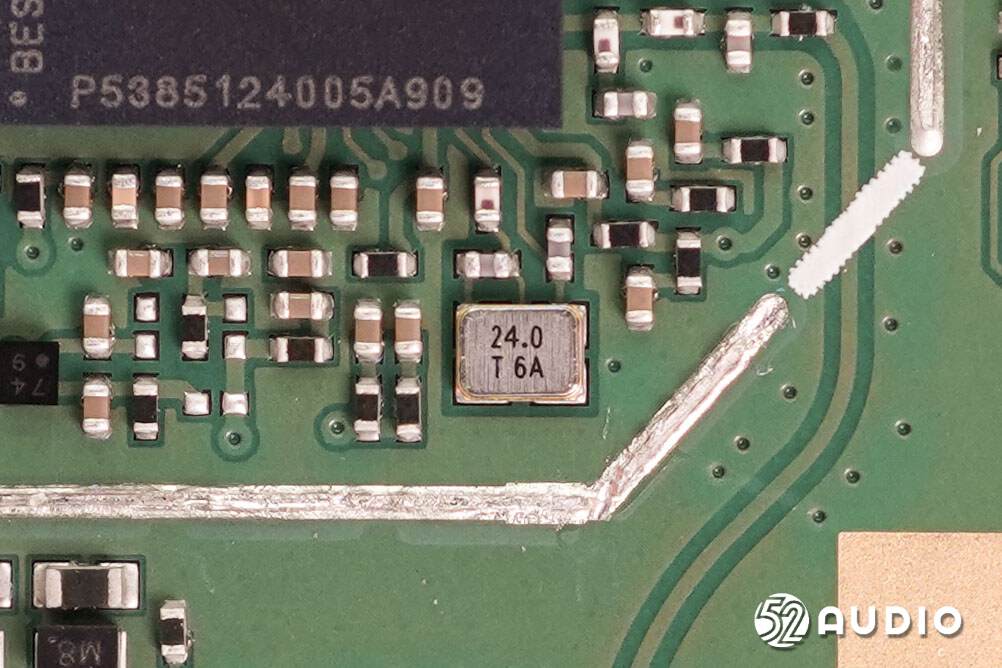
The 24.000 MHz crystal oscillator, which provides the clock signal for the smart audio SoC.
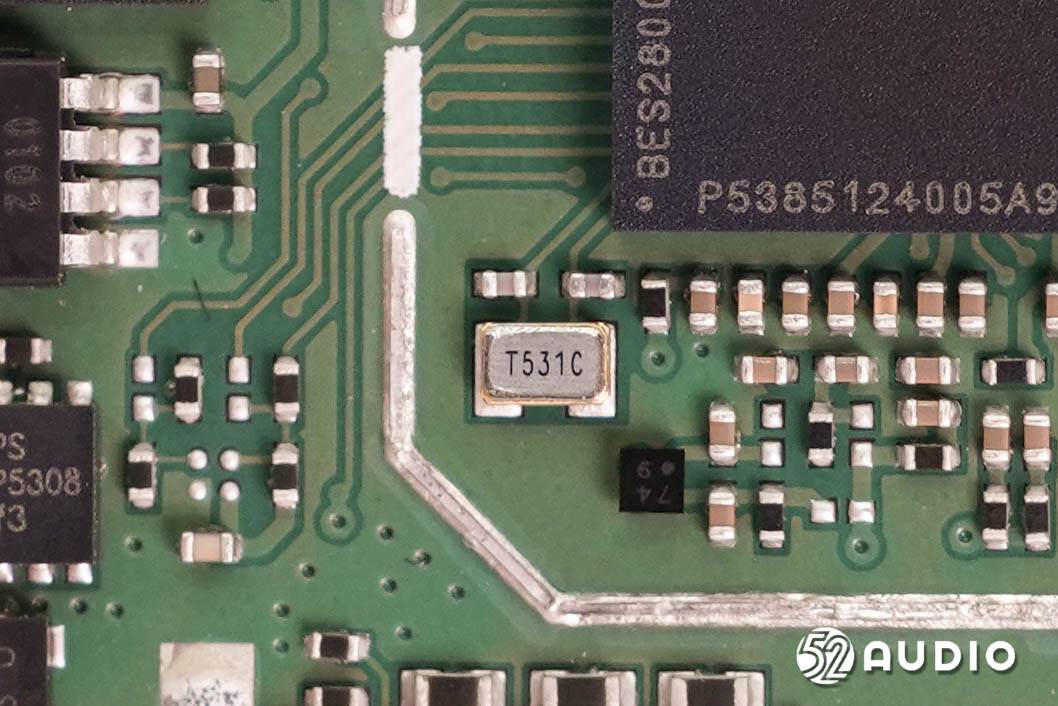
The crystal oscillator marked T531C.
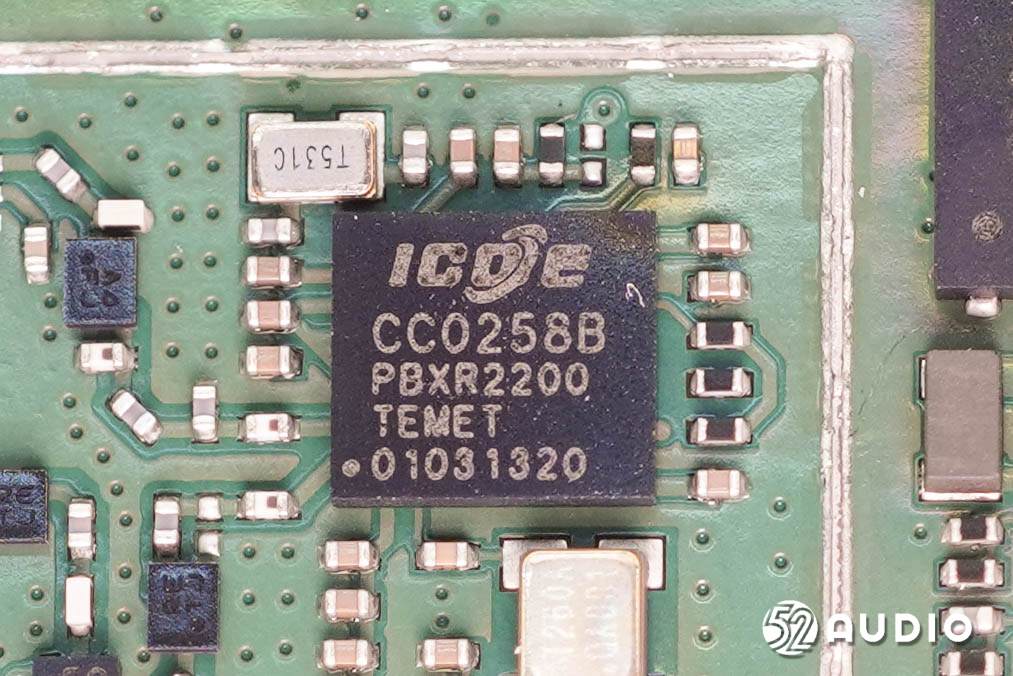
The ICOE CC0258B ultra-low-power dual-band GNSS positioning chip supports combined positioning using multiple satellite navigation systems, including BDS, GPS, Galileo, GLONASS, QZSS, SBAS, and NAVIC. It features ultra-low power consumption, an extremely small size, and high performance.
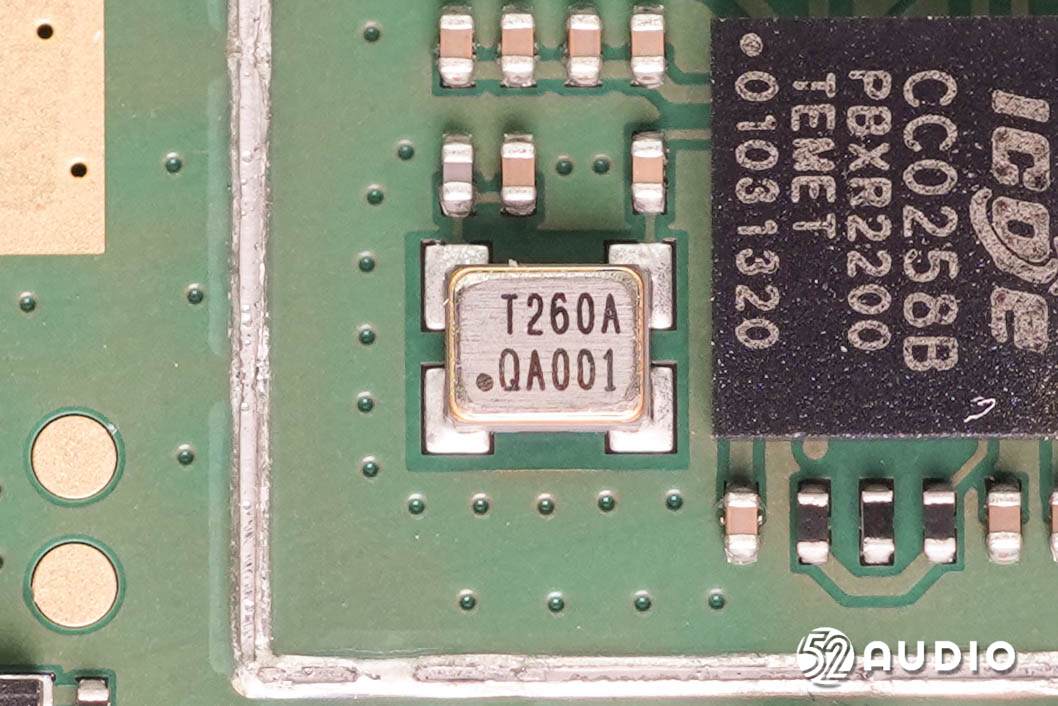
The crystal oscillator marked T260A.
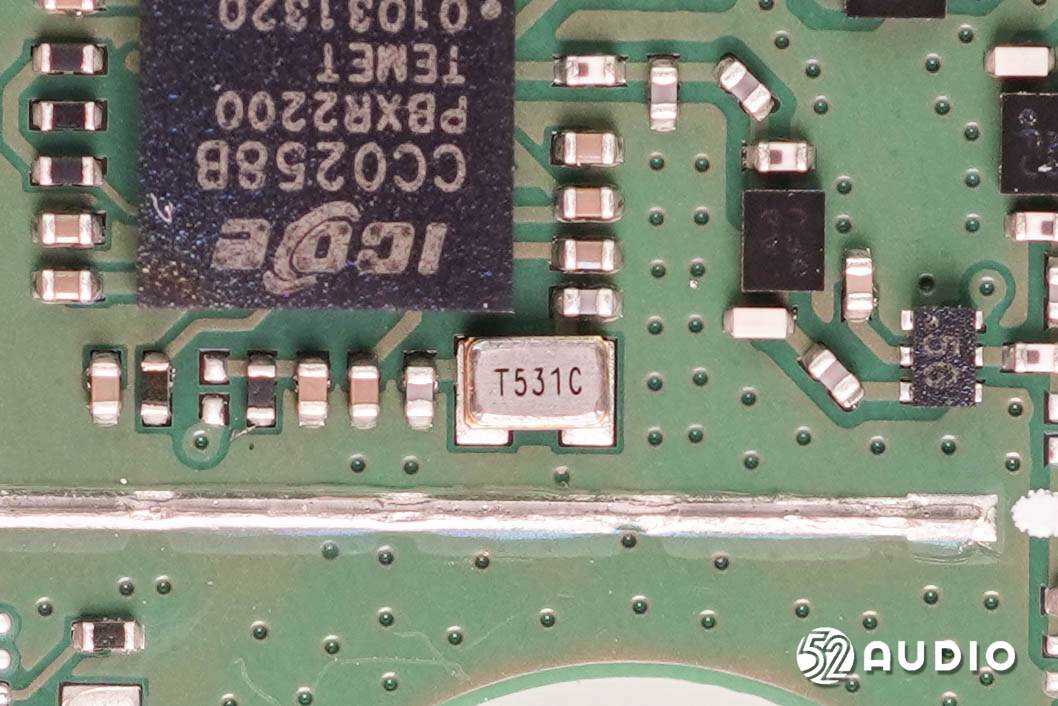
The crystal oscillator marked T531C.
Teardown of the Earbuds
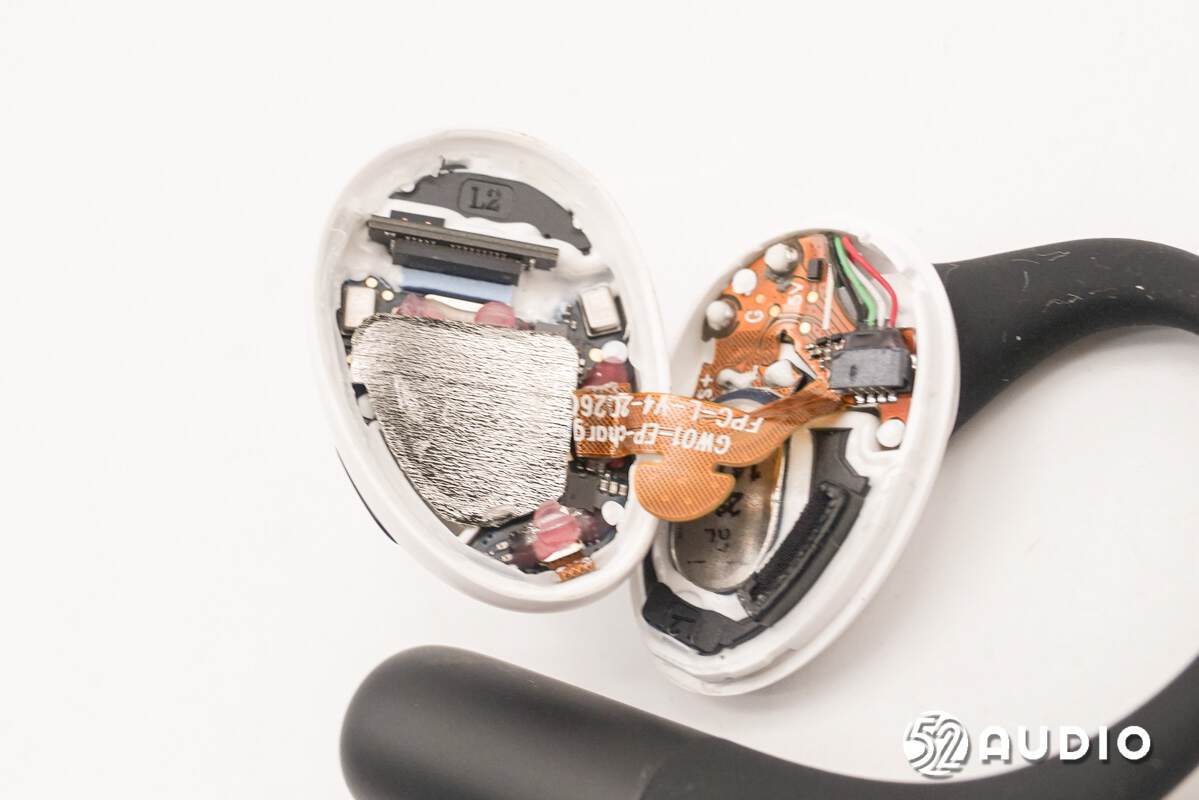
To disassemble the earbuds, open the acoustic chamber along the housing seam. Ribbon cables from the components in the front chamber connect to the mainboard in the rear chamber.
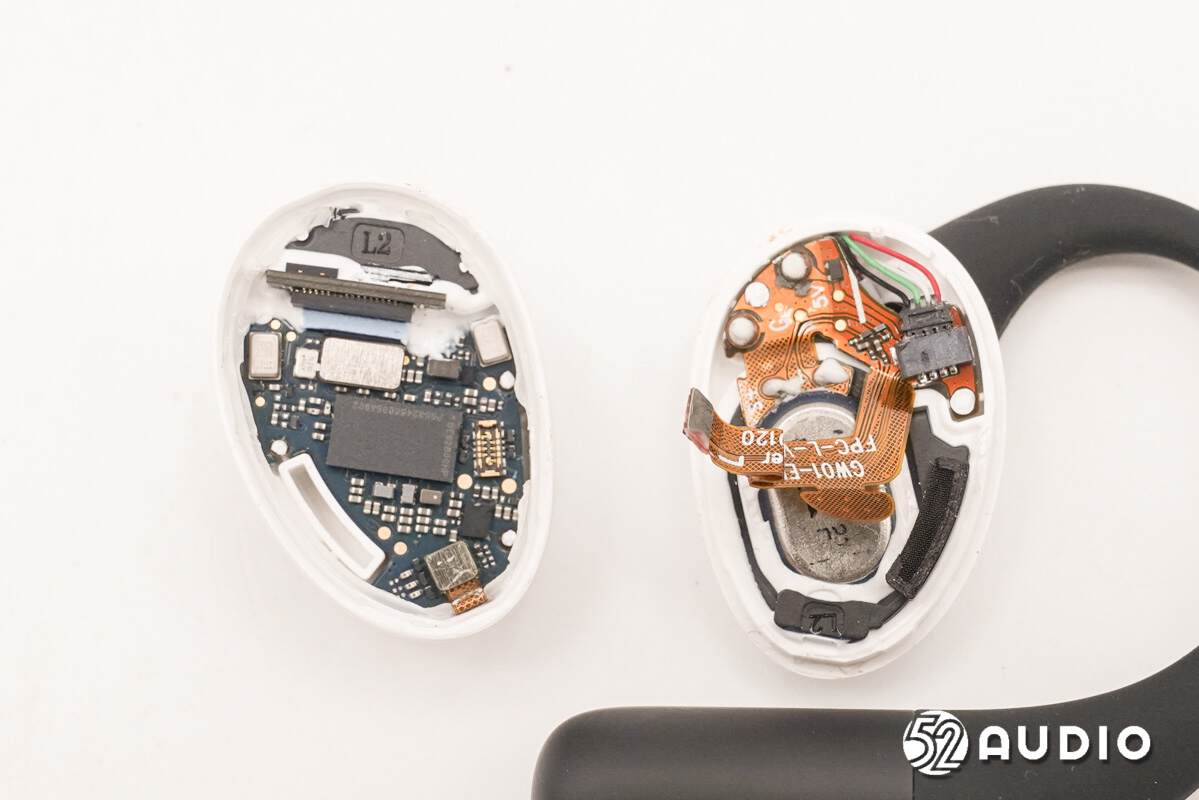
Disconnect the connector and separate the rear chamber.
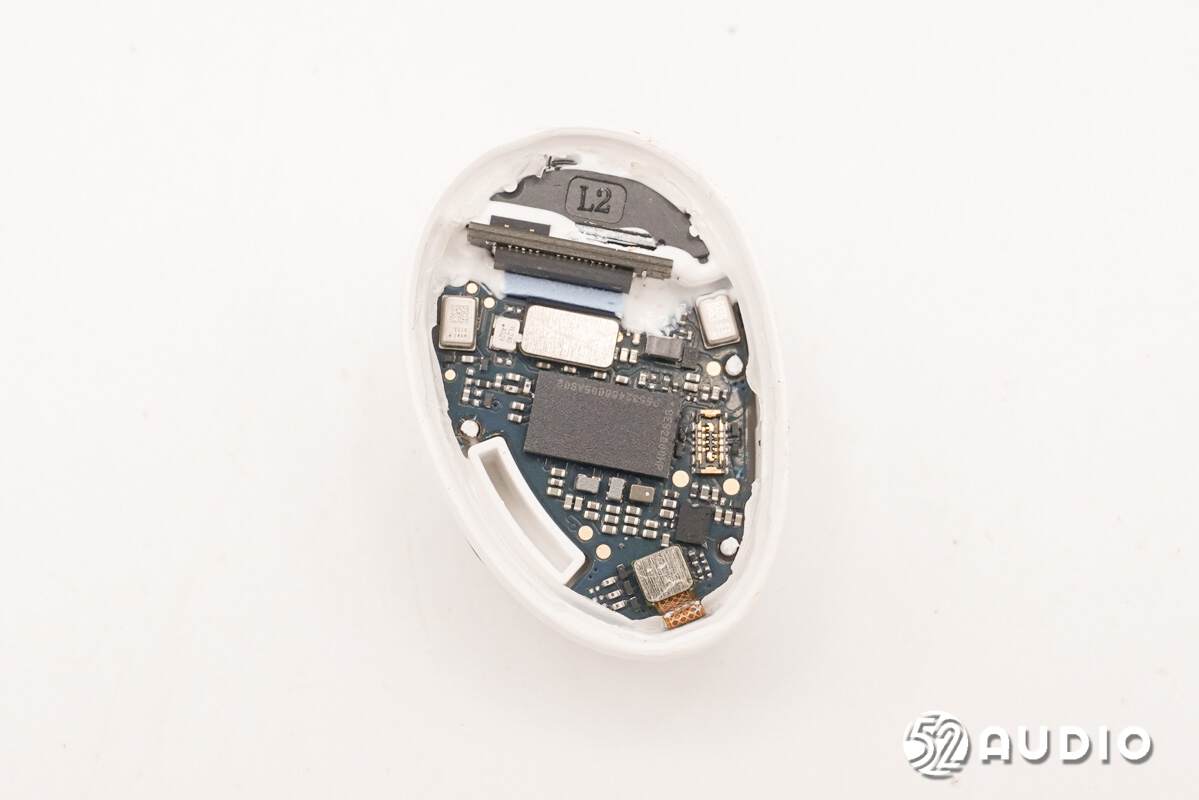
A look inside the rear chamber, which houses the mainboard and camera daughterboard.
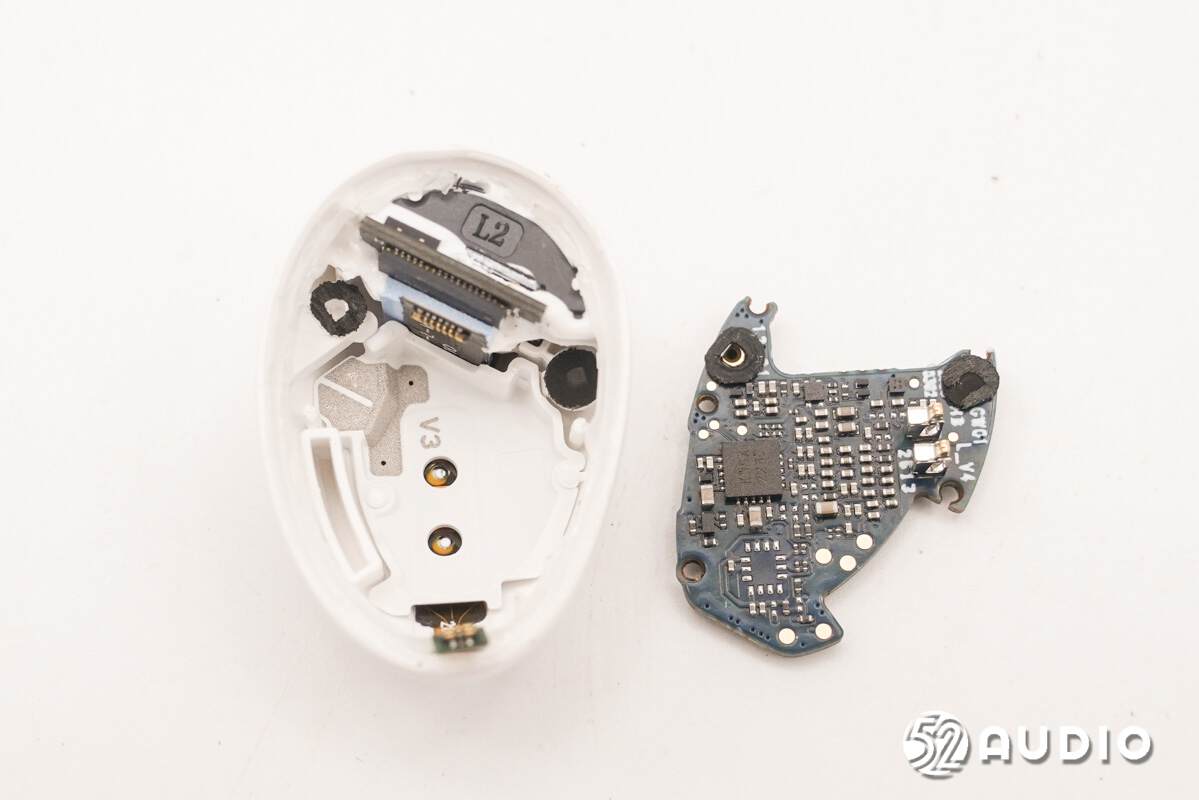
Disconnect the connector and remove the mainboard assembly from the chamber.
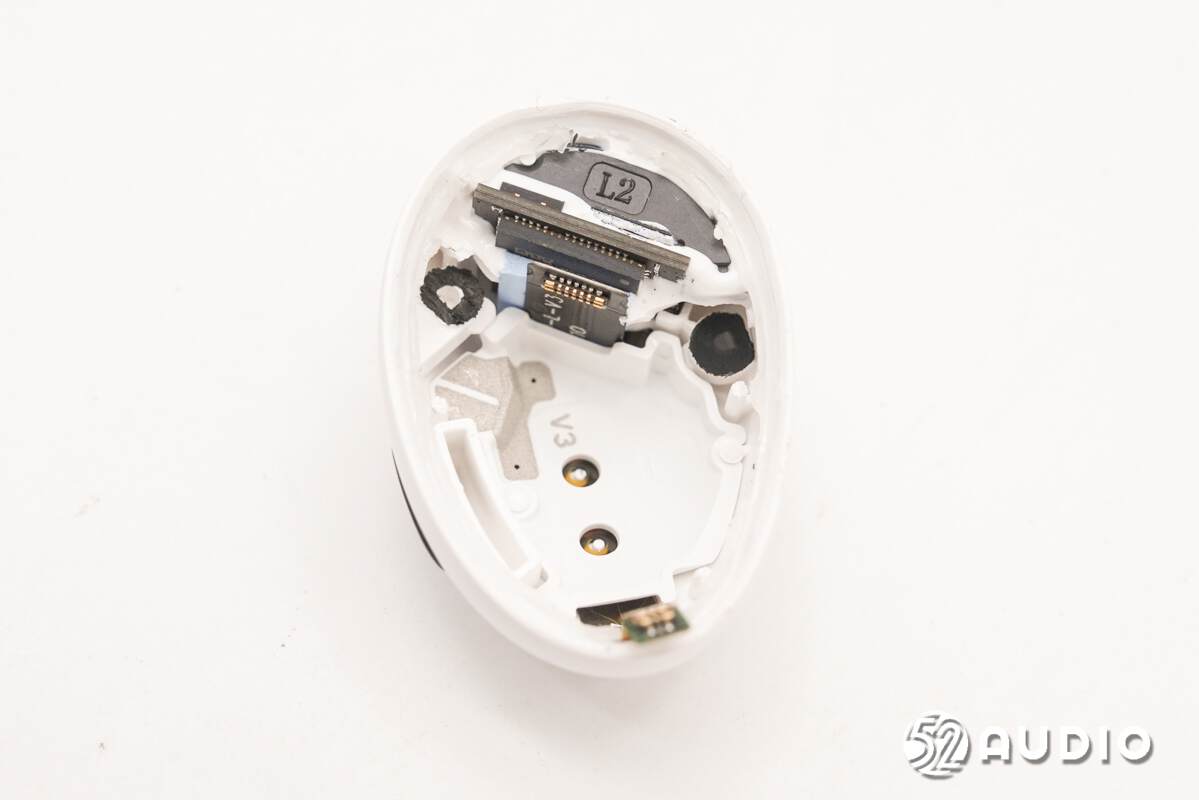
A bracket is positioned beneath the mainboard. An LDS antenna is printed on the bracket, and a touch detection sensor is embedded underneath it.
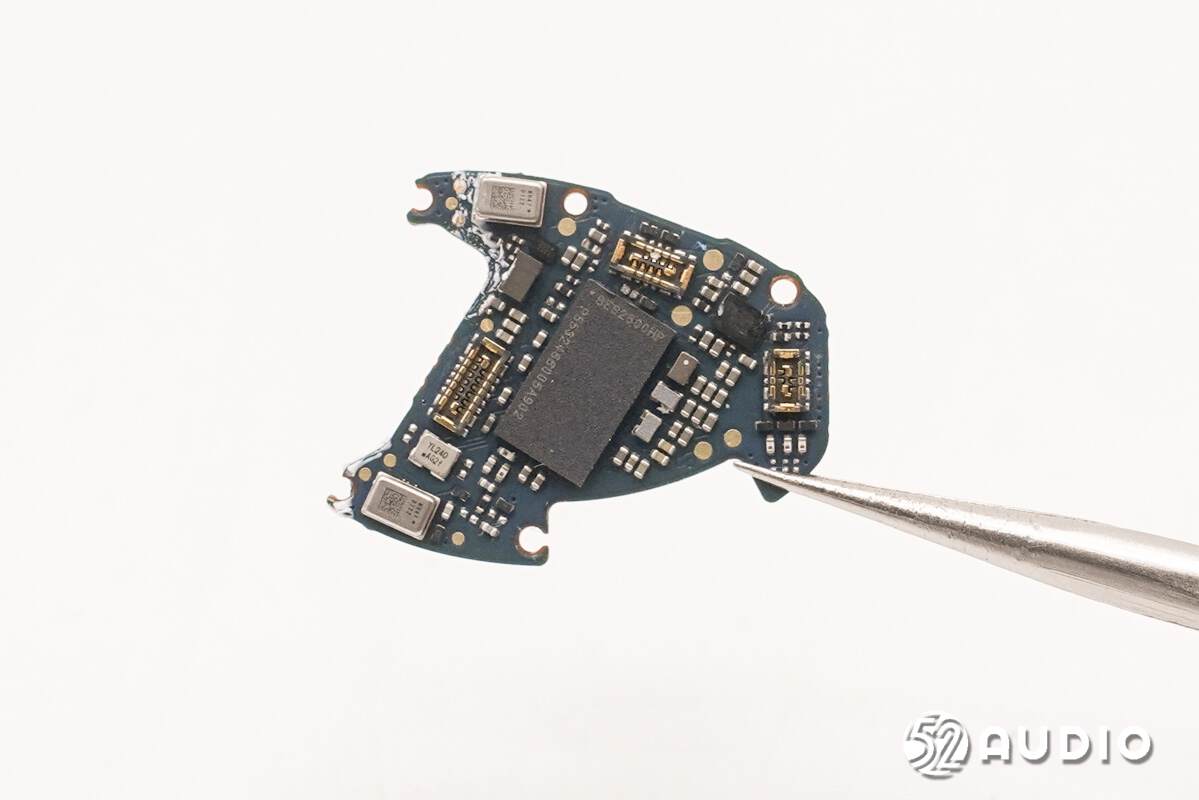
The circuitry on one side of the earbud mainboard.
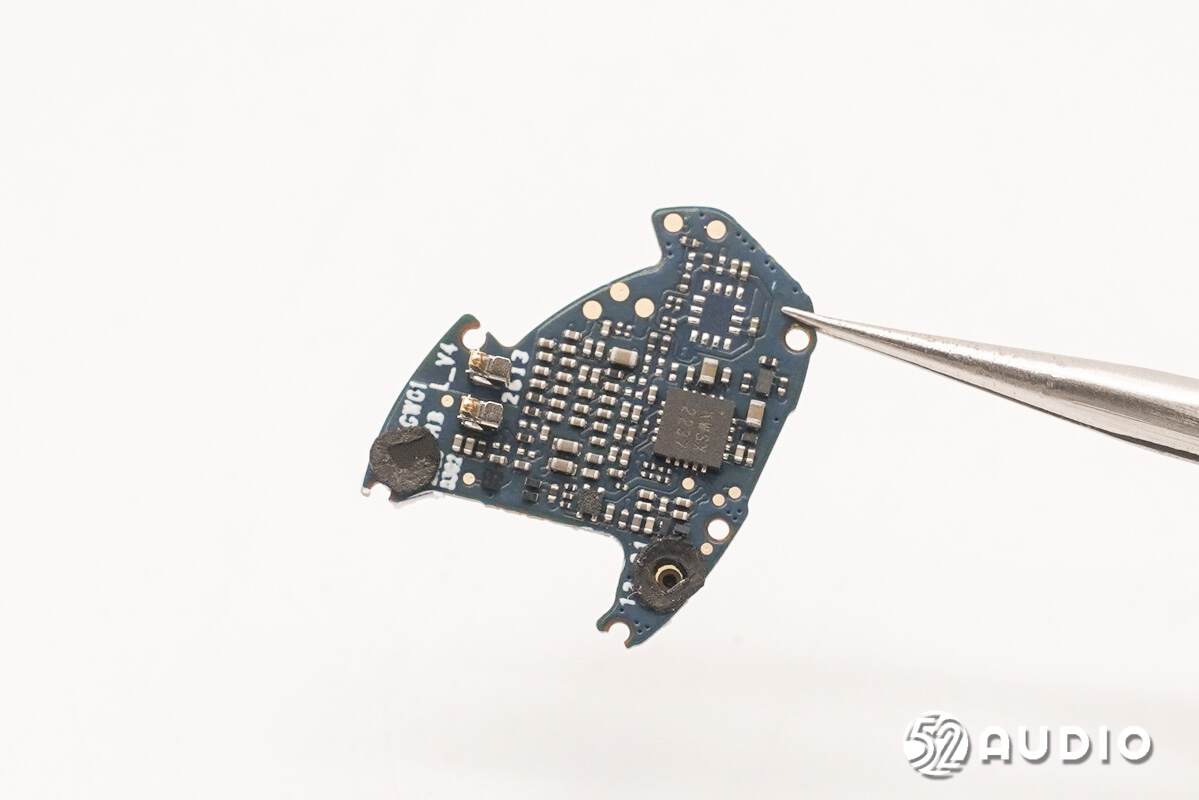
The circuitry on the other side of the earbud mainboard.
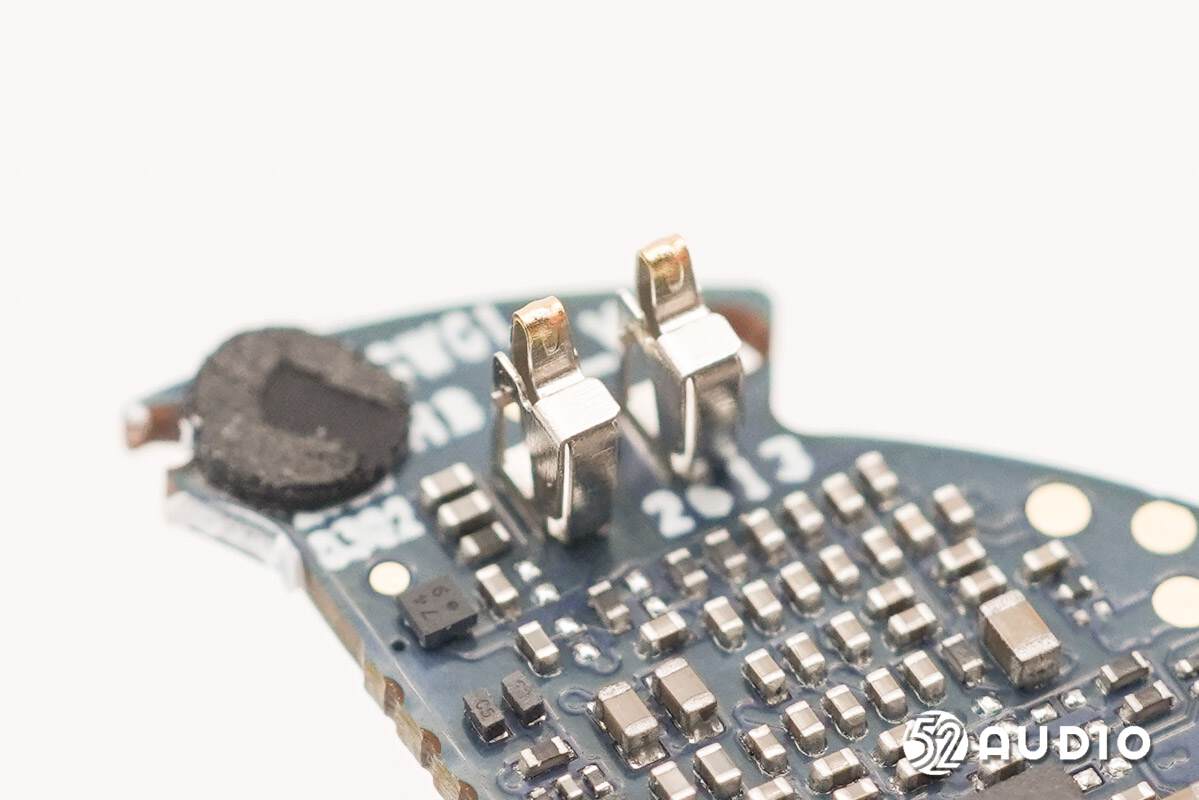
The metal spring contact connecting to the antenna.
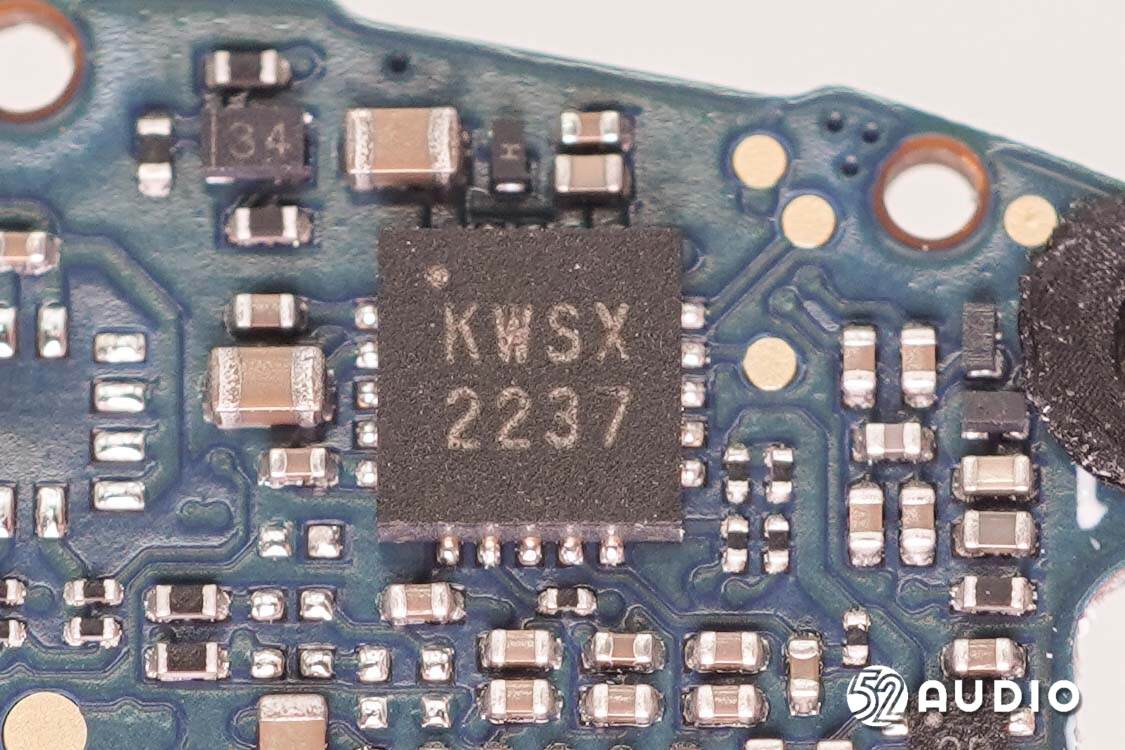
The VAD chip marked KWSX 2237 is from AISTARTEK.
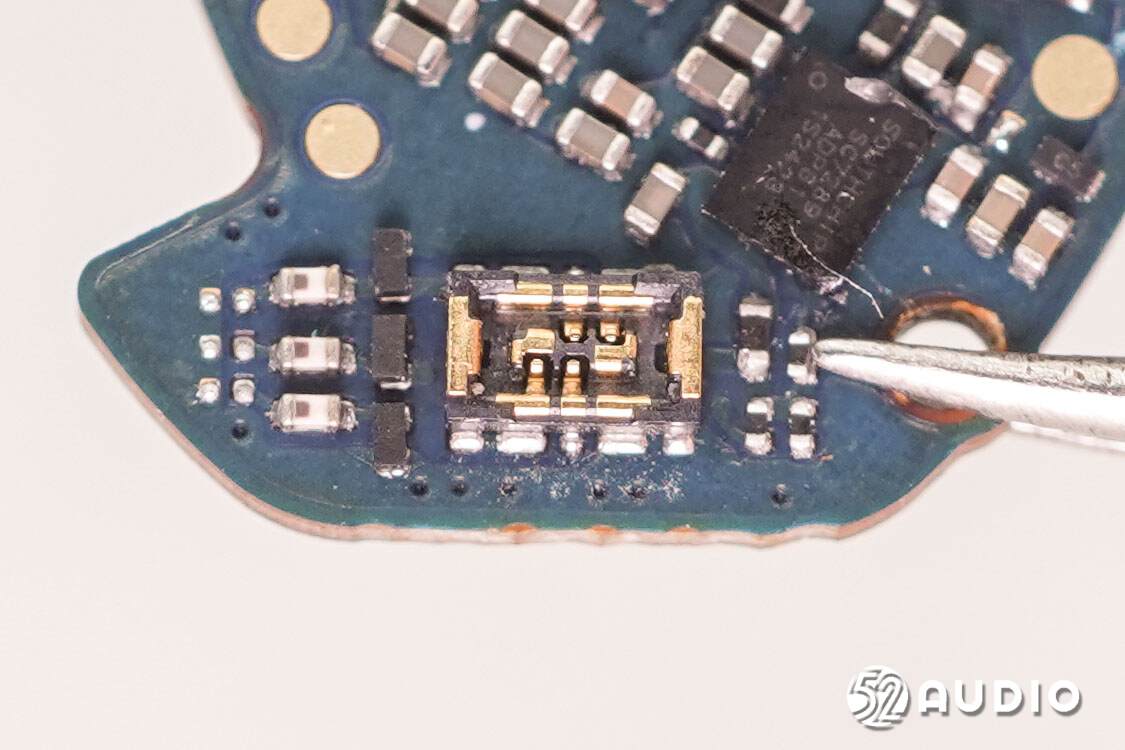
The female BTB connector for the touch detection sensor.
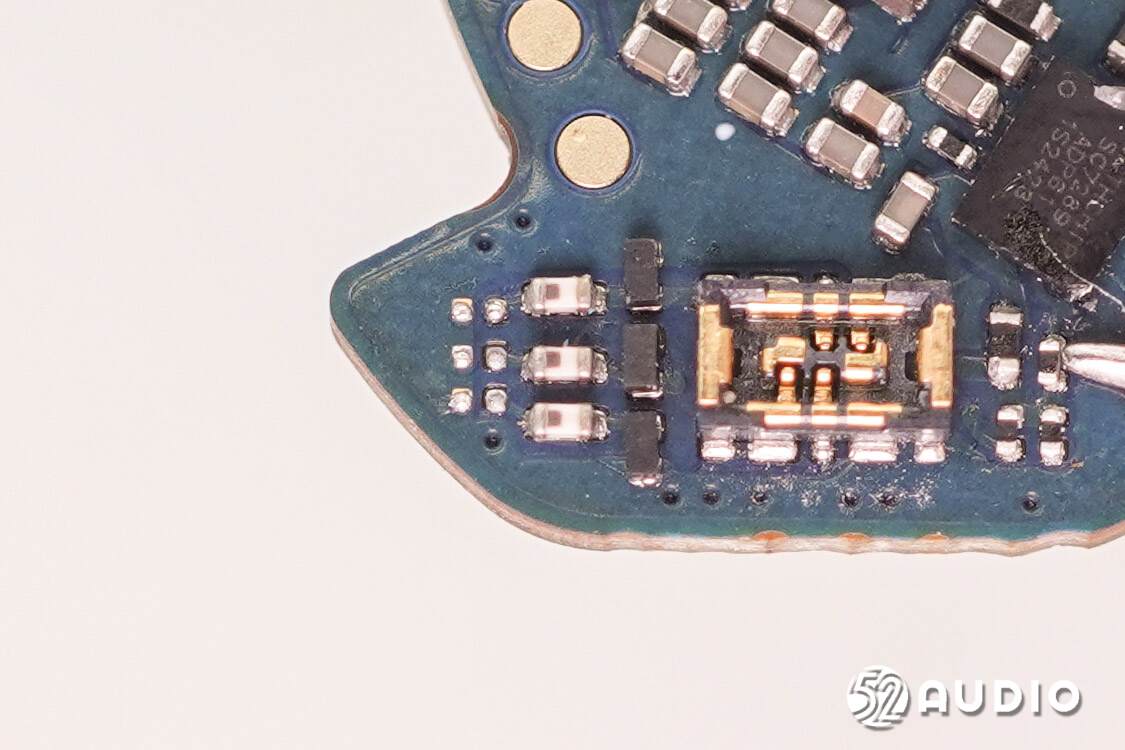
The Sunlord SDCL0603Q series multilayer ceramic inductor.
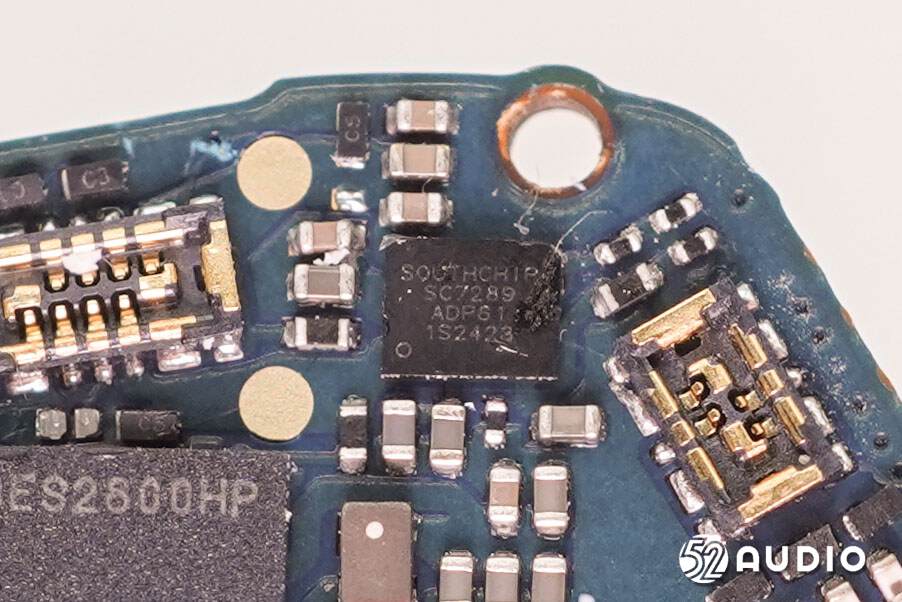
The Southchip SC7289 linear charging IC.
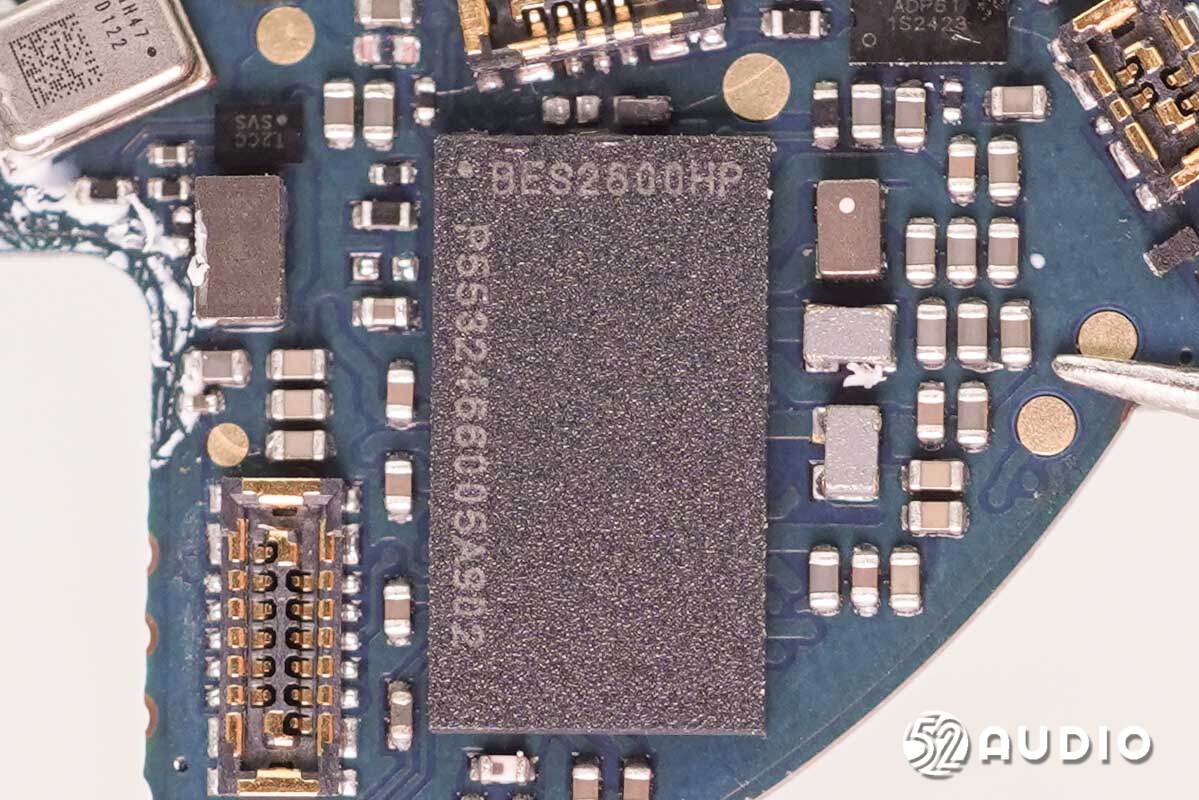
The BES2800HP smart audio SoC handles audio data processing and wireless communication with the smartphone and charging case.
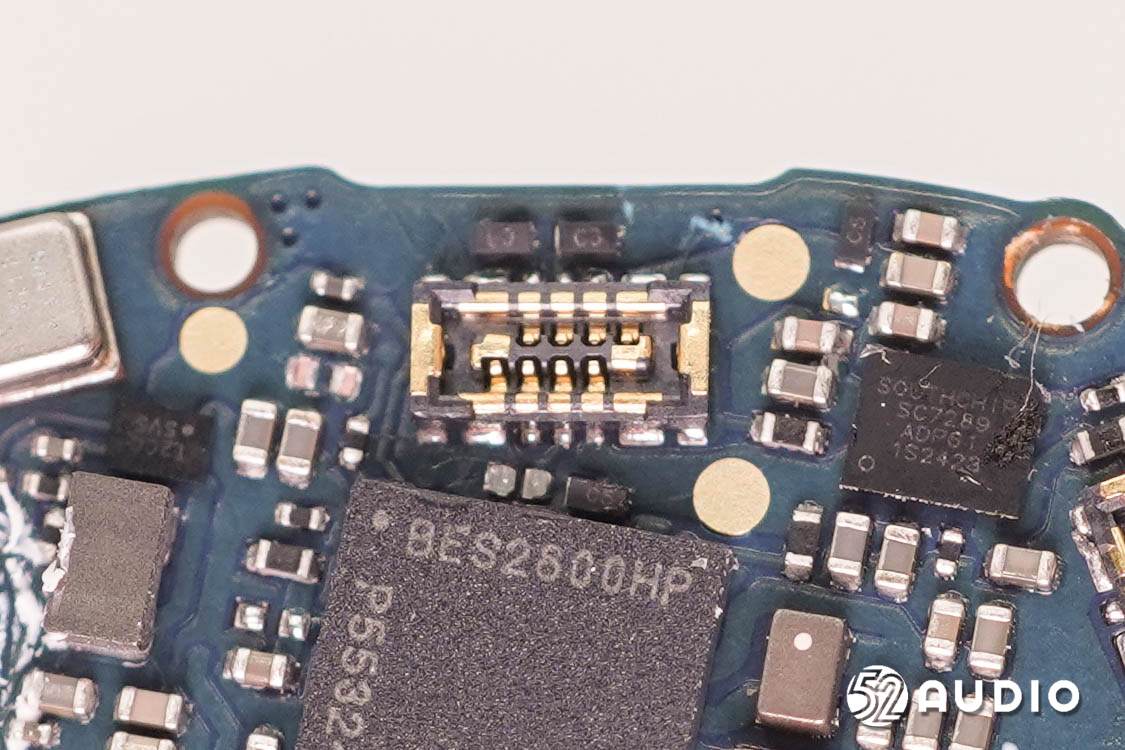
The female BTB connector for the speaker ribbon cable.
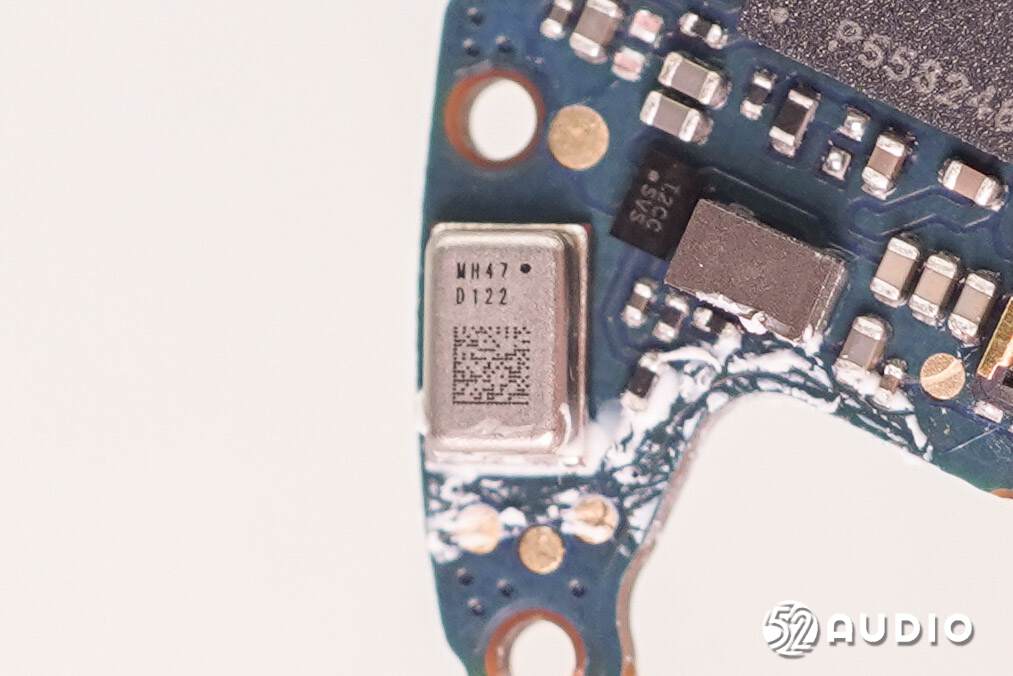
The MEMS microphone marked MH47 is from MEMSensing.
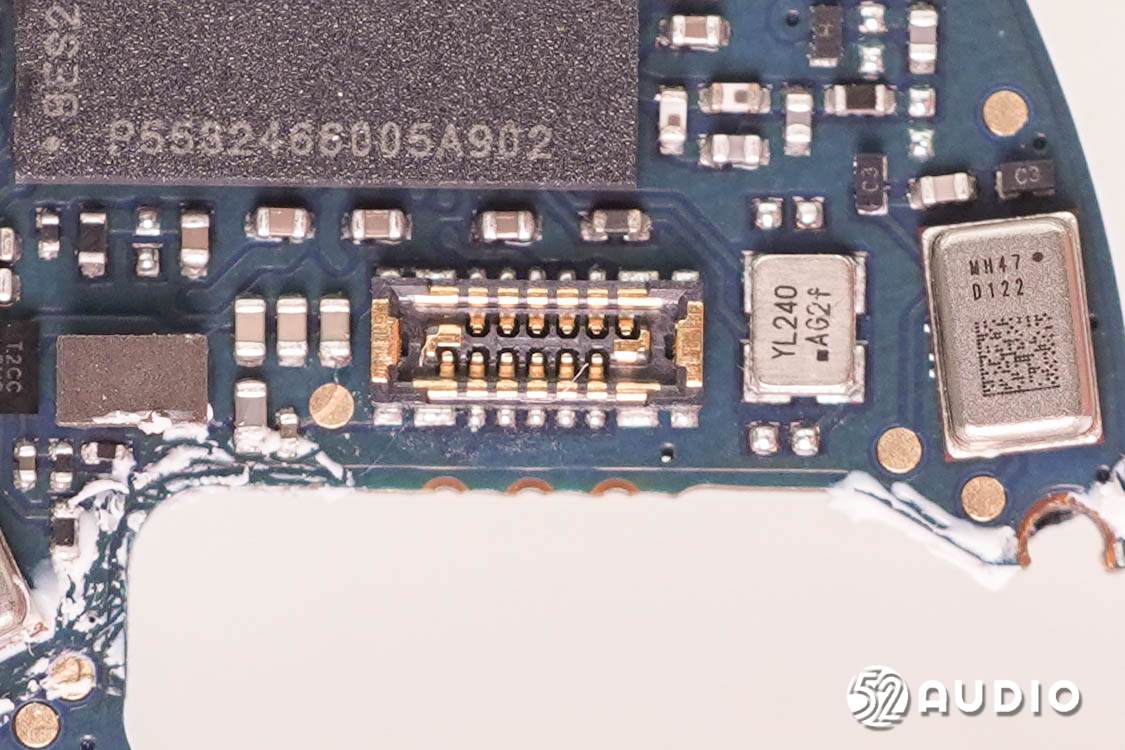
The female BTB connector for the camera ribbon cable.
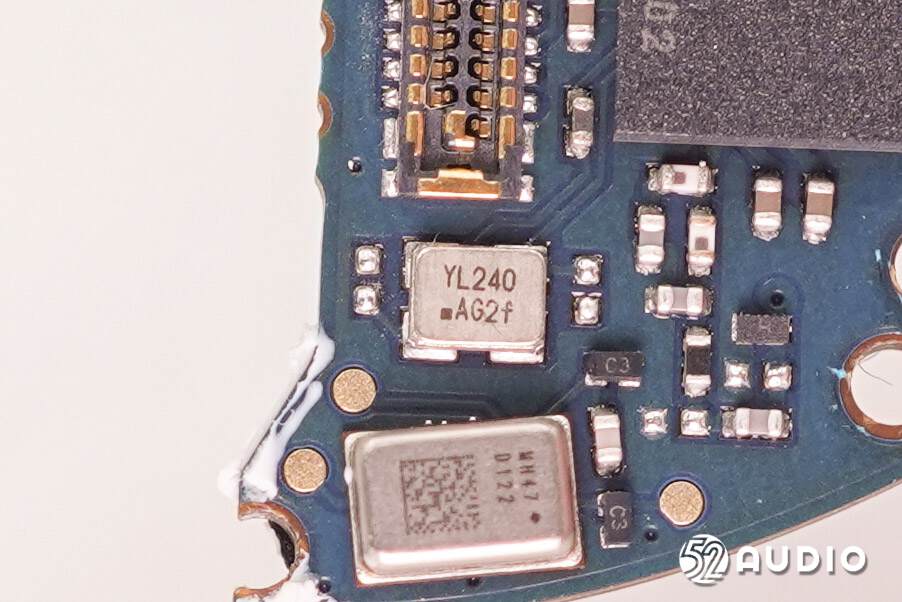
The crystal oscillator laser-marked YL240.
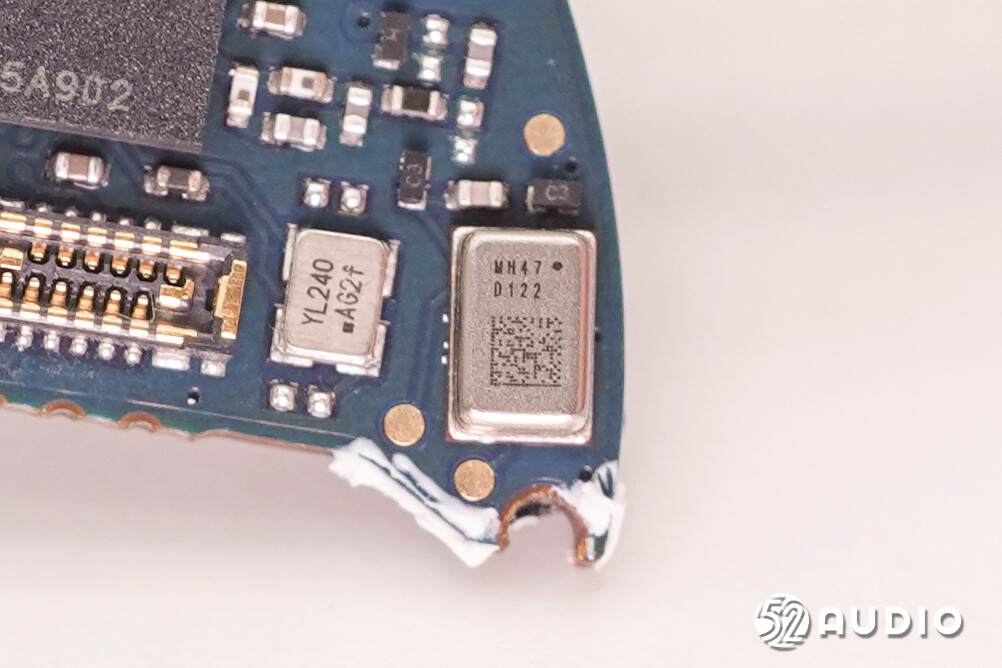
The second MEMS microphone marked MH47.
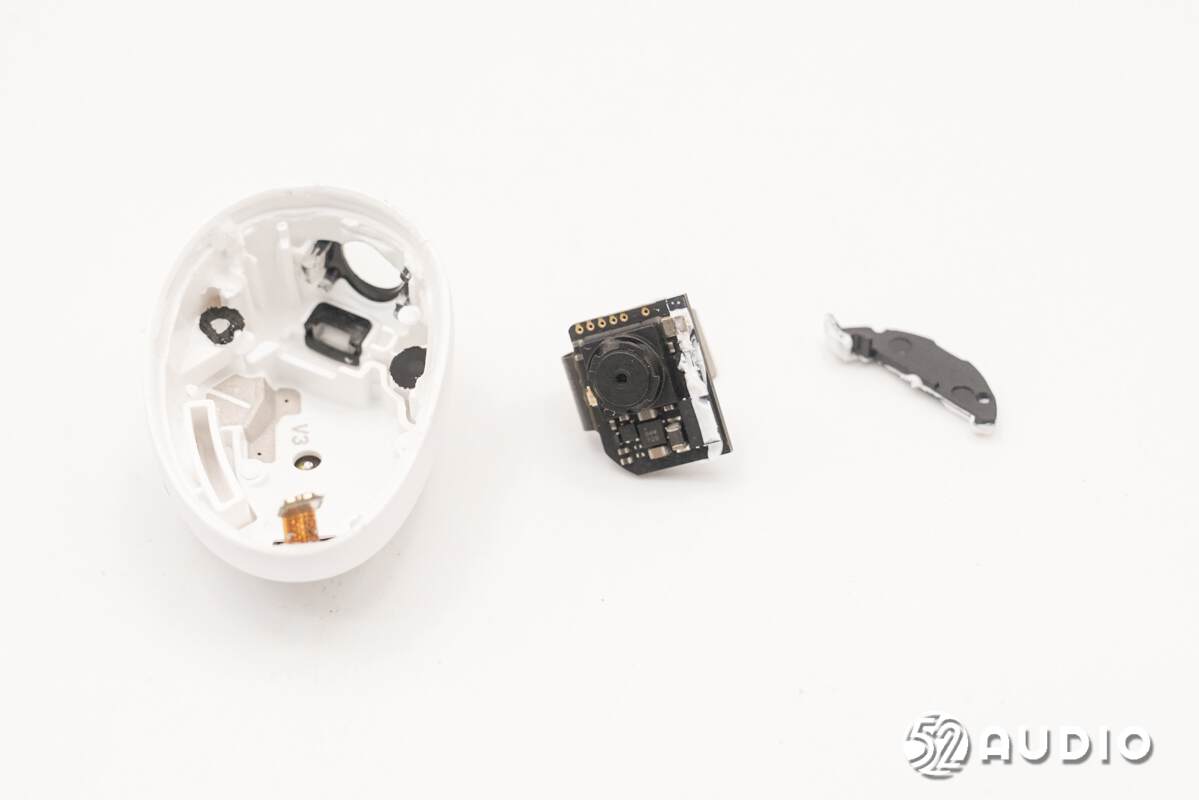
Remove the camera daughterboard.
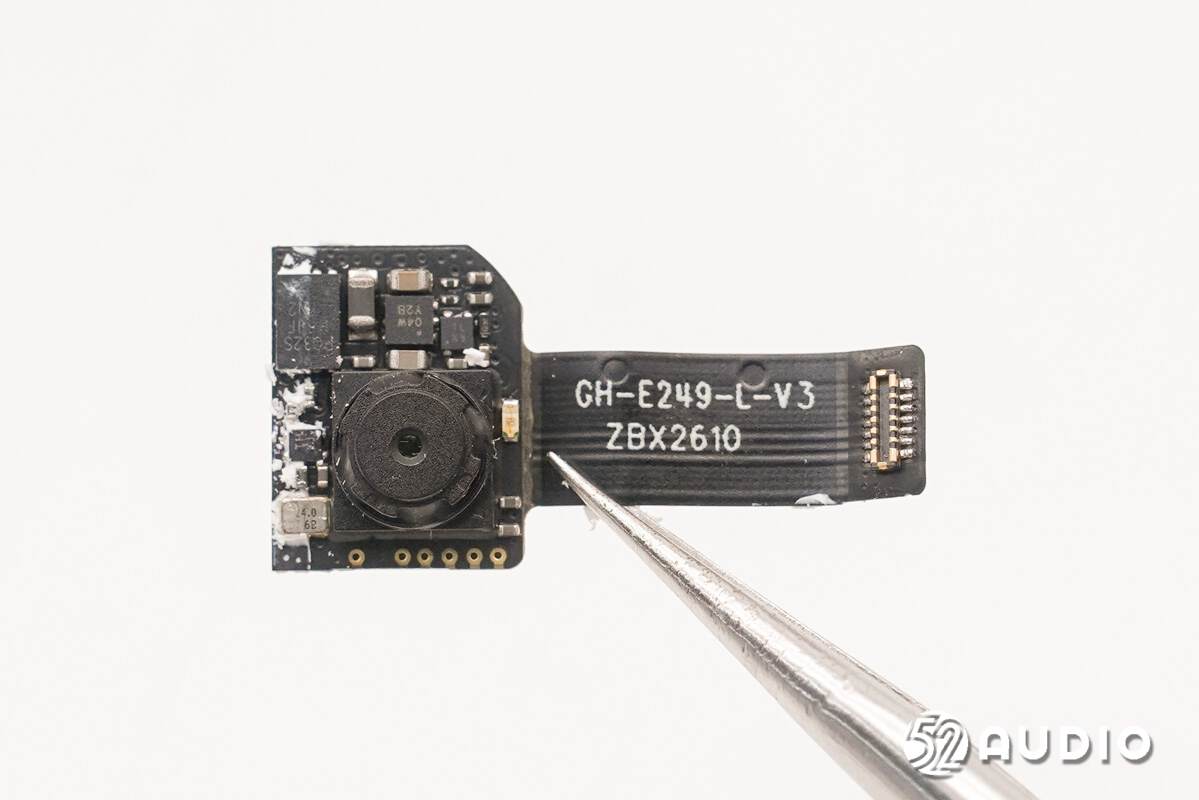
The circuitry on the front of the daughterboard.
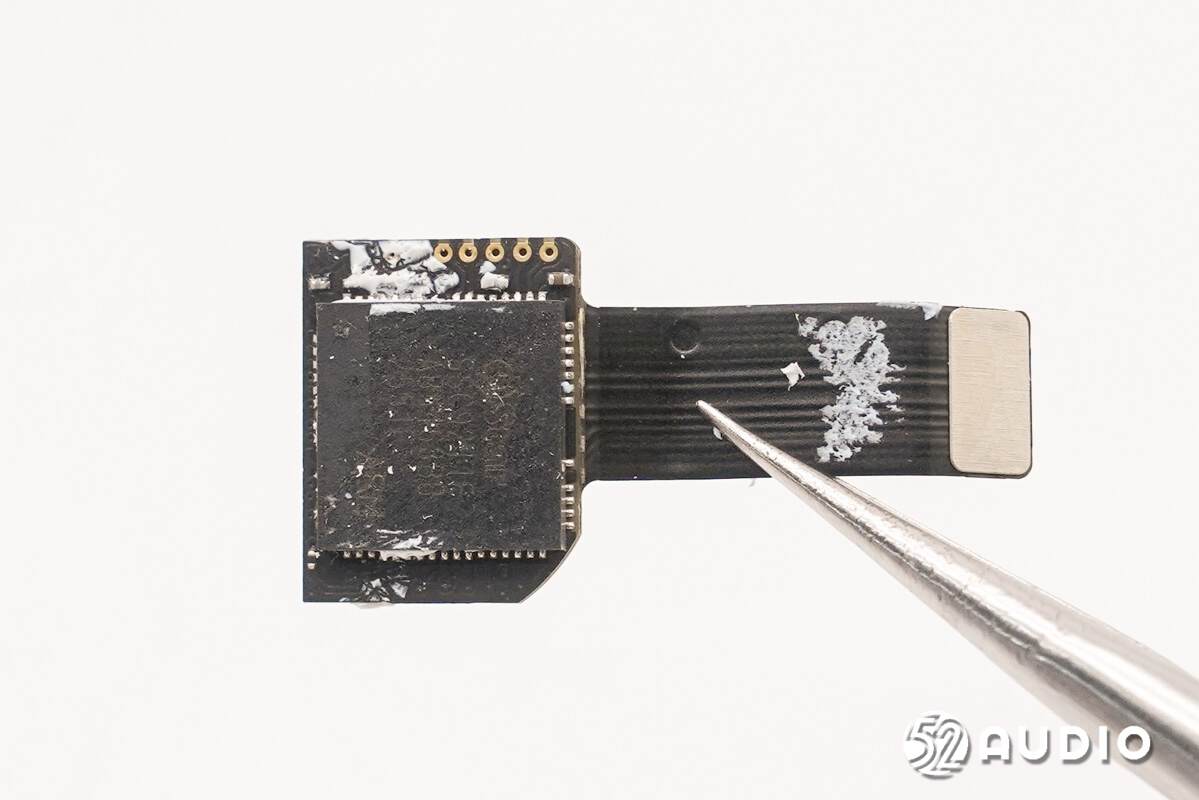
The circuitry on the back of the daughterboard.
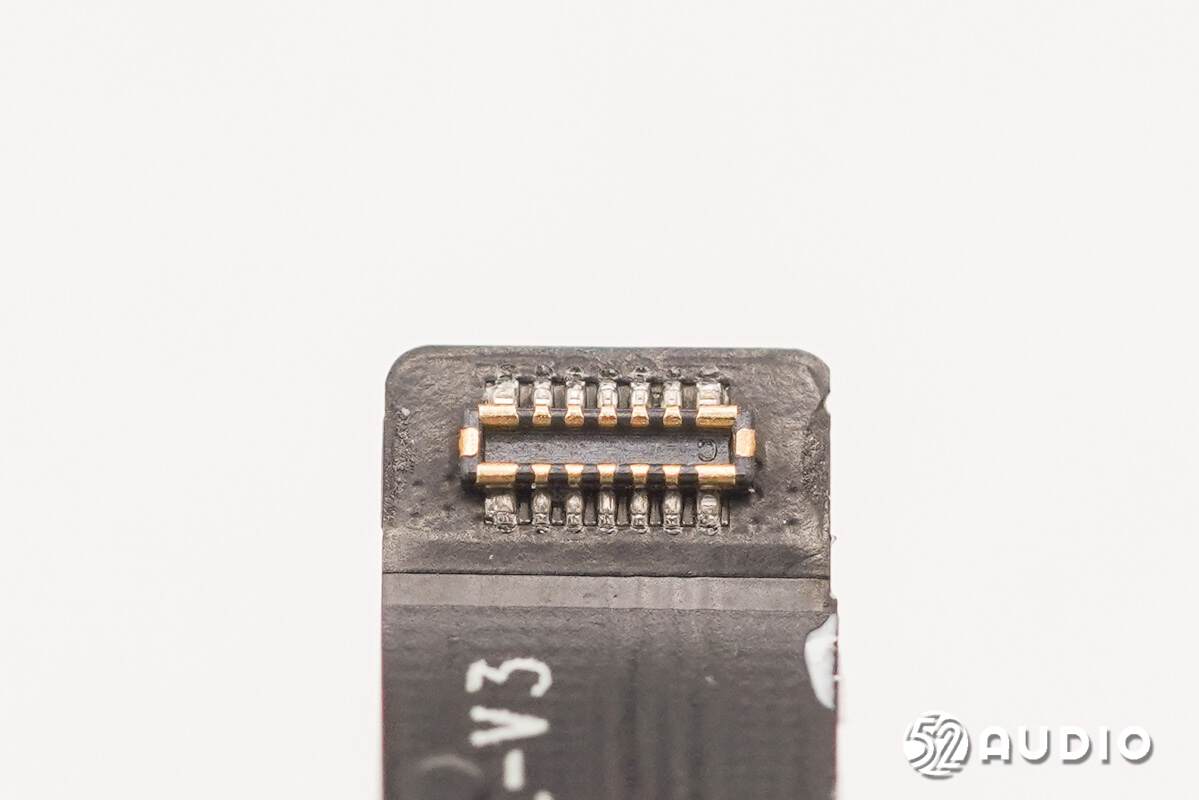
The male BTB connector connecting the daughterboard to the mainboard.
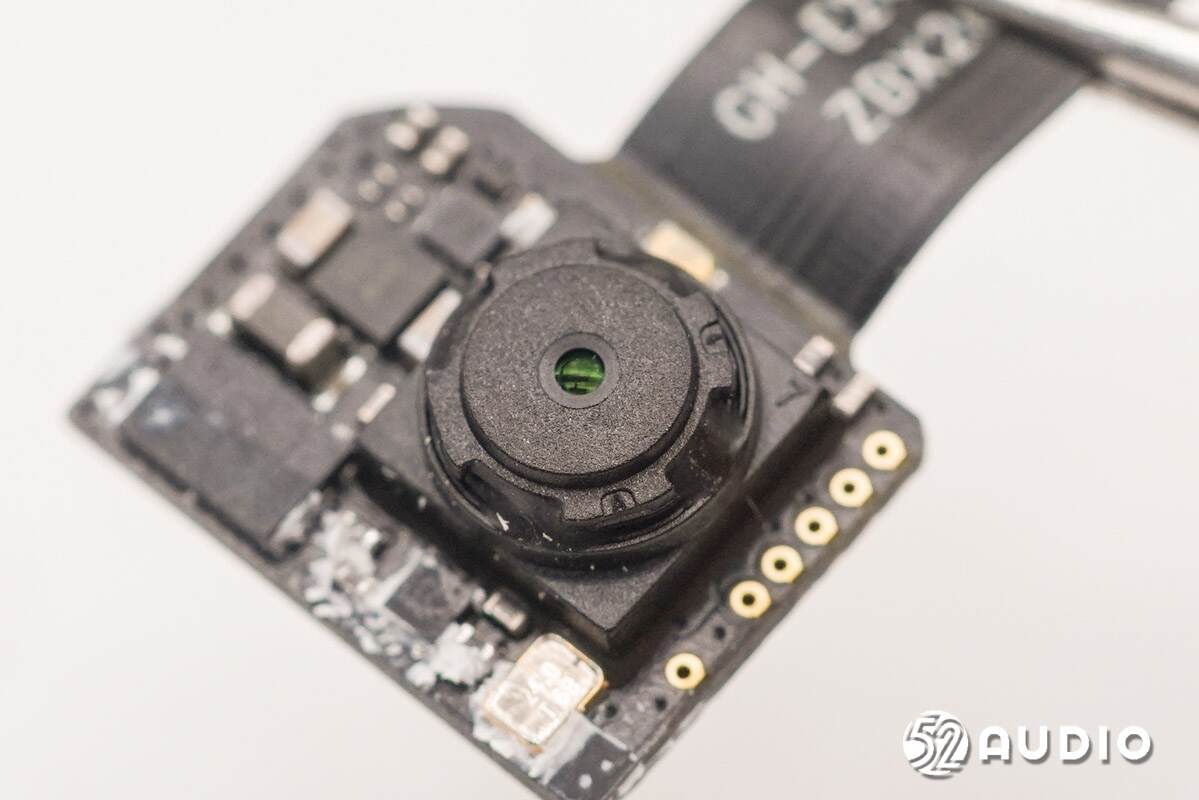
The 2 MP camera, used to capture information for content recognition.
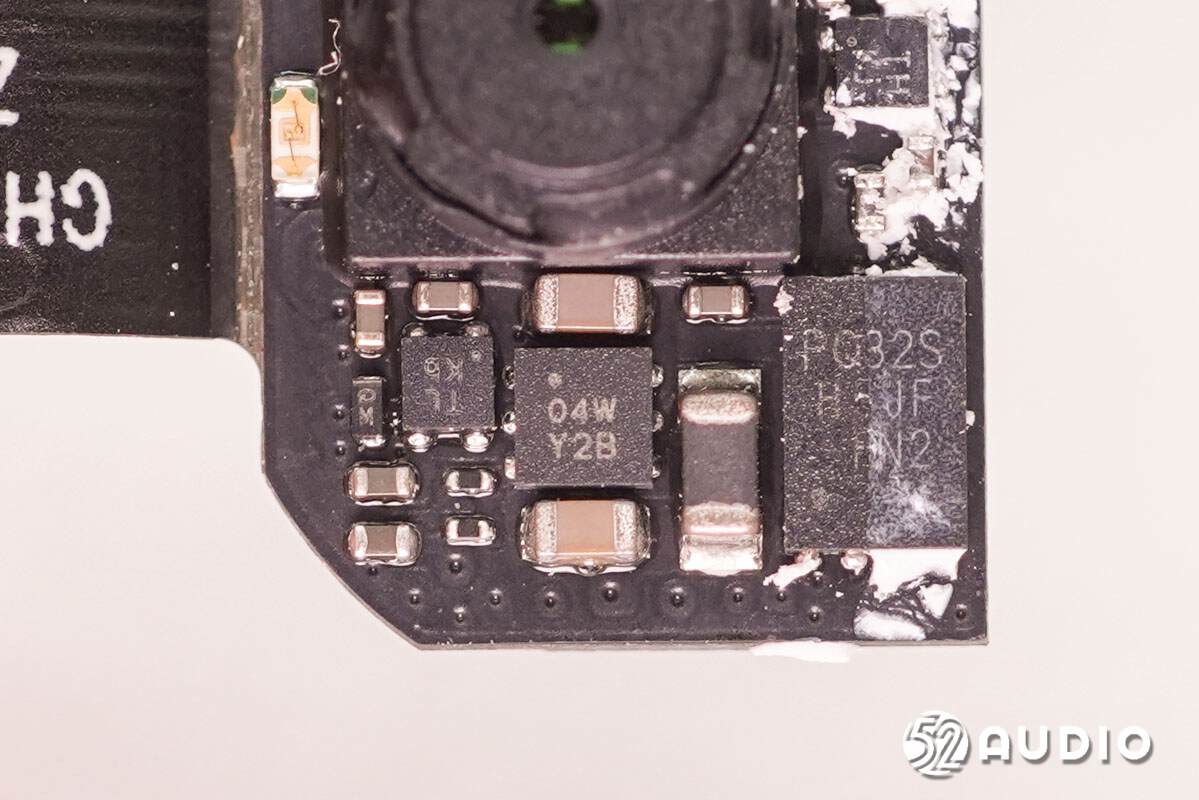
The IC marked 04W Y2B.
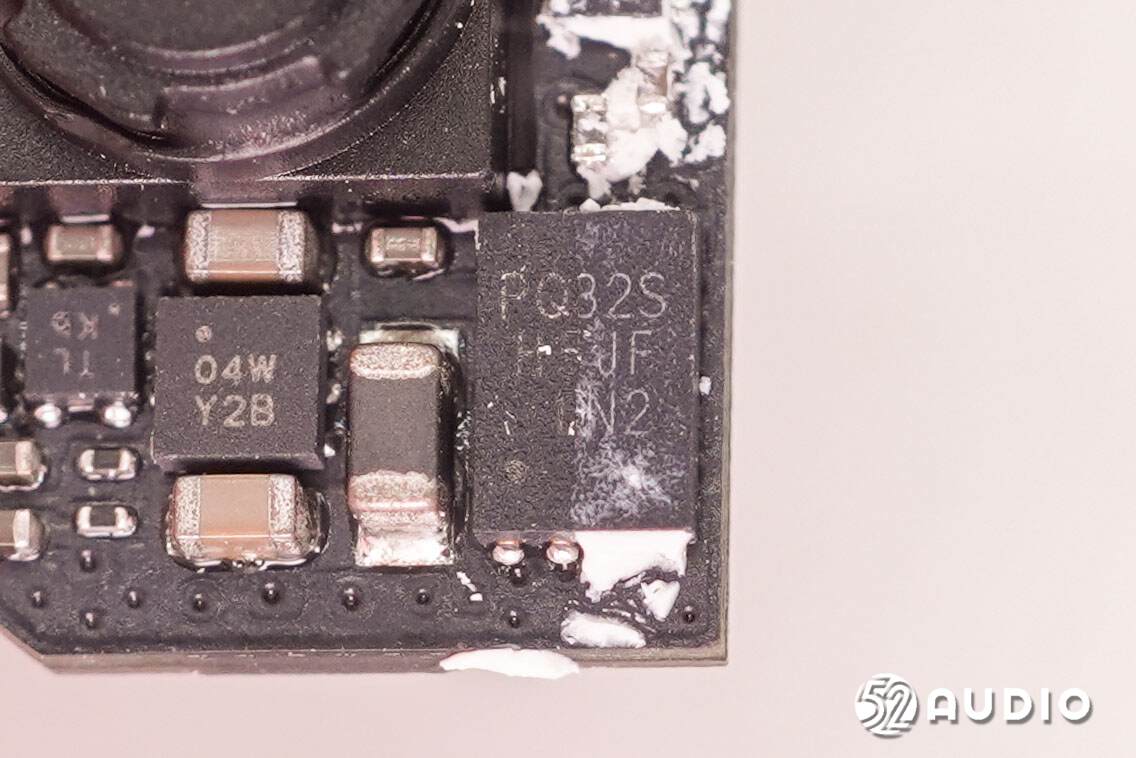
The IC marked PQ32S.
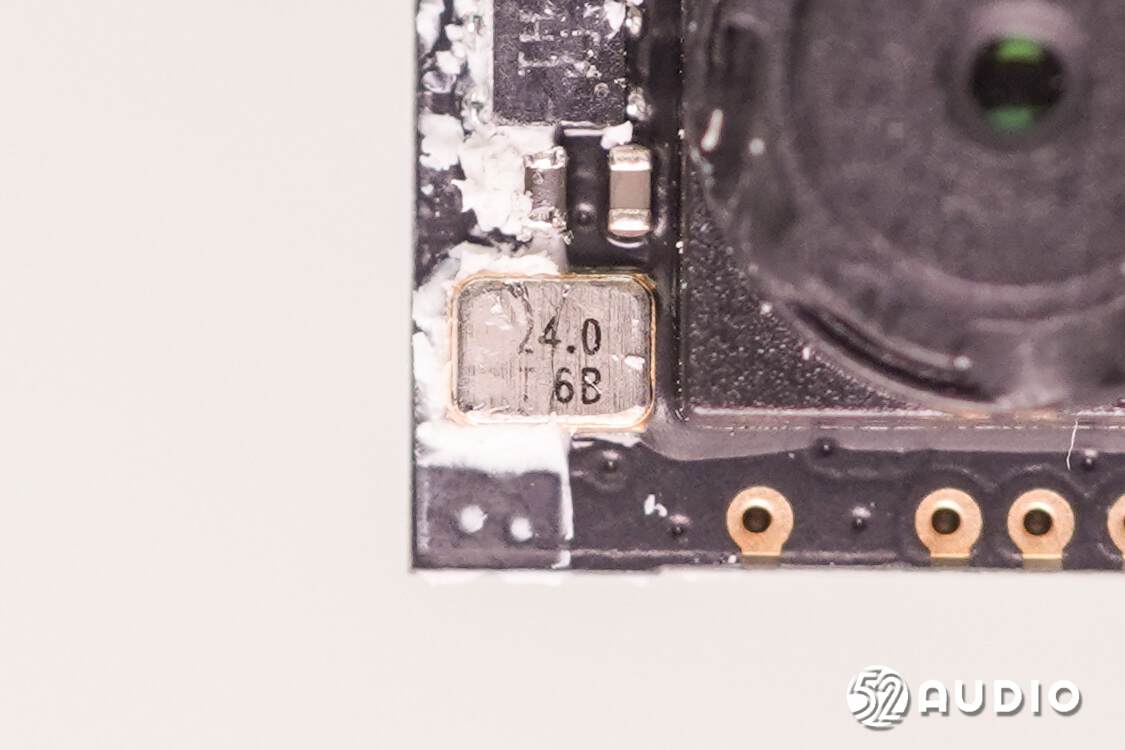
The 24.0 MHz crystal oscillator.
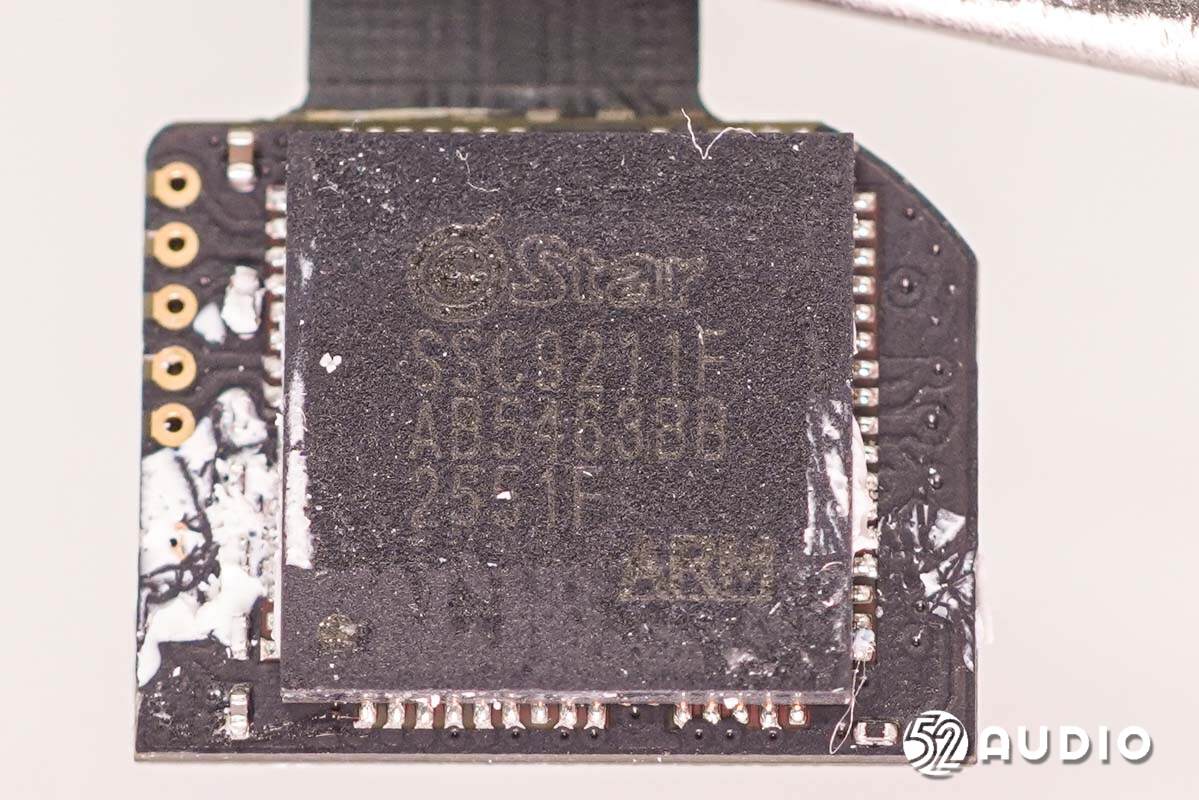
The SigmaStar SSC9211F is a highly integrated vision processing SoC featuring a dual-core ARM Cortex-A7 CPU, an in-house ISP image signal processor, JPEG encoder, and memory. It also integrates an audio ADC/DAC, USB 2.0, MIPI sensor interface, and other functions.
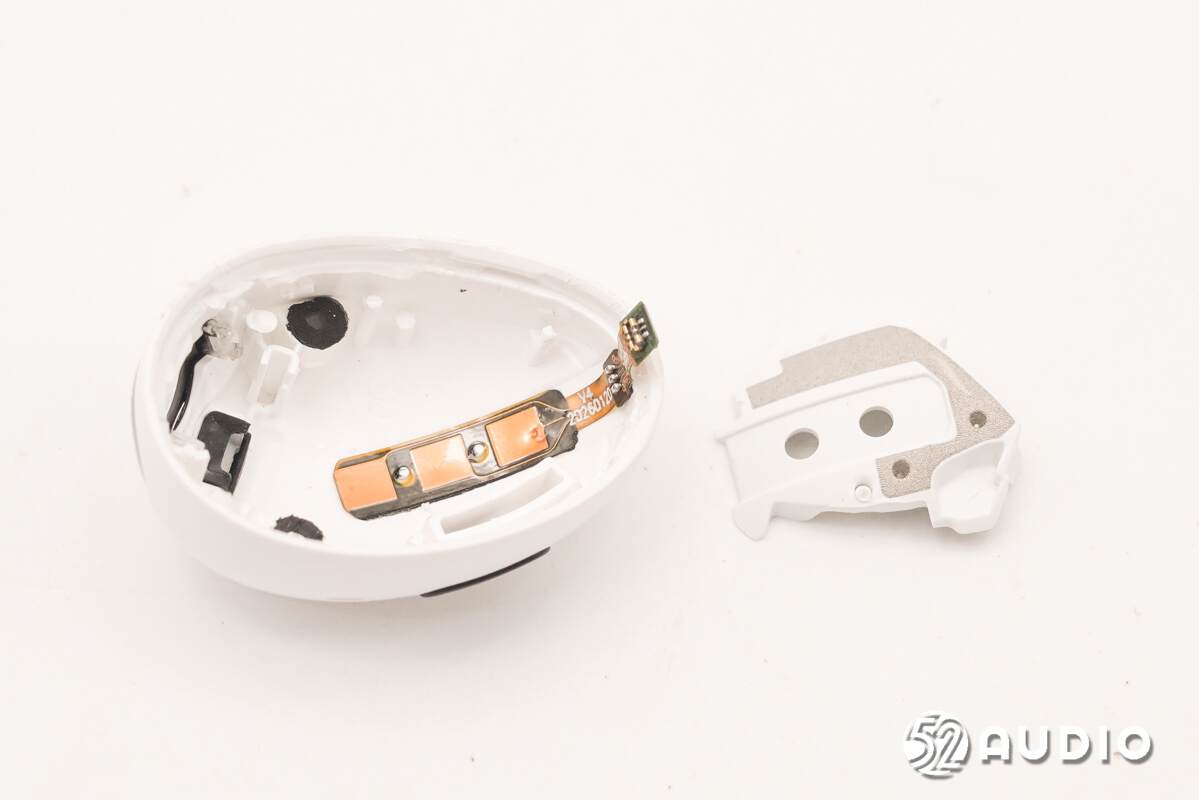
Remove the bracket inside the chamber.
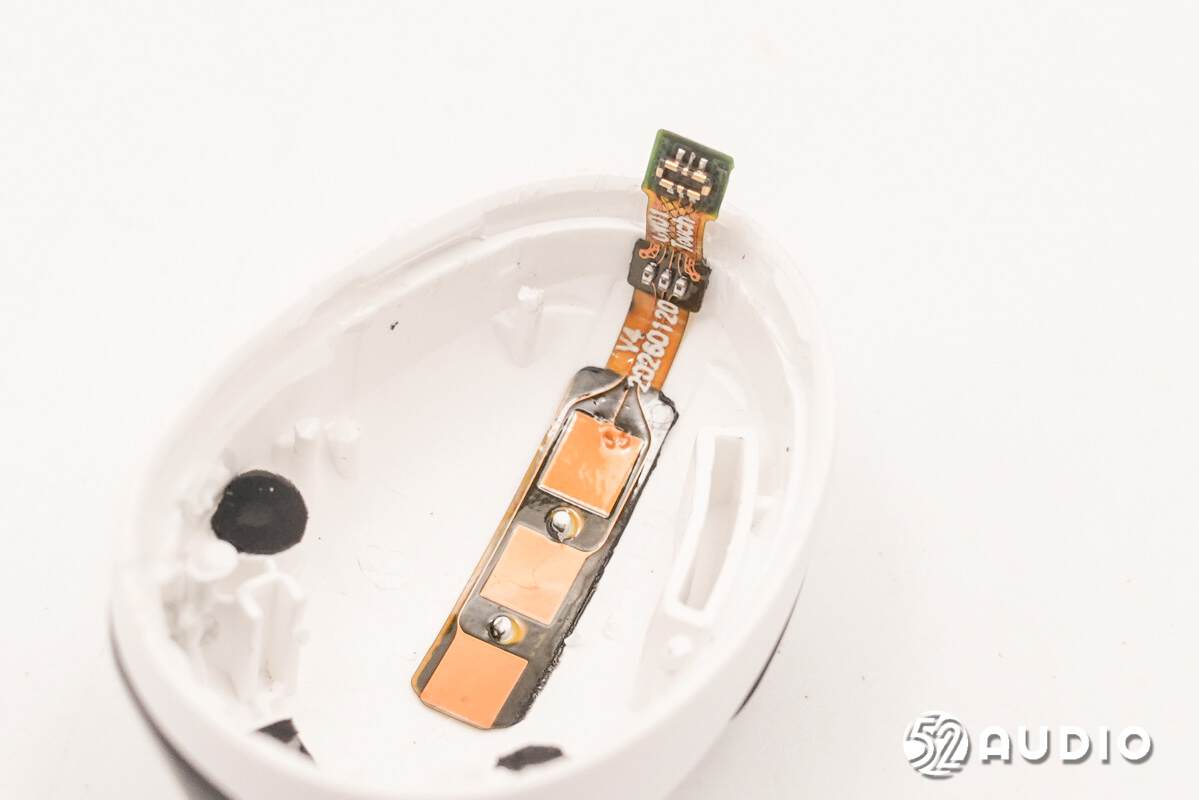
The capacitive touch detection sensor.
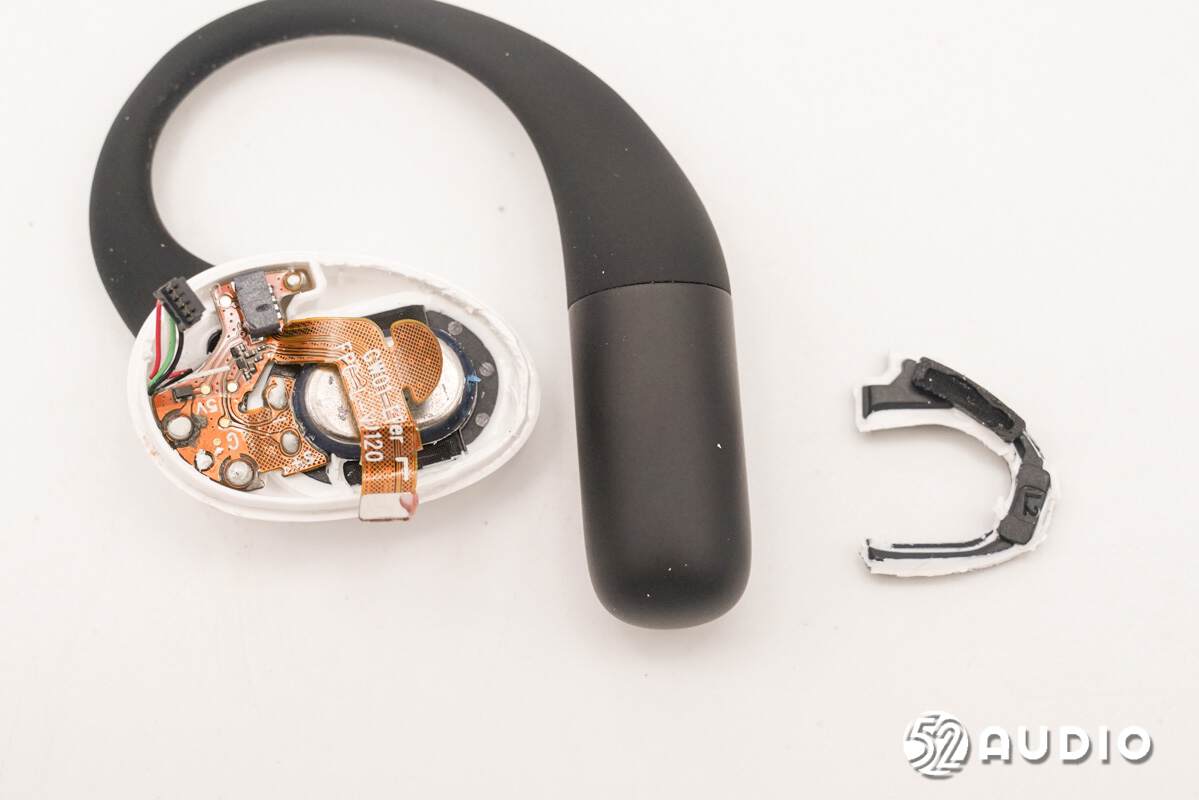
Remove the acoustic structure cover over the speaker.
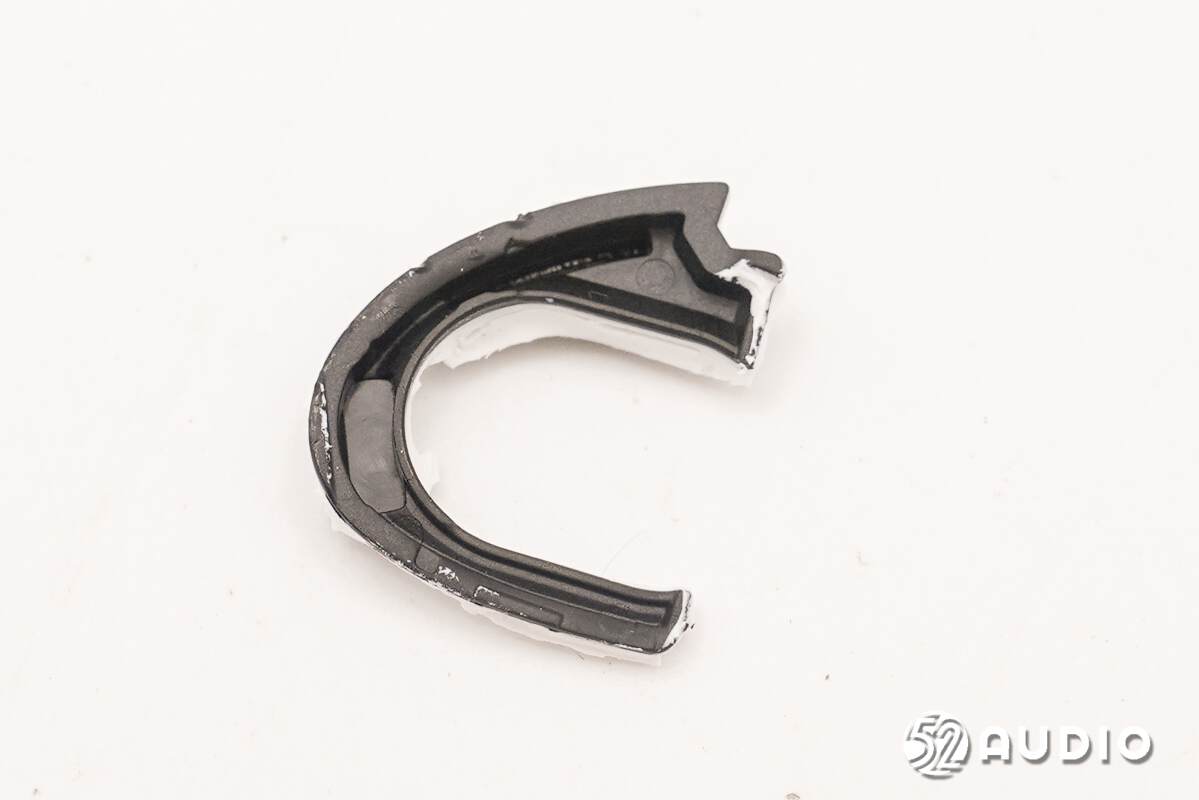
An air channel on the inner side of the cover connects to the tuning vent on the housing to improve audio performance.
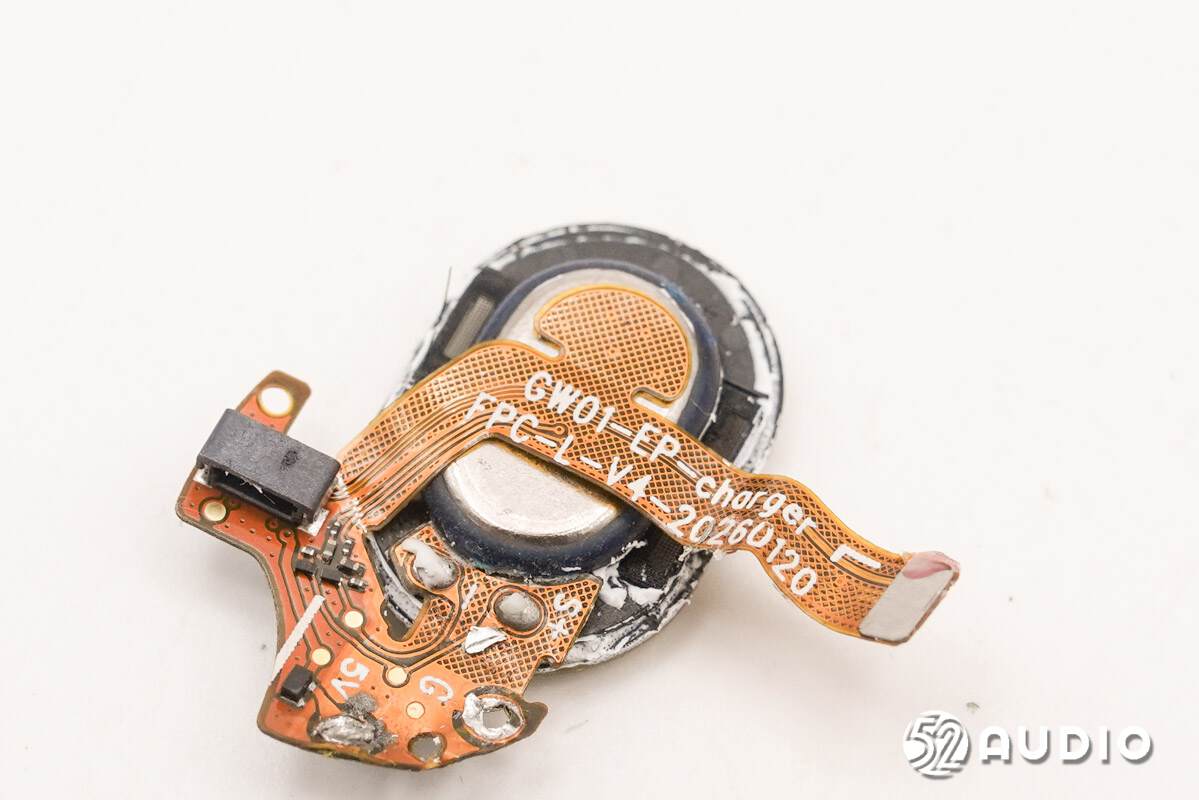
Remove the speaker and ribbon cable.
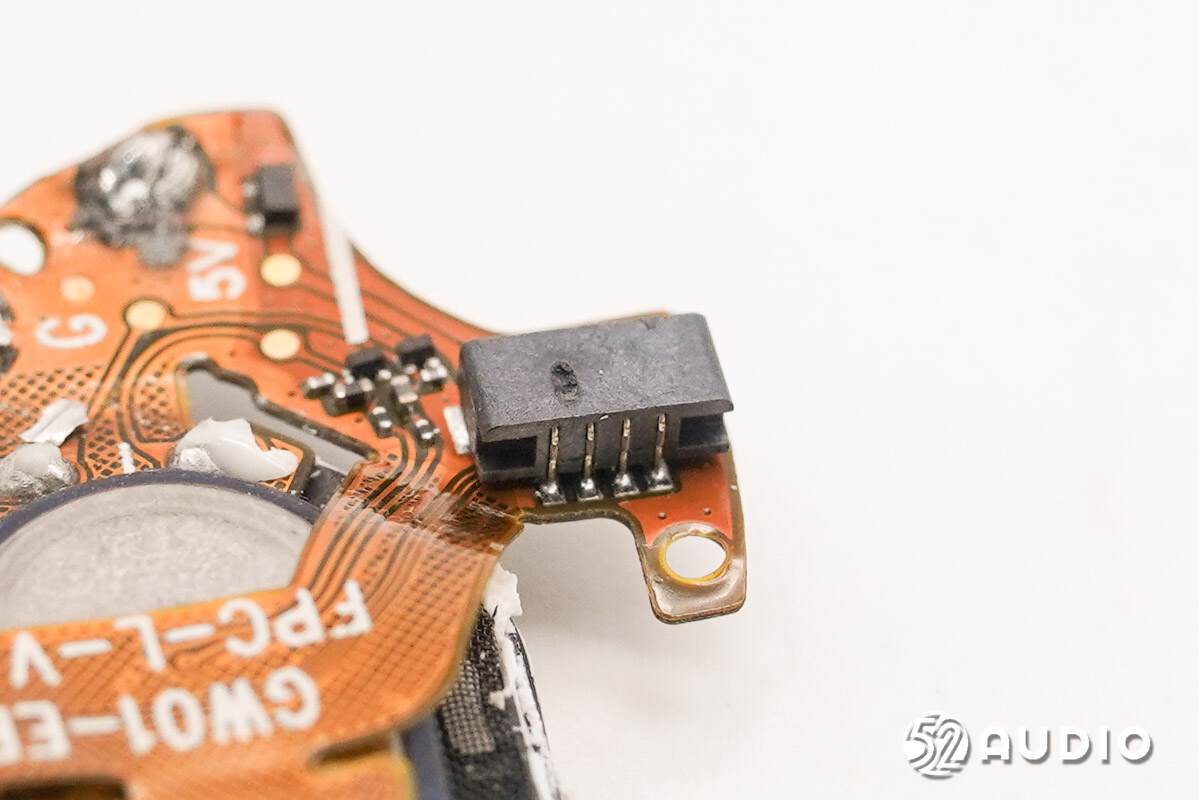
The socket connecting the ribbon cable to the battery wires inside the ear hook.
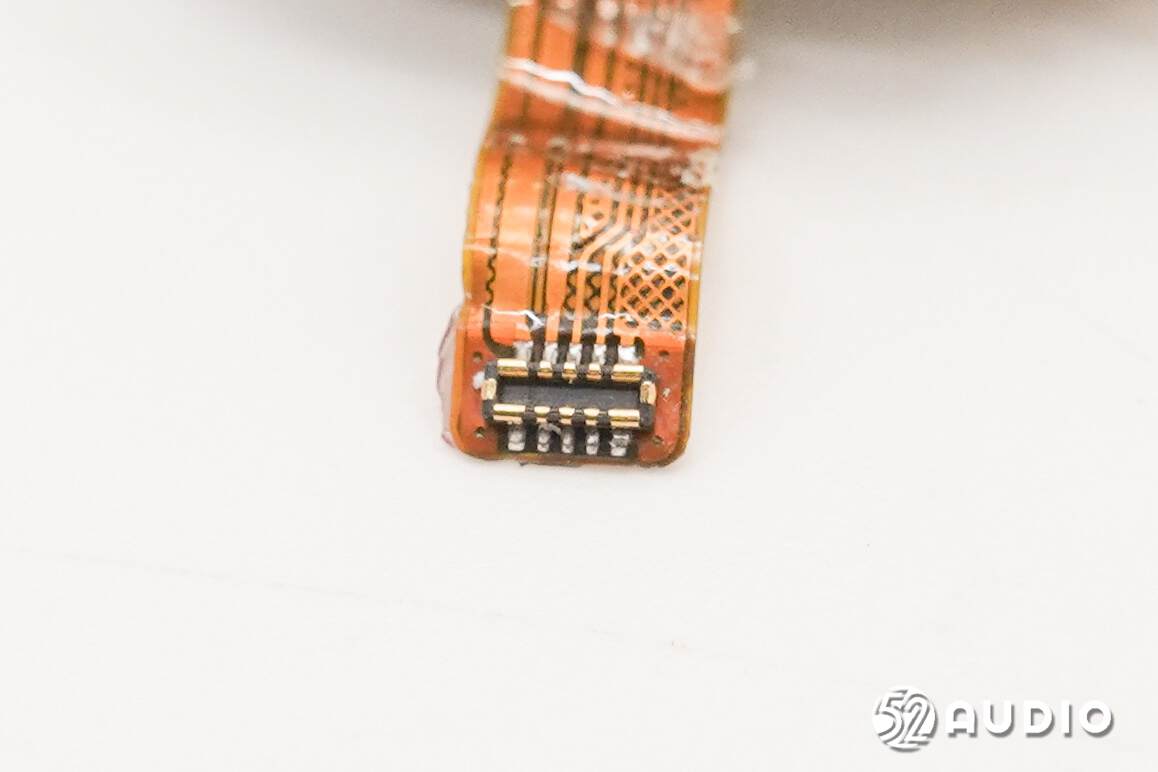
The male BTB connector connecting the ribbon cable to the mainboard.
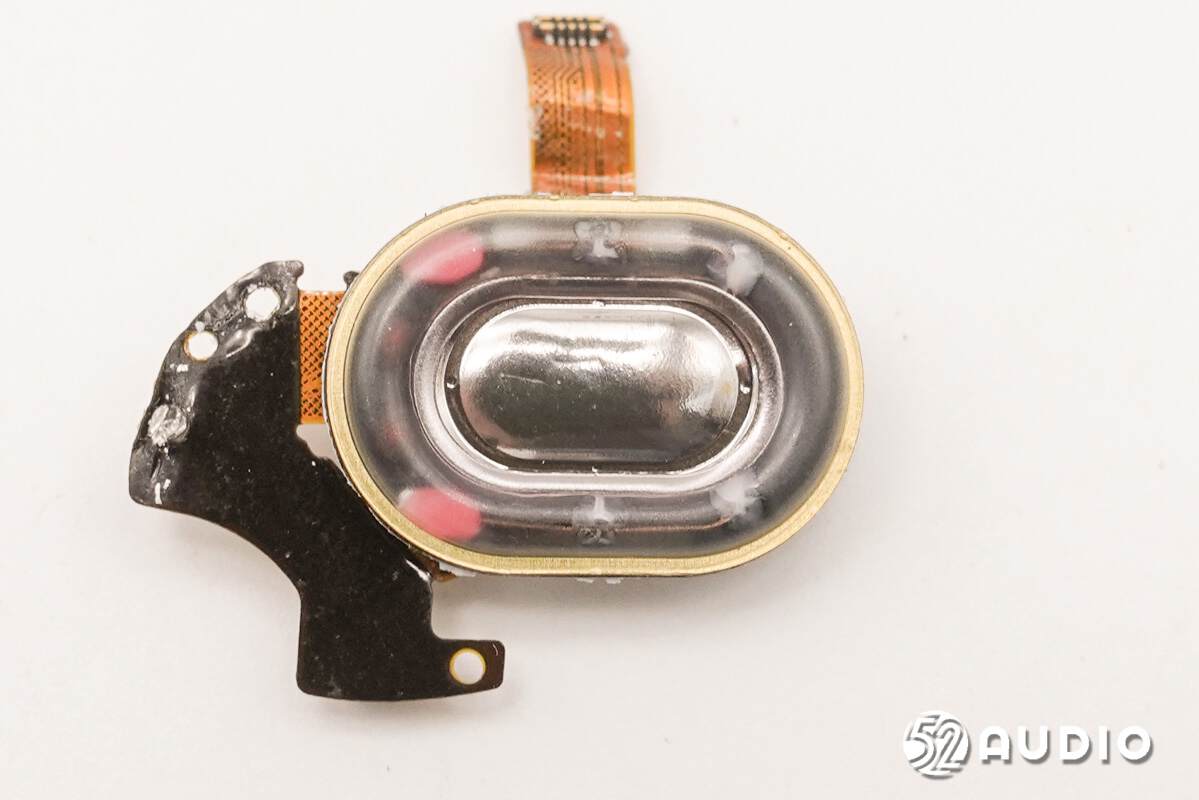
The front of the earbud speaker. It uses a racetrack-shaped driver with a titanium-coated composite diaphragm.
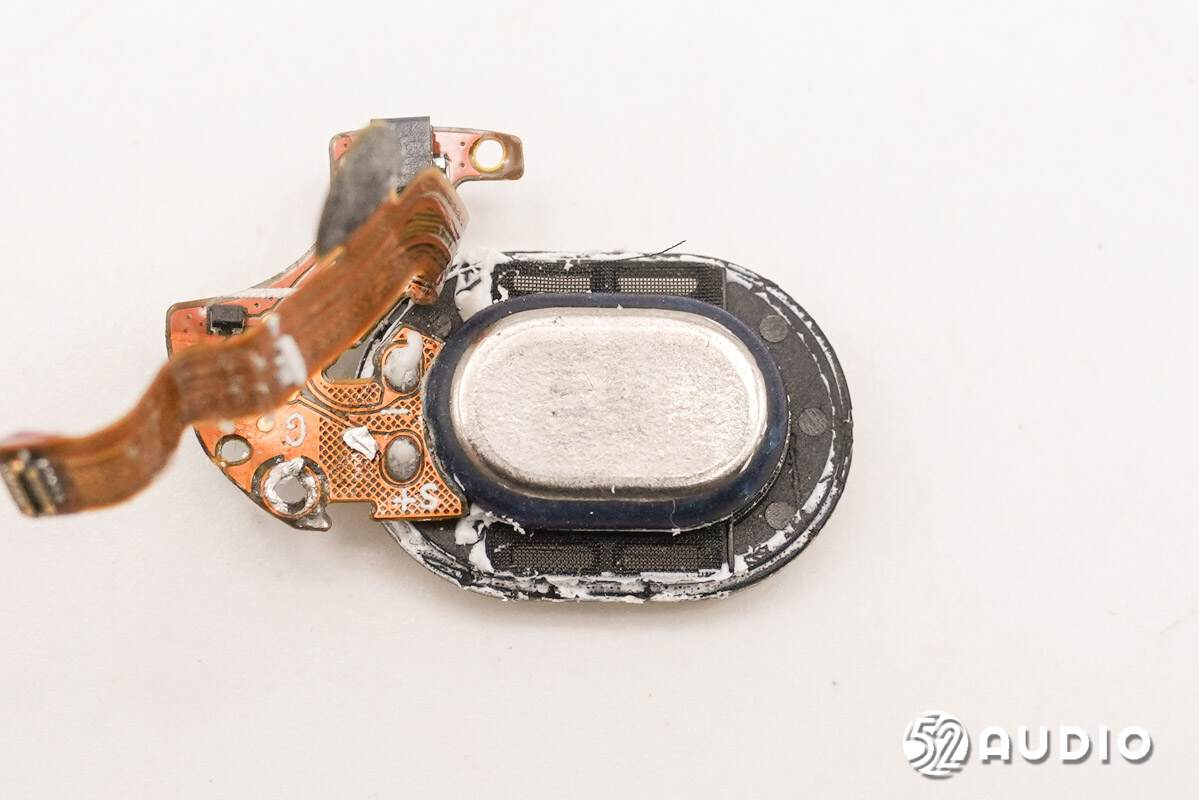
The back of the speaker. Tuning vents are arranged around its perimeter and protected by mesh.
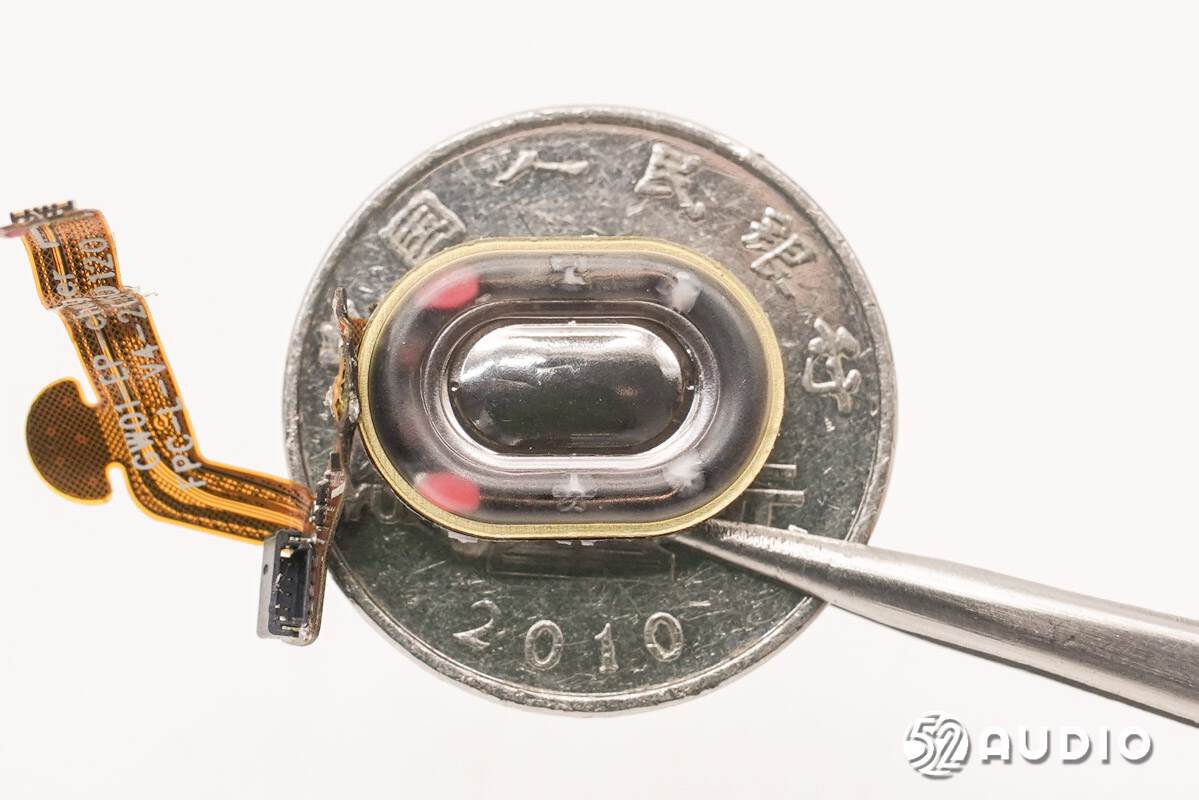
A size comparison between the speaker and a one-yuan coin.
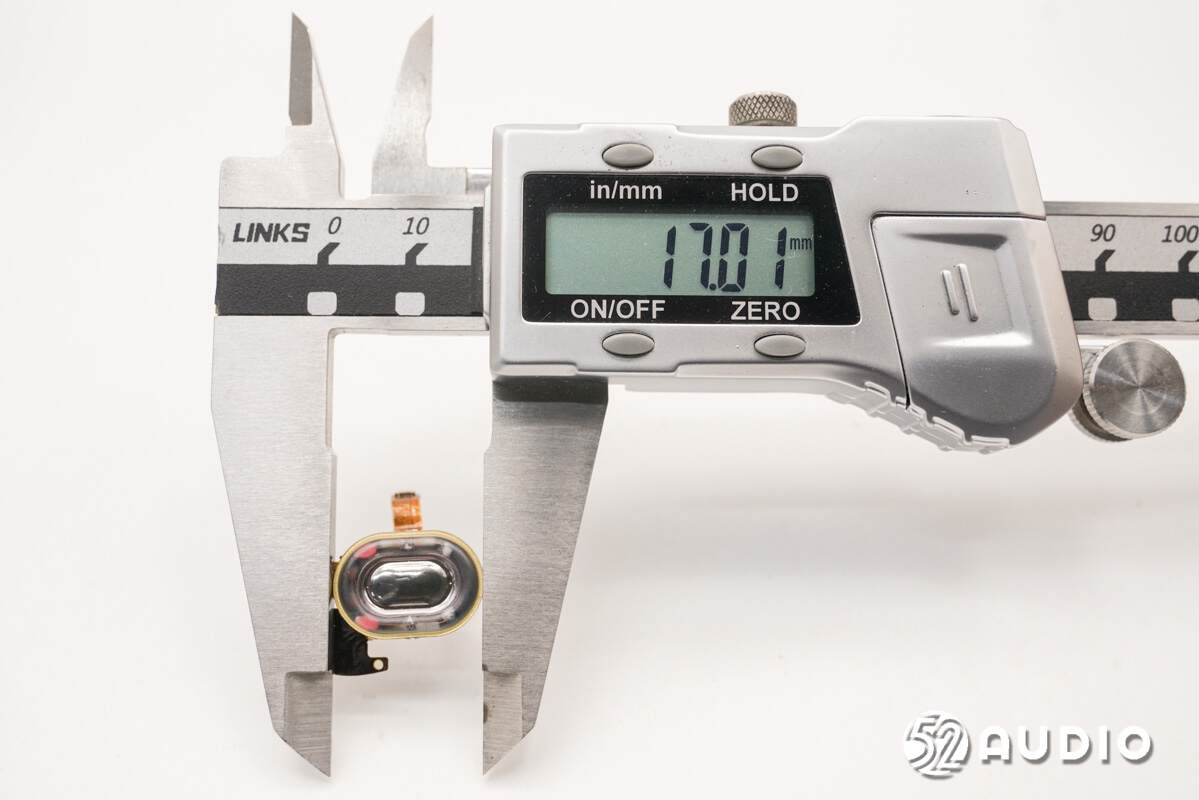
According to measurements by 52 AUDIO, the speaker's major diameter is approximately 17 mm (0.669 inches).
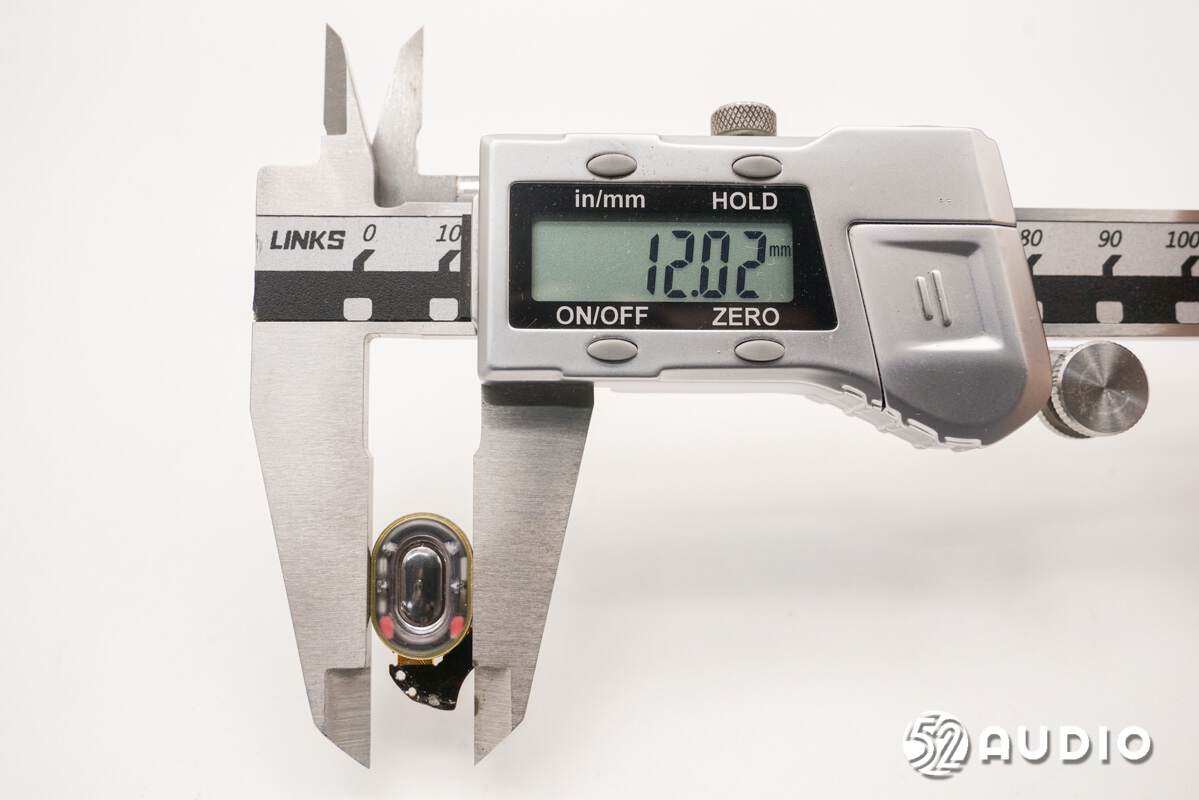
The speaker's minor diameter is approximately 12 mm (0.472 inches).
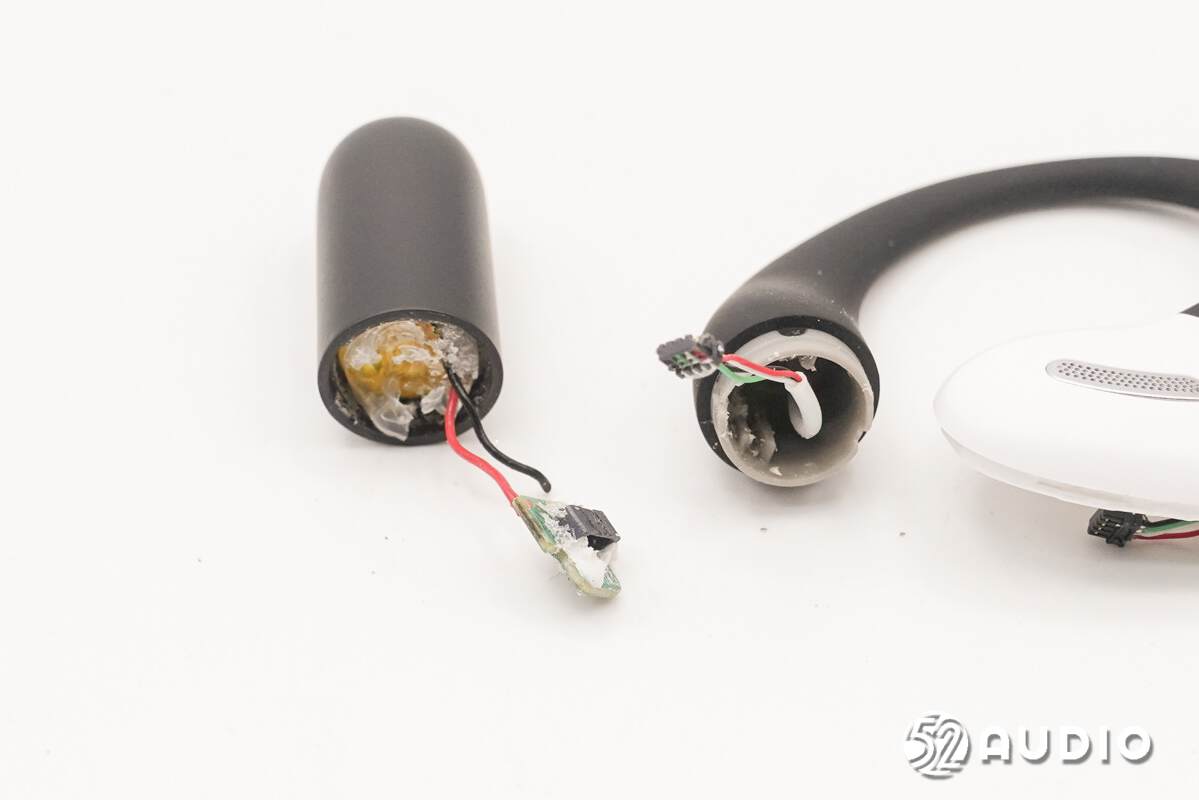
Open the battery compartment at the end of the ear hook.
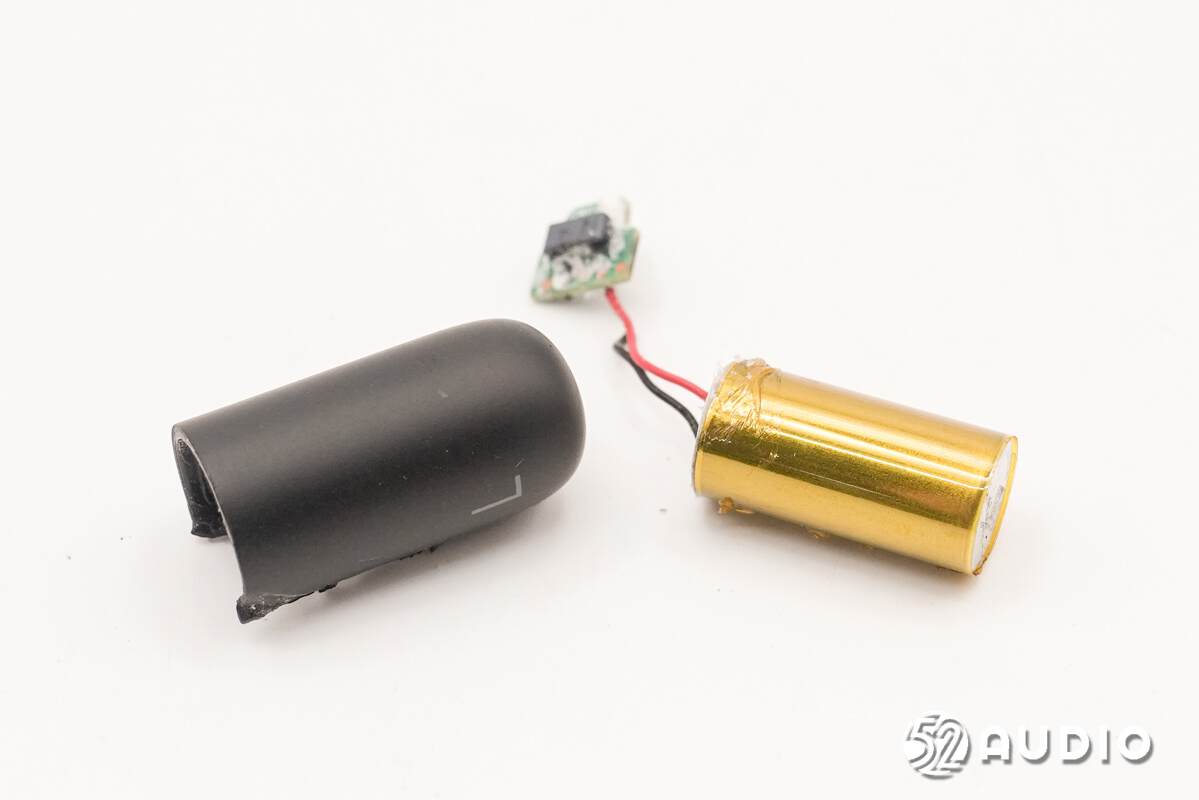
Remove the battery. The earbud uses a cylindrical steel-cased battery.
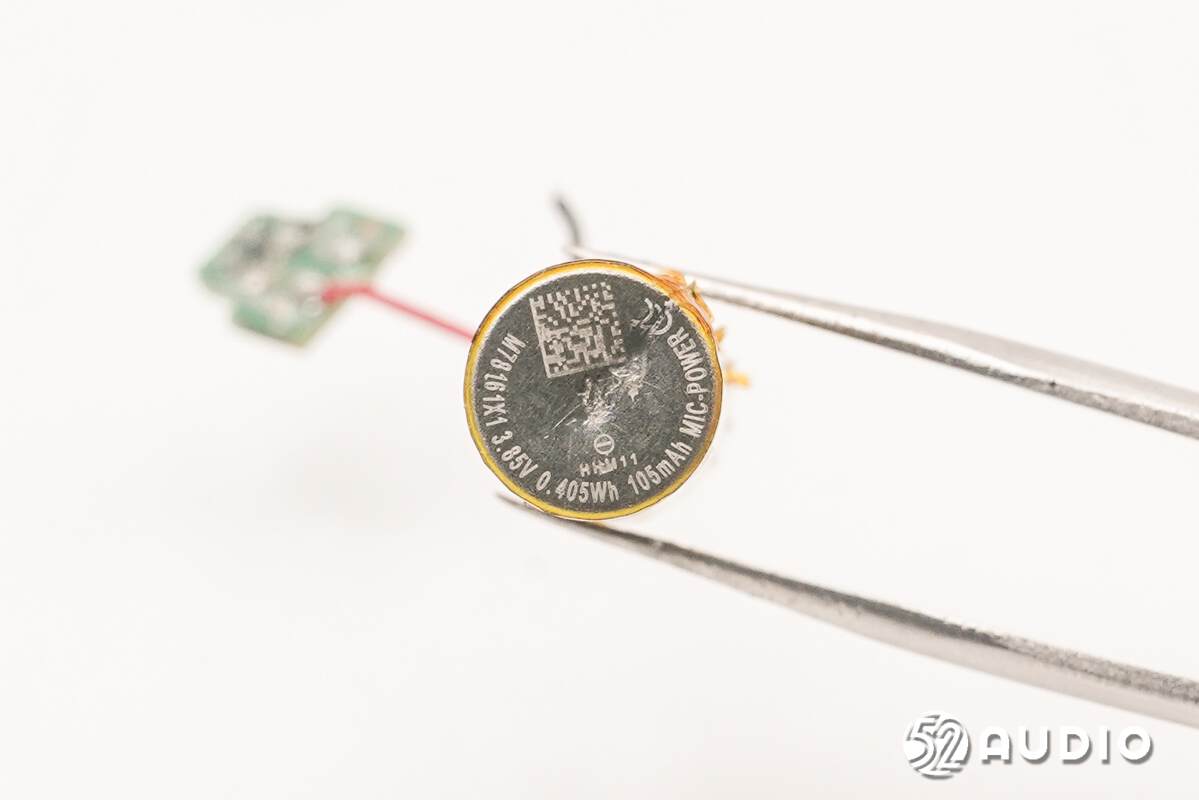
Product specifications are engraved on one end of the battery.
Model: M78161X1;
Nominal Voltage: 3.85 V;
Rated Capacity: 105 mAh / 0.405 Wh;
Manufacturer: MIC-POWER.
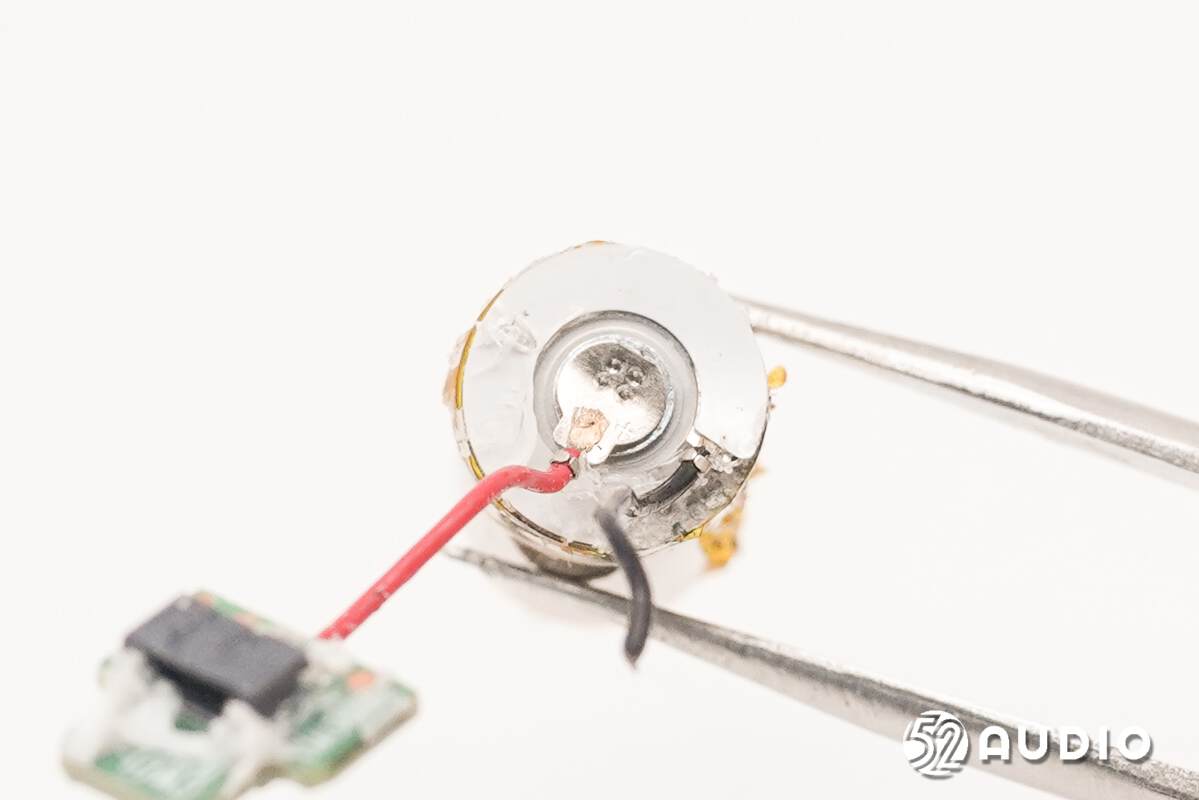
The other end of the battery.
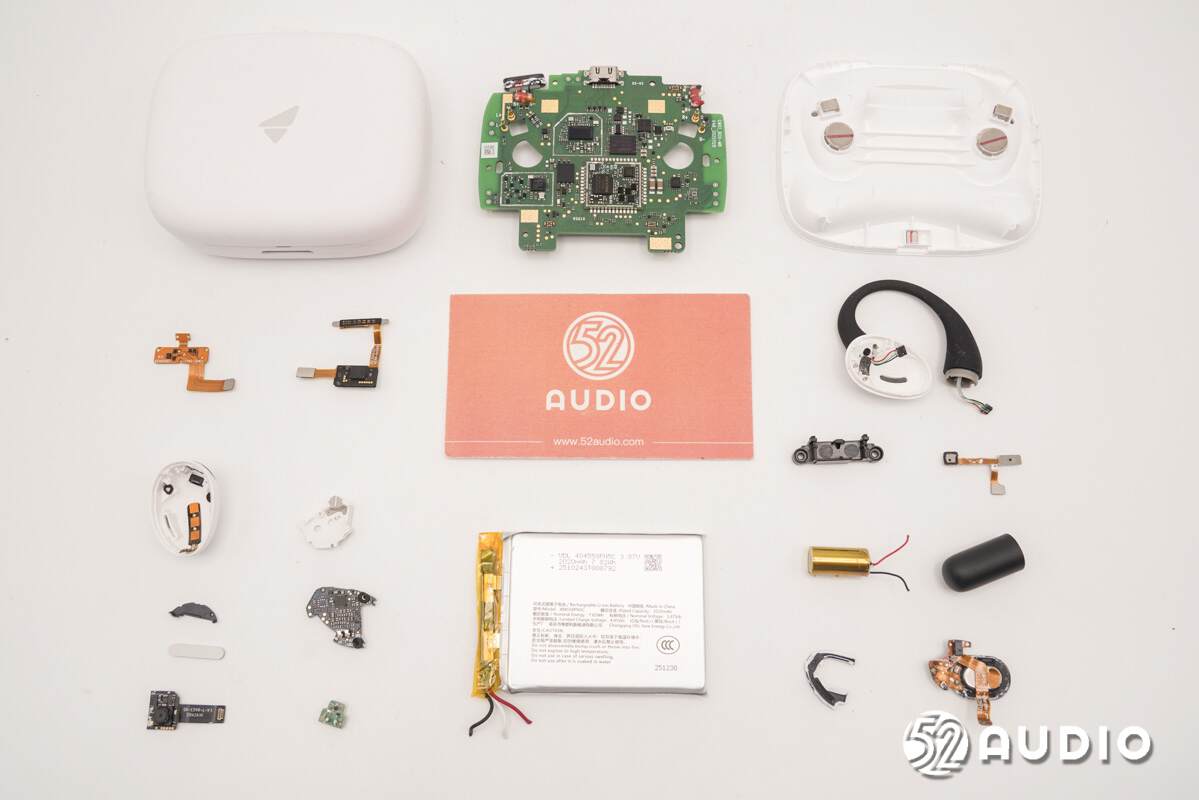
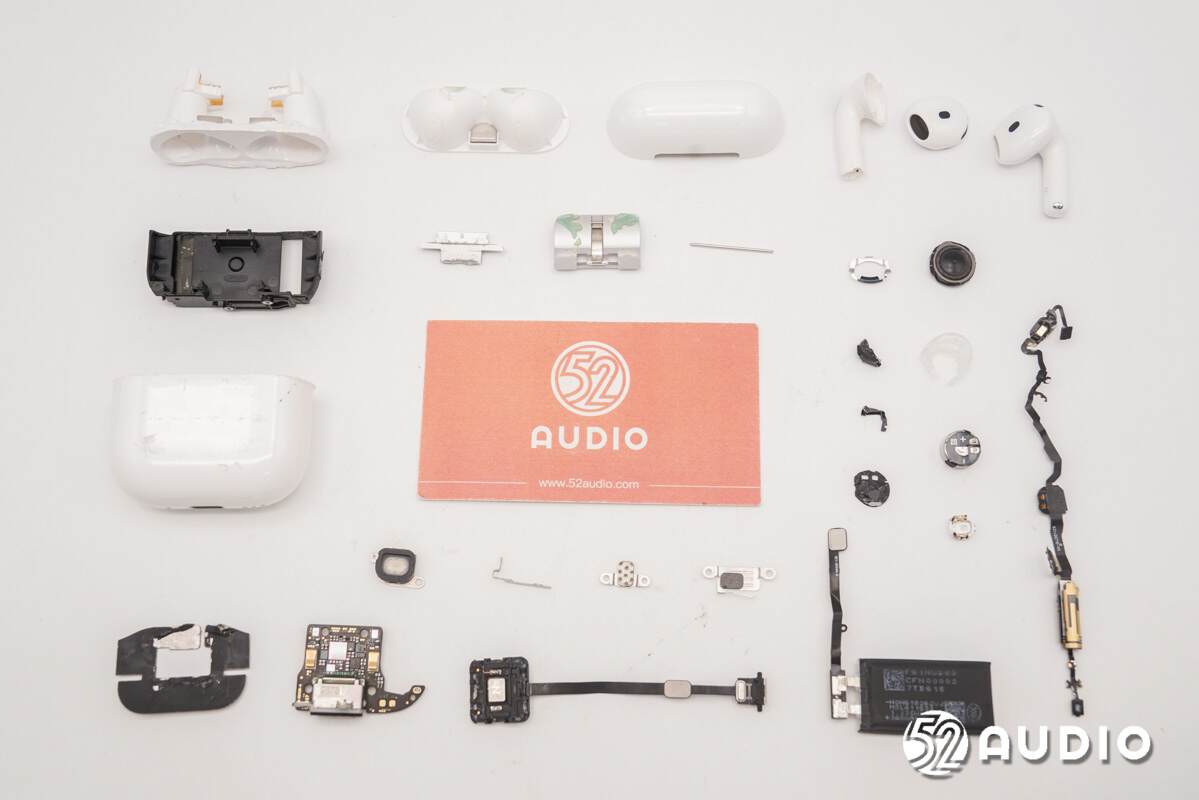
All the components from the teardown of the Lightware AI Earbuds are shown above.
Summary of 52 AUDIO
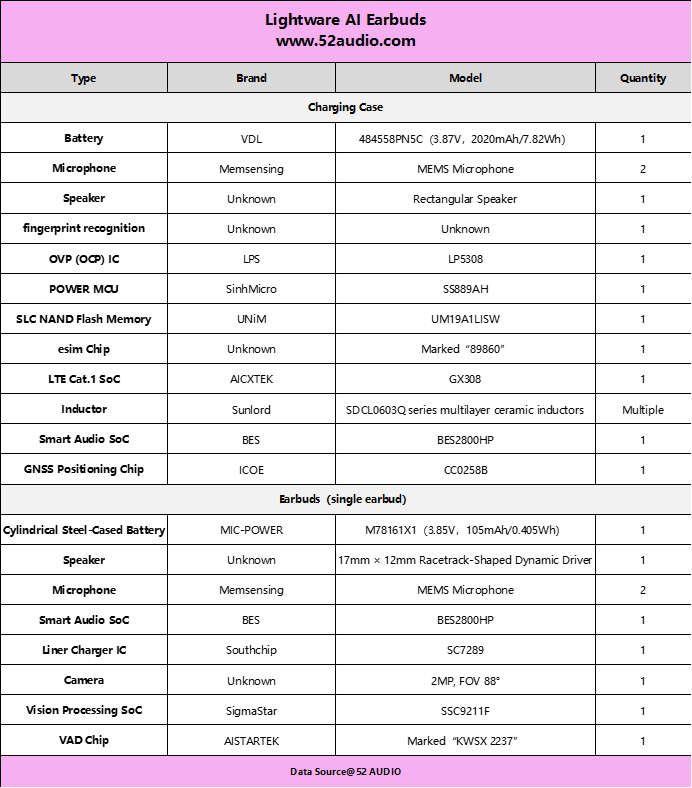
Finally, here is a list of the known components used in the Lightware AI Earbuds for reference.
In terms of appearance, the Lightware AI Earbuds are based on an open-ear ear-hook design. The charging case has a rounded rectangular shape and a moderate size, making it convenient to carry. The ear-hook earbuds feature rounded acoustic chambers that are larger than those of conventional earbuds, but they retain the long-term wearing comfort associated with this category, providing a foundation for all-day AI companionship.
Regarding the main internal components, the charging case houses a 3.87 V, 2020 mAh lithium battery from VDL New Energy. It uses the SinhMicro SS889AH POWER MCU to manage charging and discharging of the built-in battery, along with the LPS LP5308 overvoltage and overcurrent protection IC to protect downstream circuitry.
The charging case integrates a rectangular speaker and two MEMS microphones from MEMSensing. The BES BES2800HP smart audio SoC handles communication with the earbuds, while the AICXTEK GX308 LTE Cat.1 SoC enables independent internet connectivity and cloud interaction. The RF circuitry uses numerous Sunlord SDCL0603Q series multilayer ceramic inductors. Other components include the ICOE CC0258B GNSS positioning chip.
Each earbud features a 2 MP camera, a 3.85 V, 105 mAh cylindrical steel-cased battery from MIC-POWER, a 17 mm × 12 mm (0.669 × 0.472 inches) racetrack-shaped dynamic driver, and two MEMS microphones from MEMSensing. Other components include the BES BES2800HP smart audio SoC, SigmaStar SSC9211F vision processing SoC, a VAD chip from Zhixinke, and the Southchip SC7289 linear charging IC.